
Travel Guide
Zimbabwe
Victoria Falls | Hwange | Mana Pools
Matobo Hills | Great Zimbabwe
Wonders · Wildlife · Heritage · Where to Stay, Eat & Explore
Welcome to Zimbabwe
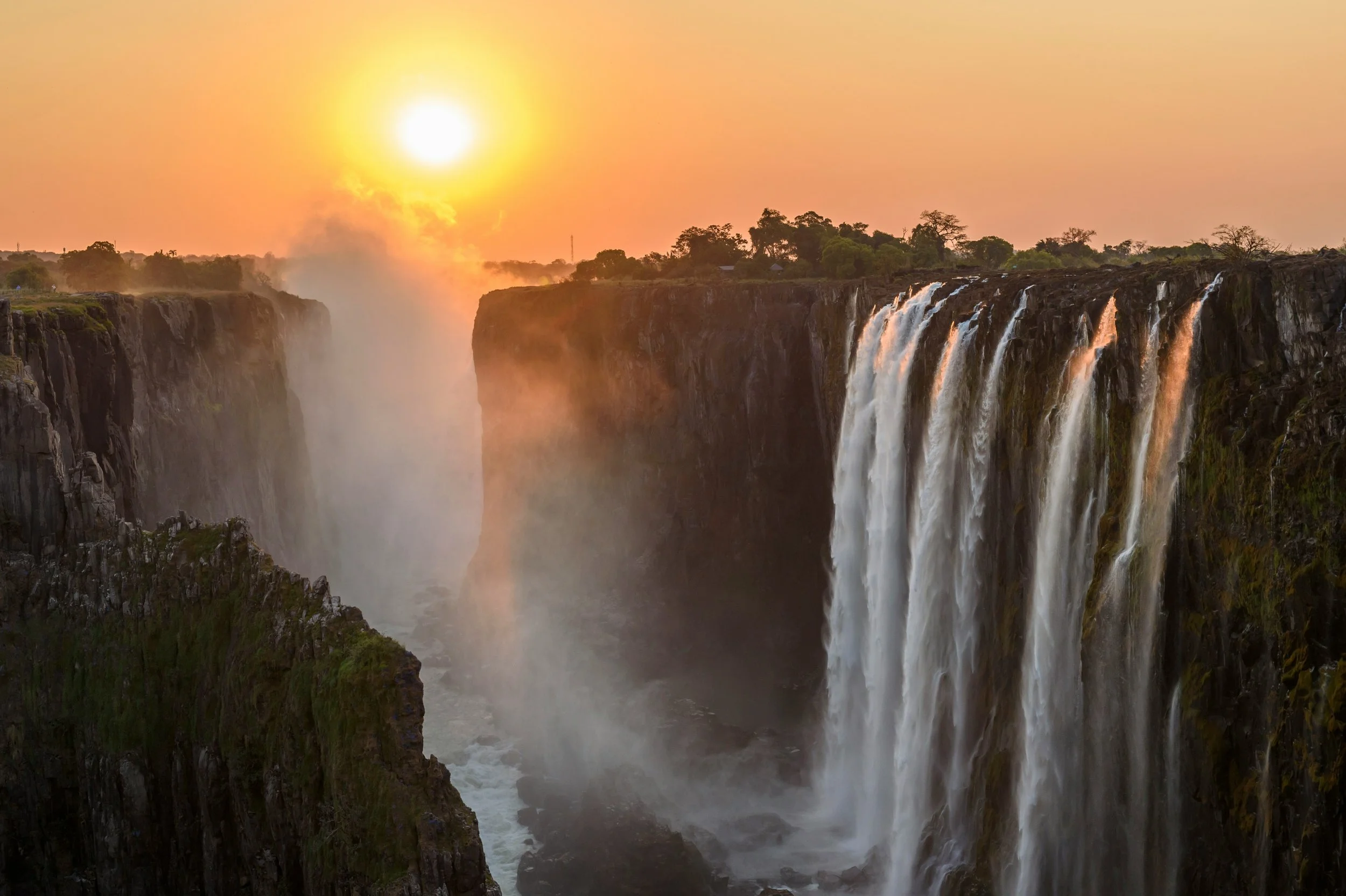
Zimbabwe gives you the grandest view of Victoria Falls — most of the falls' width faces the Zimbabwe side, along a rainforest path of 16 viewpoints — and some of the most highly trained guides on the continent. It is a country of extraordinary natural beauty and great-value safaris, with a warmth and resilience that visitors never forget.
This guide covers five distinct experiences: Victoria Falls, one of the Seven Natural Wonders of the World; Hwange, Zimbabwe's great elephant park; the wild, walkable floodplains of Mana Pools; the granite domes, rock art and rhinos of the Matobo Hills; and the ancient stone city of Great Zimbabwe, which gave the country its name.
Best Time to Visit
- May – August (Cool Dry): Clear, mild days and cold mornings. Excellent game viewing as the bush thins.
- September – October (Hot Dry): Peak game viewing in Hwange and Mana Pools as wildlife concentrates around water. Very hot.
- November – April (Rainy Season): Green, lush and quiet, with newborn animals, migrant birds and lower rates. Mana Pools is largely closed during the rains.
- Victoria Falls: Peak flow roughly March–May (huge spray); lowest flow October–December, when white-water rafting is at its best.
- Zimbabwe's guides undergo one of the most demanding training programmes in Africa — walking safaris here are world-class.
- Victoria Falls town is small, safe and walkable, and it is easy to add the Zambian side or a day trip to Botswana's Chobe.
- Mana Pools is best from about June to November; access roads can become impassable in the rains.
- Pack neutral clothing, a warm fleece for winter mornings, and a raincoat (or plan to get wet) at the falls.
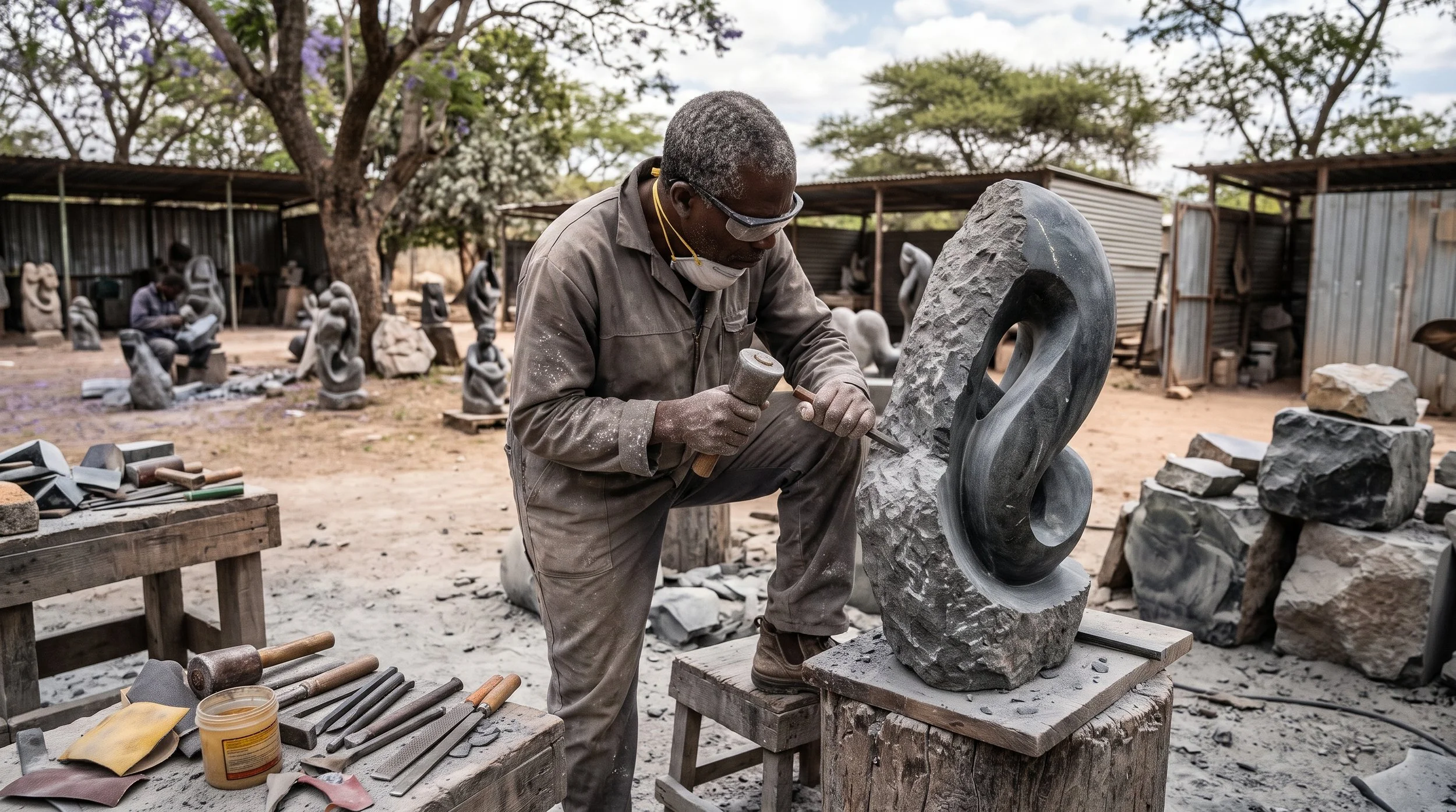
Zimbabwean stone sculpture — carved from local serpentine and springstone — is celebrated in galleries around the world
Culture & Character
Zimbabwe's name comes from dzimba dza mabwe — 'houses of stone' in Shona — a tribute to Great Zimbabwe, the medieval city whose builders created vast walls of granite without mortar. Shona and Ndebele are the two largest cultures, and English is widely spoken. Zimbabweans are famously warm, well-educated and quick to share a laugh.
Art and music are woven into national life. Look for Shona stone sculpture, intricate baskets, and the hypnotic sound of the mbira (thumb piano), an instrument central to Shona spiritual ceremonies and recognised by UNESCO.
Food & Drink — What to Know
Zimbabwean food is hearty and comforting. Sadza (a thick maize-meal staple) is served with nyama (stewed or grilled meat), leafy greens and dovi (peanut-butter stew). Try kapenta (small dried fish from Lake Kariba), and — if you are adventurous — crunchy mopane worms. In Victoria Falls, game meats such as kudu and warthog appear on many menus. Zimbabwe also produces excellent tea and coffee from the Eastern Highlands; Zambezi Lager is the classic sundowner.
Planning Your Zimbabwe Safari: What You Need to Know
Guiding: Zimbabwe's professional guides train for years before they can lead walking safaris — and it shows. If you love walking, Mana Pools and Hwange are among the best places in Africa to do it.
Getting around: Victoria Falls Airport is the main gateway. Road transfers reach Hwange in about two hours; light-aircraft charters connect Hwange, Mana Pools, Matobo and Lake Kariba.
Combining countries: The KAZA UniVisa makes it easy to see both sides of Victoria Falls and add a day trip to Botswana's Chobe National Park.
Seasons and camps: Some remote camps — especially in Mana Pools — operate only in the dry season, so dates shape your options. I am happy to match camps to your timing, style and budget.
The Smoke That Thunders — The Grandest View of the Falls
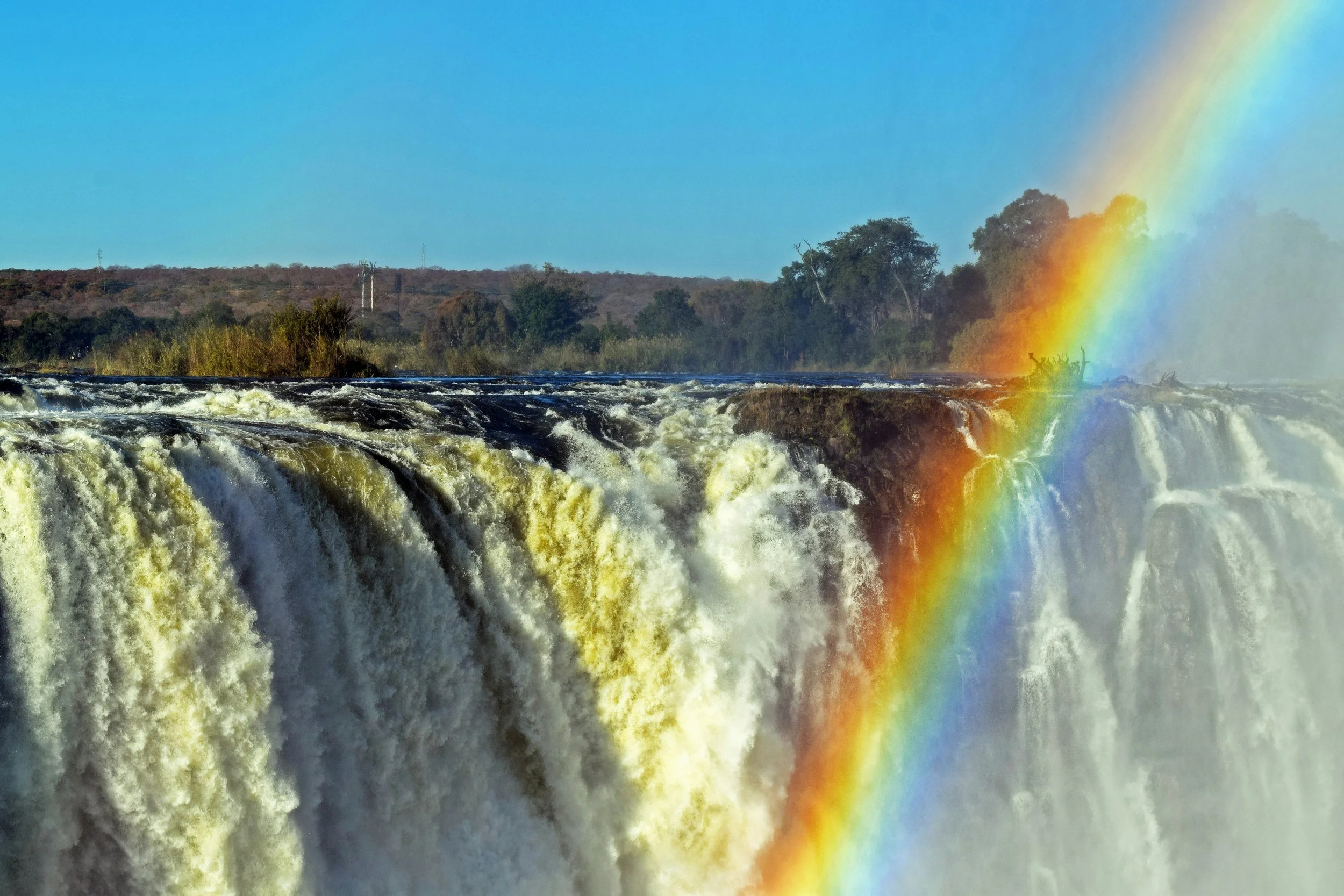
Rainbows form almost constantly in the spray of Victoria Falls — and at full moon, a rare 'moonbow' can appear
Culture & Vibes
The rainforest trail on the Zimbabwe side follows the edge of the gorge past 16 viewpoints, revealing the falls panel by panel — from the Devil's Cataract to the Main Falls and Danger Point. For the full scale, take the 'Flight of Angels' helicopter ride, named after Livingstone's famous description.
Victoria Falls town is small, safe and full of character. Take a sunset cruise on the upper Zambezi among hippos and elephants, tour the historic Victoria Falls Bridge, try white-water rafting in the gorges (best at low water), or watch the dramatic vulture feeding at Victoria Falls Safari Lodge.
Food
Must Try: High tea on Stanley's Terrace at the Victoria Falls Hotel, with views of the bridge and spray; a festive dinner with drumming and traditional dishes at The Boma; and lunch at The Lookout Café, perched on the edge of the Batoka Gorge.
Experience Snapshot
Elephant Country — Zimbabwe's Great Safari Park
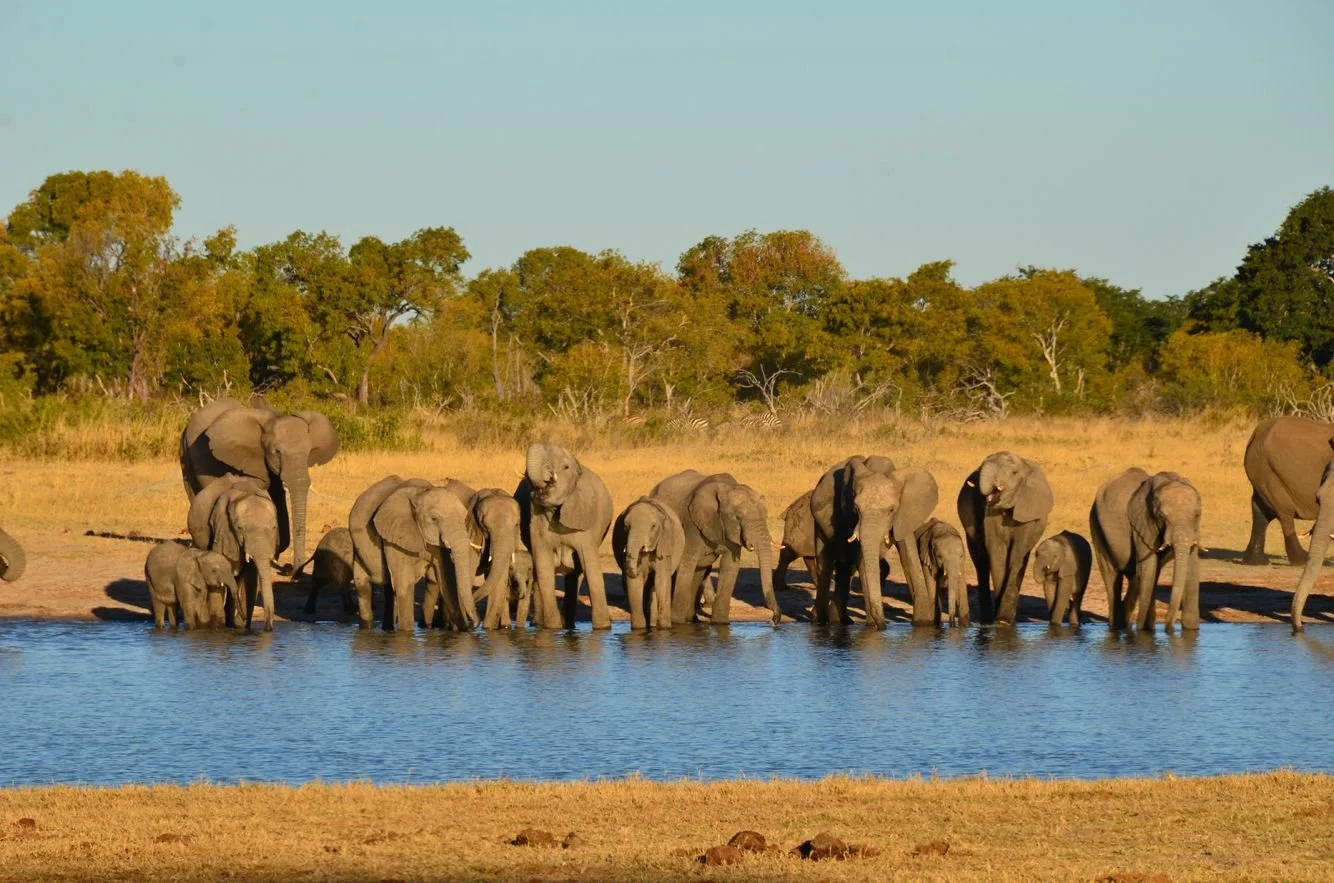
Hwange is home to one of the largest elephant populations in Africa
Culture & Vibes
Hwange covers about 14,600 square kilometres of Kalahari sand, teak forest and open grassland. In the dry season, tens of thousands of elephants gather at its pumped waterholes, creating some of the most spectacular elephant viewing in Africa. Lions, leopards, cheetahs, painted wolves (African wild dogs), buffalo and sable antelope are all here.
Many camps have hides at water level — sitting in silence as elephants drink just metres away is unforgettable. Near the park's main gate, the Painted Dog Conservation centre offers a fascinating look at efforts to protect one of Africa's most endangered predators.
Food
Camp dining is warm and generous — bush brunches between game drives, sundowners at a waterhole, and dinners around the fire.
Experience Snapshot
Walking With Giants on the Zambezi Floodplain
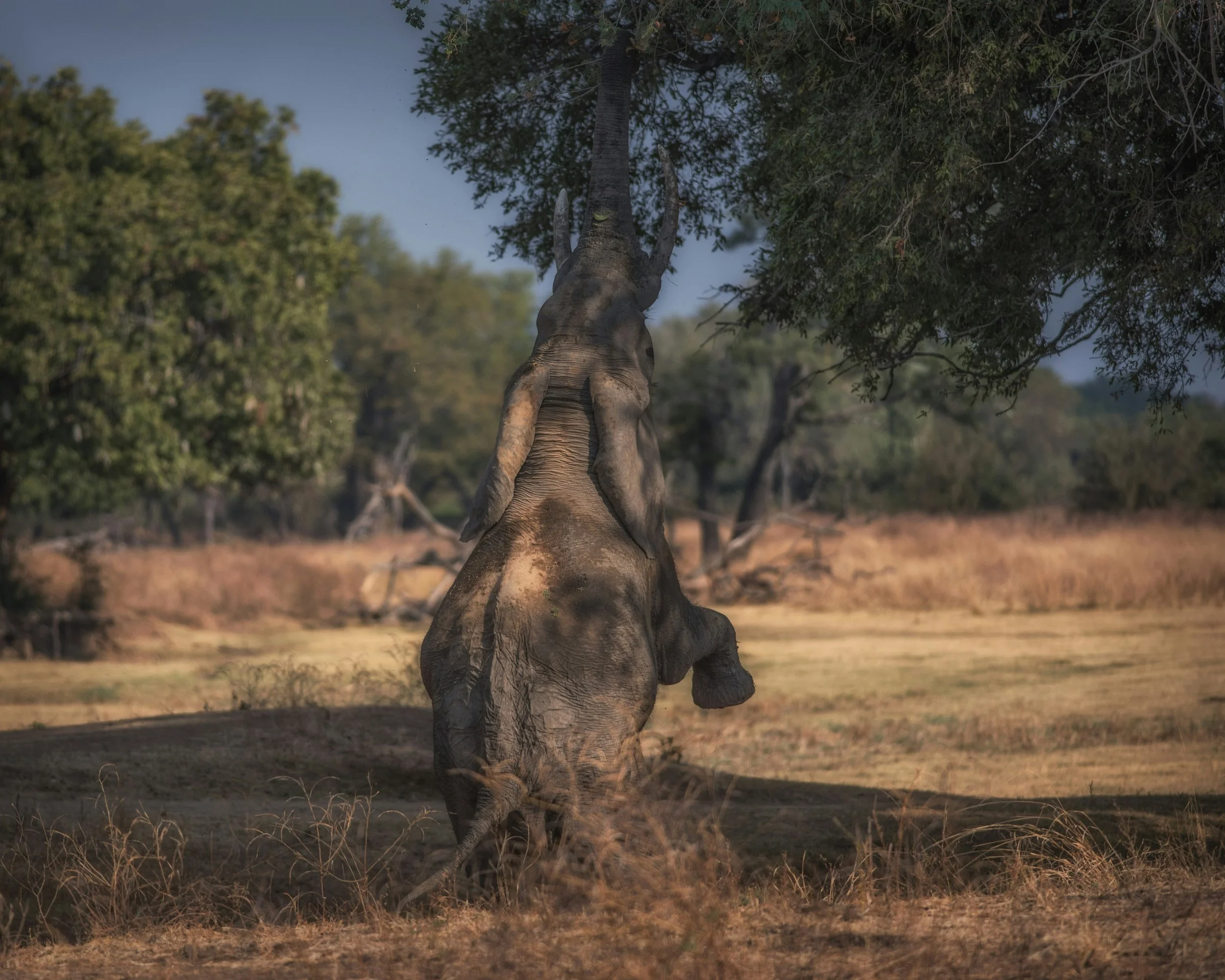
Mana Pools is famous for elephants that stand on their hind legs to reach the highest acacia pods
Culture & Vibes
Mana Pools takes its name from the four large pools left behind by the Zambezi's changing course ('mana' means 'four' in Shona). Its floodplains of towering winterthorn and mahogany trees, with the Zambian escarpment on the horizon, create one of the most beautiful settings in Africa.
Mana is one of the few parks where walking unescorted on the floodplain was historically allowed, and today it offers some of the continent's finest guided walks. Canoe safaris along the Zambezi channels, sightings of painted wolves, and elephants standing on their hind legs to feed are all signature experiences.
Food
Camp dining with the river as your backdrop — breakfasts on the floodplain and dinners under a canopy of stars.
Experience Snapshot
Granite Kopjes, Ancient Rock Art & Rhinos on Foot
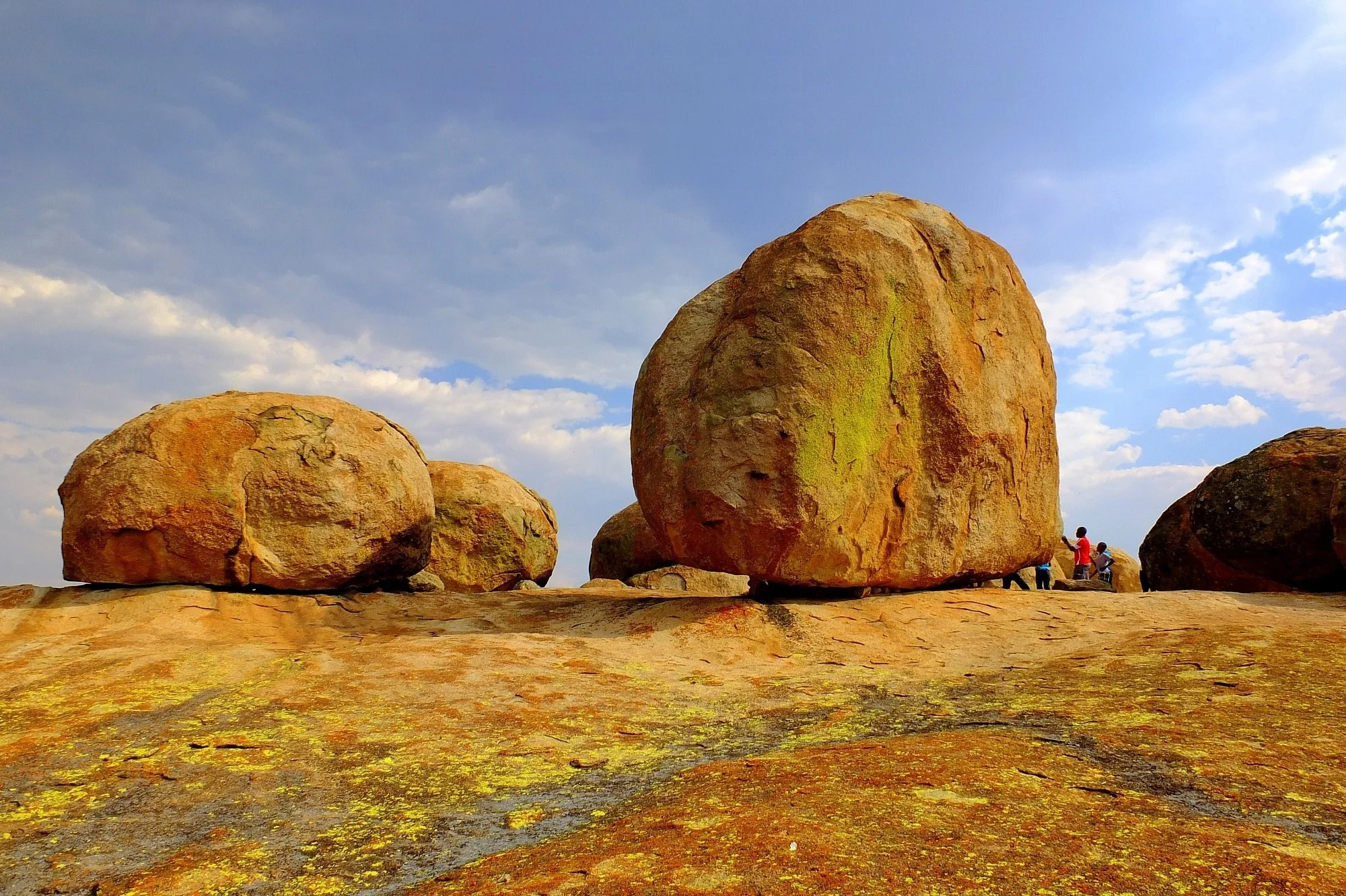
The balancing granite boulders of the Matobo Hills — a UNESCO World Heritage cultural landscape
Culture & Vibes
The Matobo Hills, south of Bulawayo, are a landscape of smooth granite domes and impossibly balanced boulders, considered sacred by local communities for centuries. Caves and overhangs shelter thousands of San rock paintings, some many thousands of years old — the Nswatugi Cave paintings are among the finest.
Matobo National Park protects both black and white rhinos, and tracking them on foot with expert guides is the highlight of any visit. Leopards are also common here, as are black eagles nesting on the cliffs.
Food
Sundowners on top of a granite dome as the hills turn gold, and hearty, home-style Zimbabwean dishes at your lodge.
Experience Snapshot
The Houses of Stone — A Medieval African Kingdom
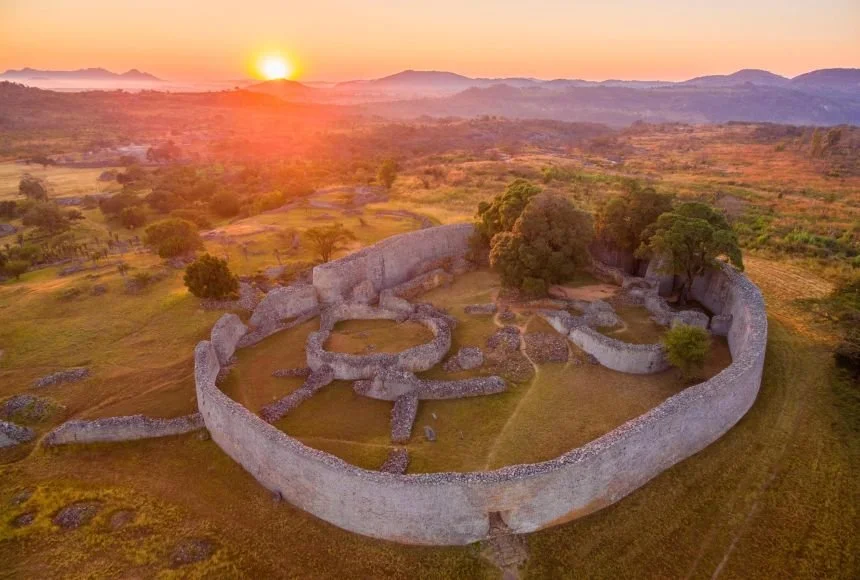
The Great Enclosure at Great Zimbabwe — the largest ancient stone structure in sub-Saharan Africa
Culture & Vibes
Great Zimbabwe was the capital of a wealthy kingdom that traded gold and ivory with the Indian Ocean coast, reaching as far as China and Persia. The Hill Complex sits atop a granite outcrop, while the Great Enclosure below is ringed by walls up to 11 metres high, built of granite blocks fitted together without mortar.
The carved soapstone Zimbabwe Birds found here are now the national emblem, featured on the country's flag. Pair a visit with nearby Lake Mutirikwi, a peaceful reservoir surrounded by hills.
Food
Simple lodge dining with views over the ancient walls — and plenty of time for stories with your guide.
Experience Snapshot
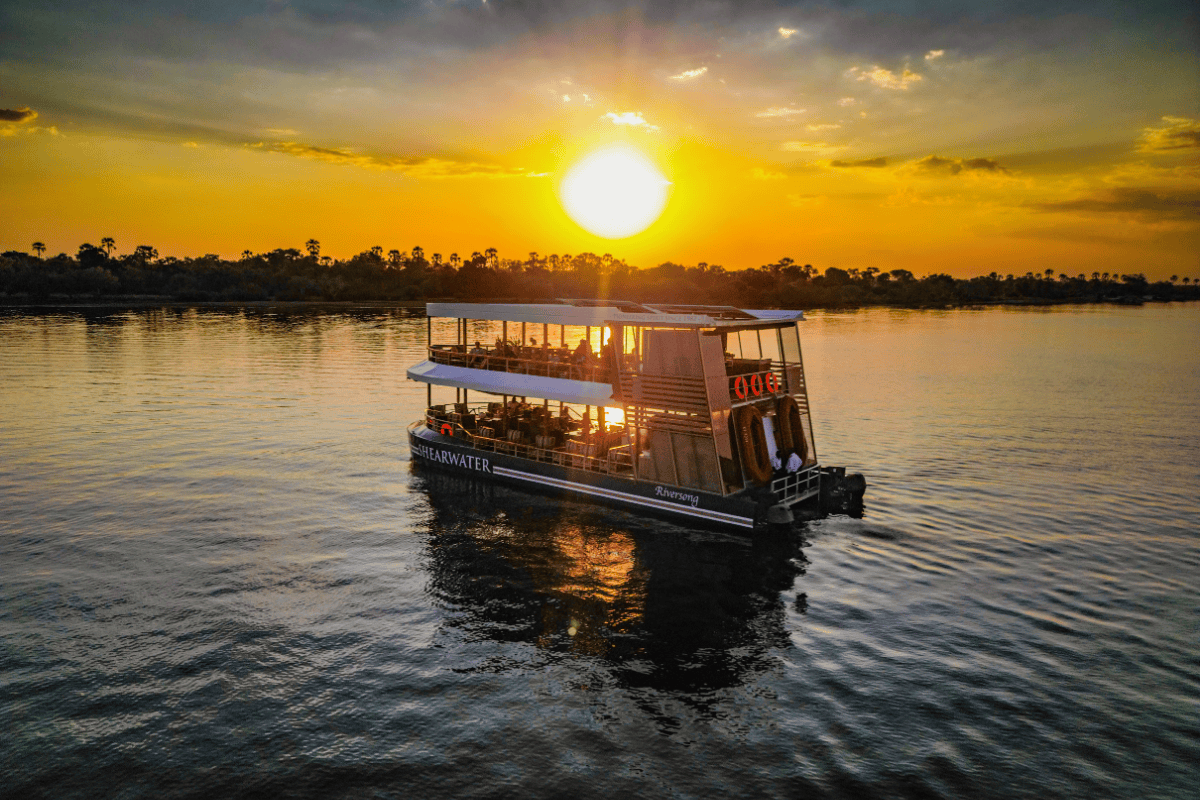
Sundowners on the Zambezi — Zimbabwe's favourite way to end the day
Getting There & Around
Flights: There are no nonstop flights from the US. Connect via Johannesburg (about 1 hour 40 minutes to Victoria Falls), Nairobi or Addis Ababa. Domestic travel: Hwange is about two hours from Victoria Falls by road; light-aircraft charters connect the parks. Crossing to Zambia's side of the falls is easy with the KAZA UniVisa.
Visas & Entry
US citizens can get a visa on arrival (about $30 single entry) or apply online. The KAZA UniVisa (about $50) covers multiple crossings between Zimbabwe and Zambia for up to 30 days, plus day trips into Botswana via Kazungula. Your passport needs at least six months' validity and blank pages.
Health & Safety
Malaria: Antimalarials are recommended for the Zambezi Valley, Hwange and Victoria Falls. Consult a travel clinic six weeks before departure. Water: Drink bottled or filtered water. Safety: Victoria Falls town and safari areas are very tourist-friendly. Check the US State Department advisory before booking.
Money & Currency
US dollars are used for nearly everything, alongside the local ZiG (Zimbabwe Gold) currency. Bring plenty of small US notes — change can be scarce. Cards work at most lodges and hotels. Tipping guides and camp staff is customary.
Culture & Etiquette
Zimbabweans value courtesy — greet people before asking for anything. Dress modestly in towns and villages. Ask before photographing people, and avoid photographing government buildings, police or military.
Suggested Itinerary Combinations
7 days: Victoria Falls (3 nights) + Hwange (4). 10 days: Victoria Falls (3) + Hwange (3) + Mana Pools (4, dry season) — or Matobo Hills (3) in the green season. 14 days: Victoria Falls (3) + Hwange (3) + Mana Pools (4) + Matobo Hills (2) + Great Zimbabwe (2). Schedule a call and I will build a custom itinerary around your travel style and timeline.
Zimbabwe gives you the falls at their grandest.
Elephants at the waterhole, rhinos tracked on foot,
and stone walls built by a kingdom eight centuries ago.
And a welcome every bit as big as the scenery.