
Travel Guide
Zambia
Livingstone & Victoria Falls | South Luangwa
Lower Zambezi | Kafue
Safari · Rivers · Wonders · Where to Stay, Eat & Explore
Welcome to Zambia
Zambia is the safari connoisseur's secret — a country of vast, uncrowded national parks, extraordinary guiding, wild rivers and genuine wilderness, where you are far more likely to share a leopard sighting with your guide alone than with a line of vehicles. It is the birthplace of the walking safari, and many of Africa's most respected guides learned their craft here.
This guide covers four distinct experiences: Livingstone and the thundering spectacle of Victoria Falls; South Luangwa, the 'Valley of the Leopard'; the Lower Zambezi, Africa's great river safari; and Kafue, one of the largest and least-visited national parks on the continent. Together they make an intimate, authentic and deeply rewarding African journey.
Best Time to Visit
- May – August (Cool Dry): Pleasant days and chilly mornings. Bush thins out and wildlife gathers at the rivers — superb game viewing.
- September – October (Hot Dry): Peak game viewing as animals concentrate at shrinking water sources. Very hot by October.
- November – April (Green or 'Emerald' Season): Rains bring lush landscapes, newborn animals, migrant birds and lower rates. Many remote bush camps close from around December to March.
- Victoria Falls: Water volume peaks roughly March–May (thunderous spray, sometimes obscuring views) and is lowest October–December.
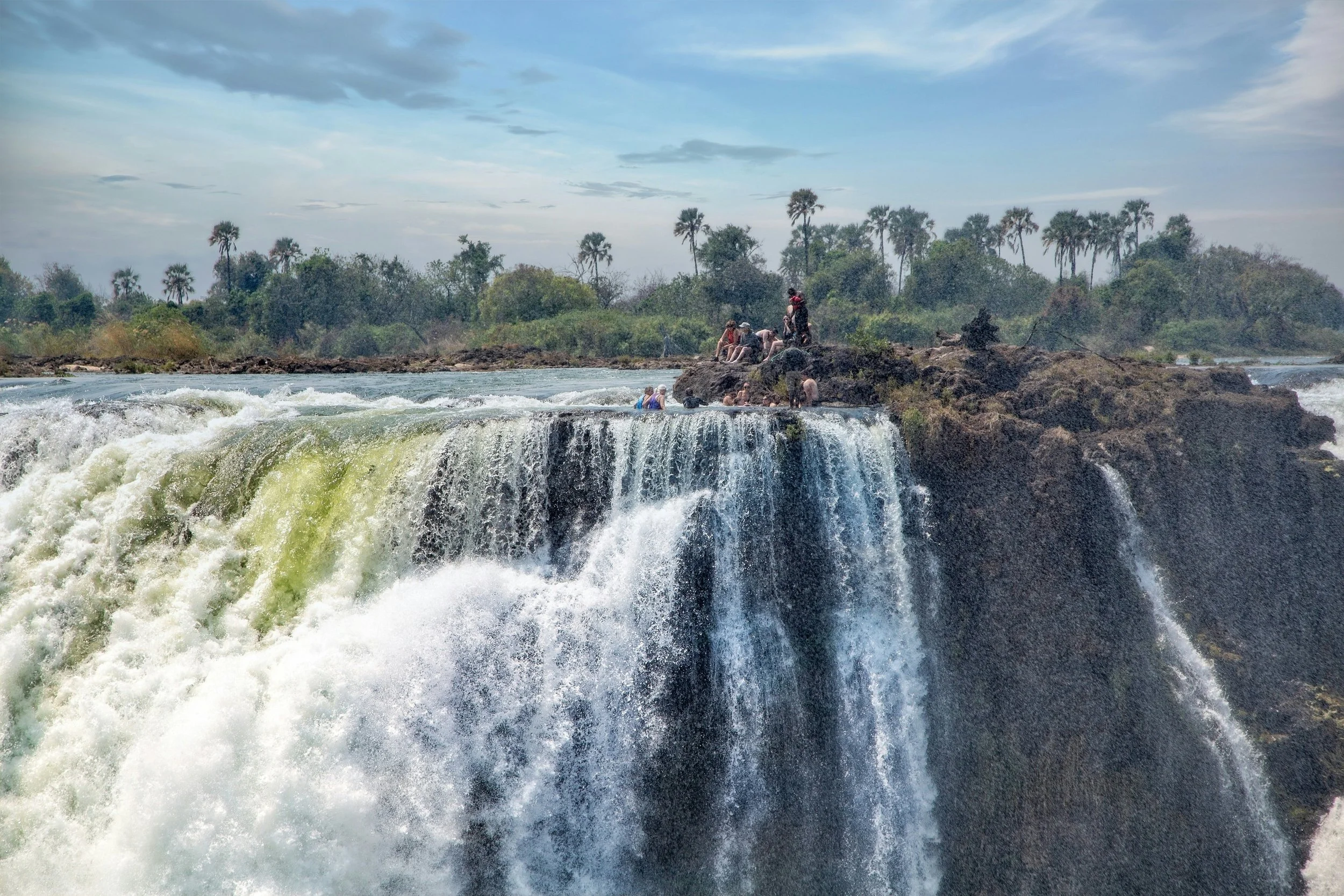
- Devil's Pool and Livingstone Island tours run only when the river is low, typically from mid-year to around January.
- South Luangwa's lodges near Mfuwe stay open year-round; some offer boat safaris when the rivers are high.
- Carmine bee-eaters nest in the riverbanks of the Luangwa from about September to November — a dazzling sight.
- Pack neutral-coloured clothing, warm layers for early mornings (May–August), and a light rain jacket for the green season.
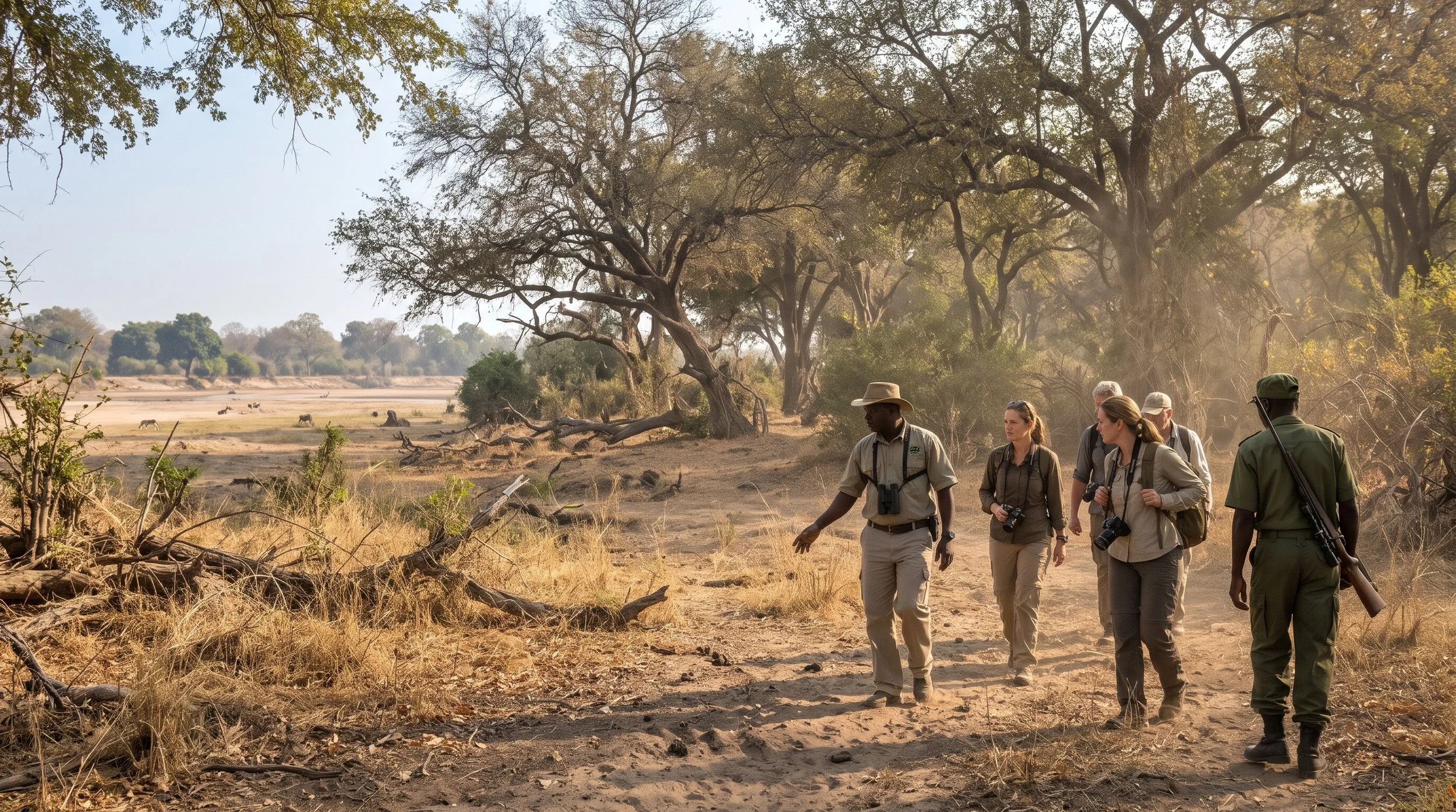
The walking safari was pioneered in Zambia's Luangwa Valley in the 1950s — and Zambian guides remain among the most respected in Africa
Culture & Character
Zambia is known as one of Africa's friendliest and most peaceful countries, home to more than 70 ethnic groups and a strong national motto: 'One Zambia, One Nation.' English is the official language, and Bemba, Nyanja, Tonga and Lozi are widely spoken. Many lodges partner closely with neighbouring villages and schools, and thoughtful community visits can be arranged.
Zambia's safari style is defined by its guiding. The walking safari was pioneered in the Luangwa Valley by conservationist Norman Carr, and Zambian guides undergo some of the most rigorous training on the continent. Expect deep knowledge, great stories and an intimate connection to the bush.
Food & Drink — What to Know
Zambian food is simple, filling and shared. Nshima (a smooth maize-meal staple, eaten by hand) is served with relishes such as ifisashi (greens in peanut sauce), stewed beans, or bream (freshwater fish from the Zambezi and Lake Kariba). Try kapenta (small dried fish) and seasonal wild mushrooms. In safari lodges, menus are international and often excellent, with bush breakfasts and riverside dinners as highlights. Mosi lager — named after Mosi-oa-Tunya, the local name for Victoria Falls — is the beer to know.
Planning Your Zambia Safari: What You Need to Know
Camps and seasons: Zambia's best camps are small and intimate — often just four to eight tents. Many remote bush camps operate only in the dry season (roughly April to November), so the time of year shapes which camps you can choose.
Getting around: Proflight Zambia and charter flights connect Lusaka, Livingstone, Mfuwe (South Luangwa), the Lower Zambezi and Kafue. Road transfers between parks are long, so most itineraries fly.
Walking and night drives: Walking safaris and night drives are permitted in many Zambian parks — a real highlight compared with some other countries.
Combining countries: Victoria Falls sits on the Zambia–Zimbabwe border, and Botswana's Chobe National Park is about an hour away — making two- and three-country itineraries easy.
Mosi-oa-Tunya — The Smoke That Thunders
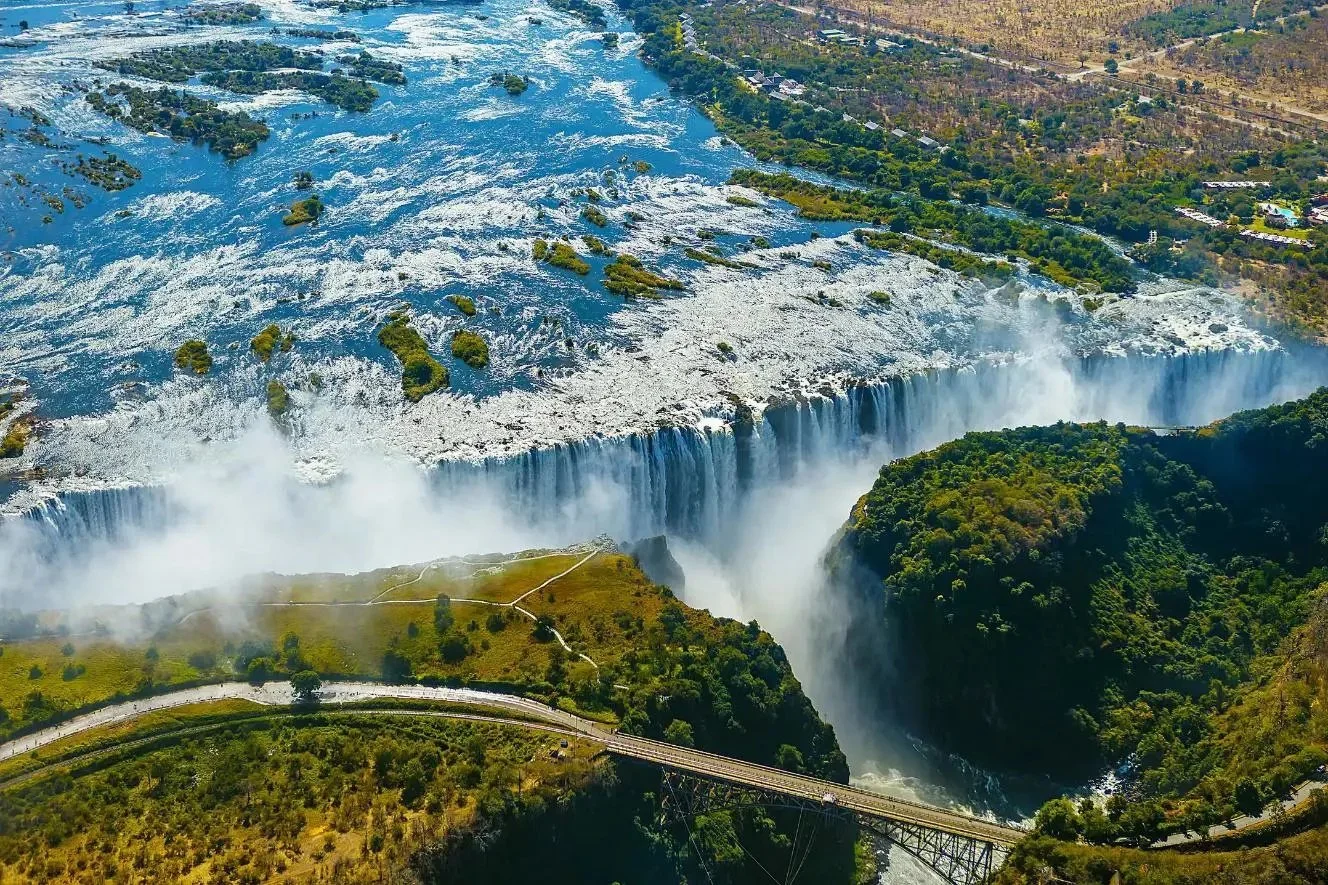
Victoria Falls — more than 1.7 kilometres wide and over 100 metres high, one of the Seven Natural Wonders of the World
Culture & Vibes
The Zambian side of the falls puts you right at the edge of the gorge. Walk the trails of Mosi-oa-Tunya National Park to the Knife-Edge Bridge, where you will be soaked by spray when the river is high (raincoats are provided). When the water is low, a guided trip to Livingstone Island — where David Livingstone first viewed the falls in 1855 — and a swim in the famous Devil's Pool on the very lip of the falls is an unforgettable thrill.
Livingstone town is laid-back and friendly. Visit the Livingstone Museum, walk with white rhinos in Mosi-oa-Tunya National Park with armed rangers, take a microlight or helicopter flight over the falls, or simply watch elephants cross the river from your lodge deck.
Food
Riverside sundowners are the ritual here. A Zambezi dinner cruise, high tea overlooking the river, and local dishes in town are all part of the experience.
Experience Snapshot
The Valley of the Leopard — Walking Safaris at Their Finest
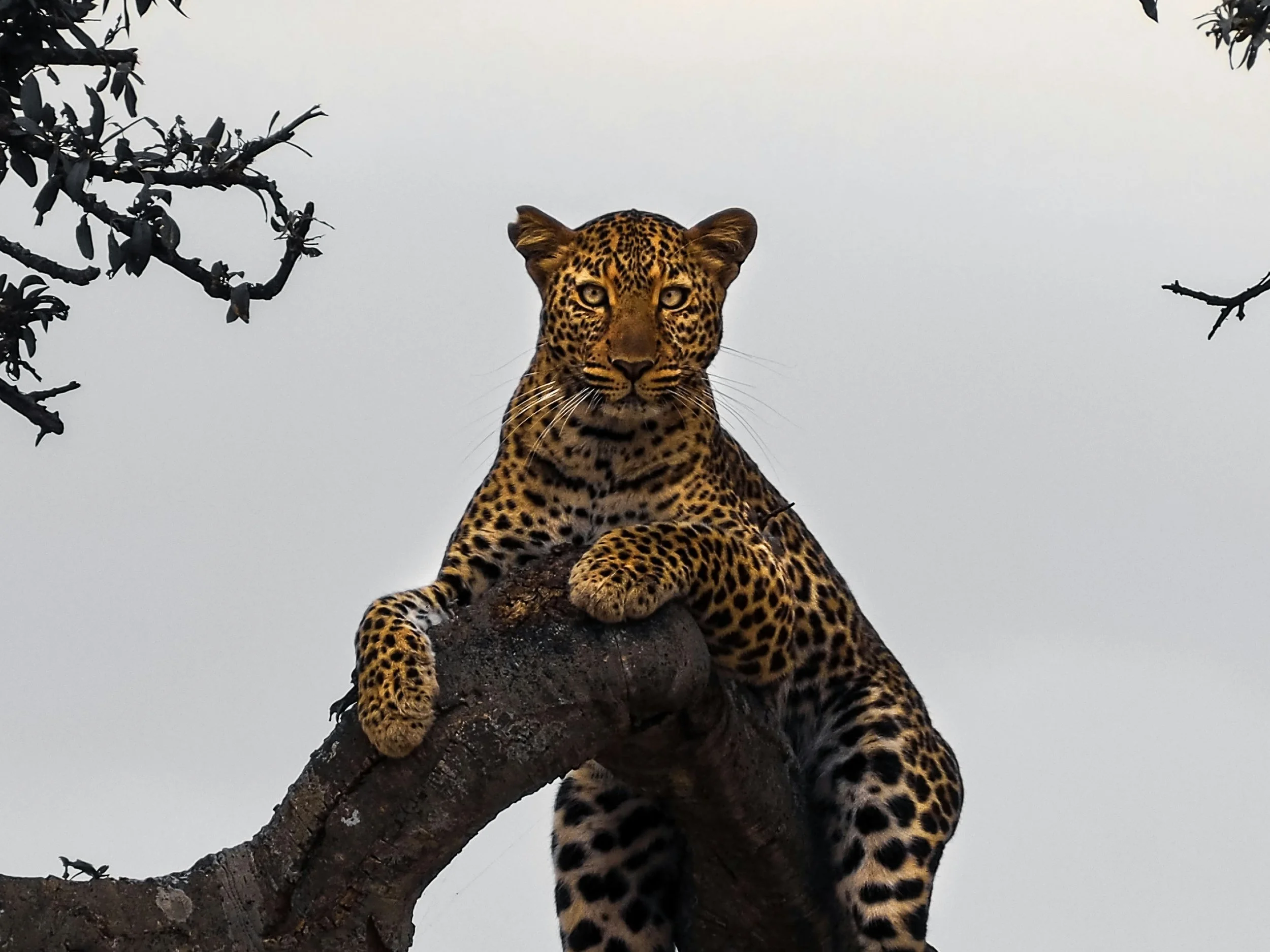
South Luangwa is famous for exceptional leopard sightings — often on night drives, which are permitted in the park
Culture & Vibes
The Luangwa River winds through a vast valley of ebony forest, lagoons and open floodplains, supporting one of the highest concentrations of wildlife in Africa: large elephant and buffalo herds, lion prides, wild dogs, hippos by the hundreds, and two local specialities — Thornicroft's giraffe and Cookson's wildebeest. But South Luangwa's true star is the leopard.
This is where the walking safari was born, and walking here with an expert guide and armed scout is the best way to read the bush: tracks, termite mounds, medicinal plants and the subtle signs of nearby animals. Near Mfuwe, visit the Tribal Textiles workshop, where hand-painted fabrics are made by local artists.
Elephants in the Lobby
Every year, usually in November and December, elephants walk straight through the reception of Mfuwe Lodge to reach a wild mango tree in the courtyard — one of the most charming wildlife spectacles in Africa.
Food
Meals are served at your camp — bush breakfasts on the riverbank, lunches on the deck, and dinners under the stars, often around the fire with your guide's stories.
Experience Snapshot
Africa's Great River Safari — Canoes, Elephants & Tigerfish
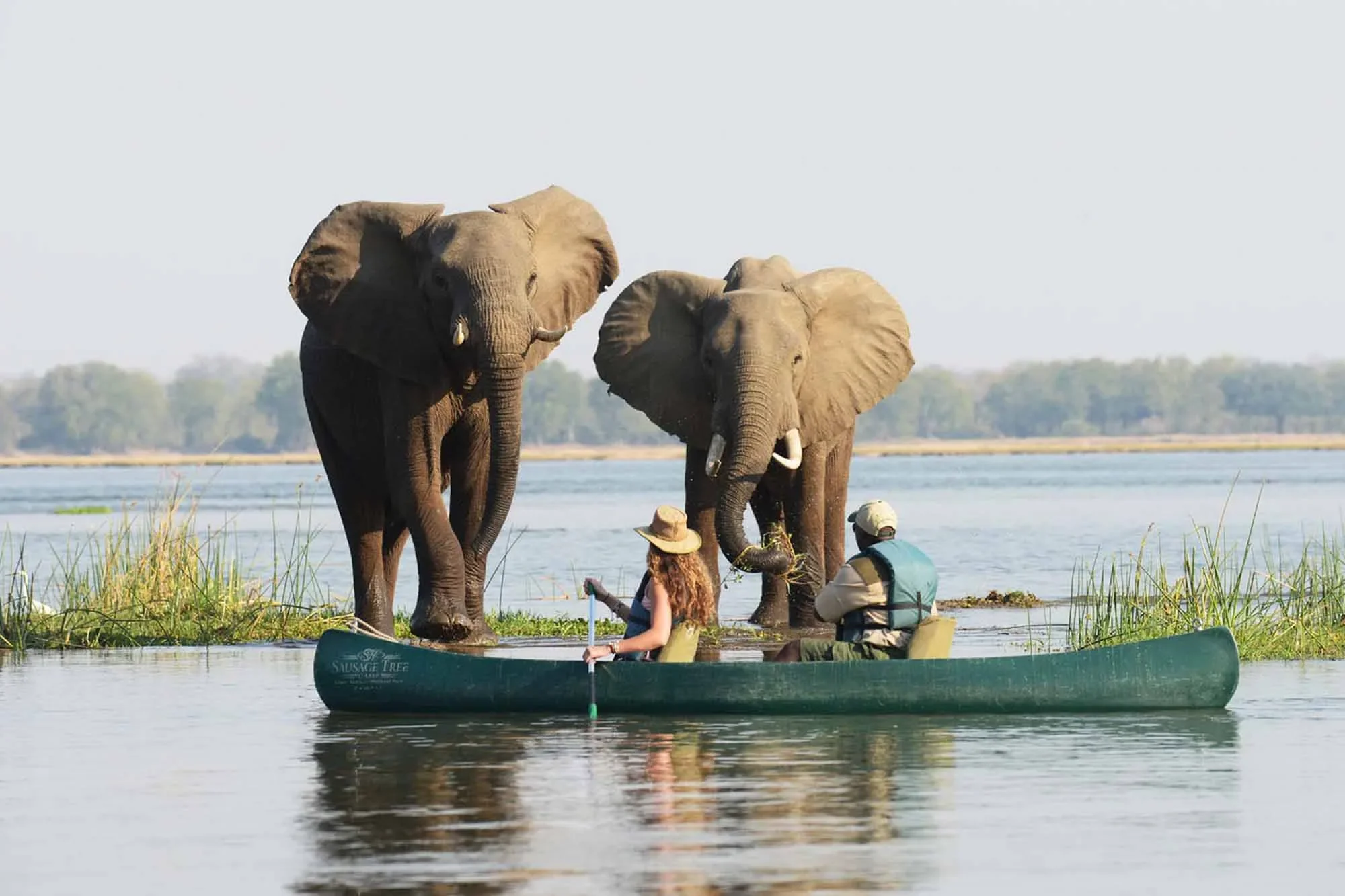
Canoeing past elephants grazing on the riverbank — the signature experience of the Lower Zambezi
Culture & Vibes
Lower Zambezi National Park stretches along the north bank of the Zambezi, with a steep escarpment rising behind it. Elephants, buffalo and waterbuck graze the islands and floodplains, while lions and leopards hunt in the winterthorn woodland. Across the river lies Zimbabwe's Mana Pools, making this one of Africa's great cross-border wilderness areas.
Days here are spent on the water: silent canoe safaris along the channels, motorboat cruises among hippos and crocodiles, and catch-and-release fishing for the famously fierce tigerfish. Game drives and walks round out the experience.
Food
Expect riverside bush breakfasts, sandbank sundowners as the sun sets over the escarpment, and candlelit dinners by the water.
Experience Snapshot
Zambia's Wild Heart — Leopards, Lechwe & the Busanga Plains
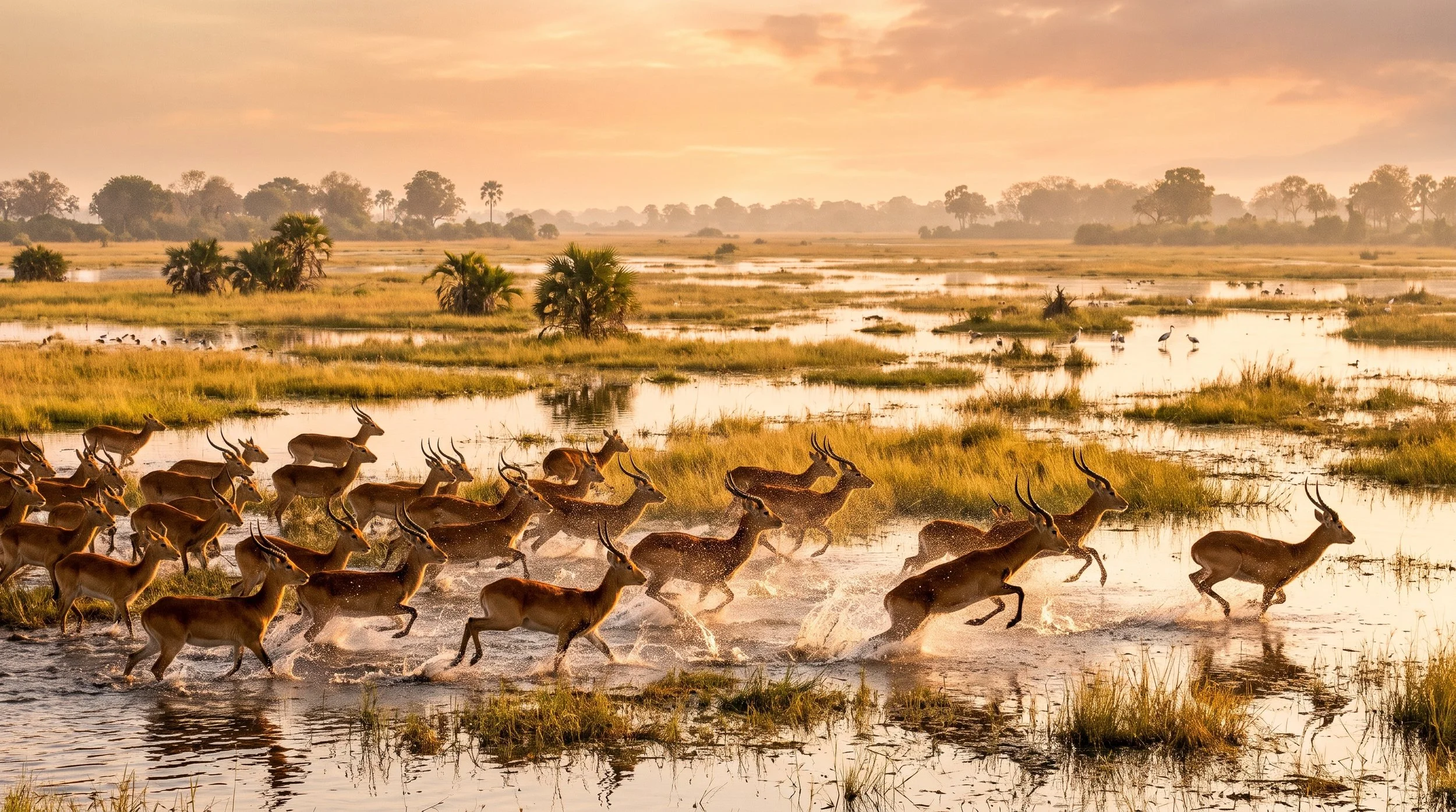
The Busanga Plains in northern Kafue — vast floodplains where lions, cheetahs and huge herds of red lechwe roam
Culture & Vibes
At more than 22,000 square kilometres, Kafue National Park is larger than many countries, yet sees only a fraction of the visitors of Africa's famous parks. The Kafue River and its tributaries support leopards, lions, cheetahs, wild dogs, elephants and more than 20 species of antelope — one of the richest antelope populations in Africa.
In the north, the Busanga Plains flood each year and emerge as an open, wildlife-filled grassland, accessible roughly from June to November. In the south, the shores of Lake Itezhi-Tezhi offer boat safaris and spectacular sunsets.
Food
Camp dining with a wilderness setting — fresh bread, riverside lunches and dinners under a sky full of stars.
Experience Snapshot
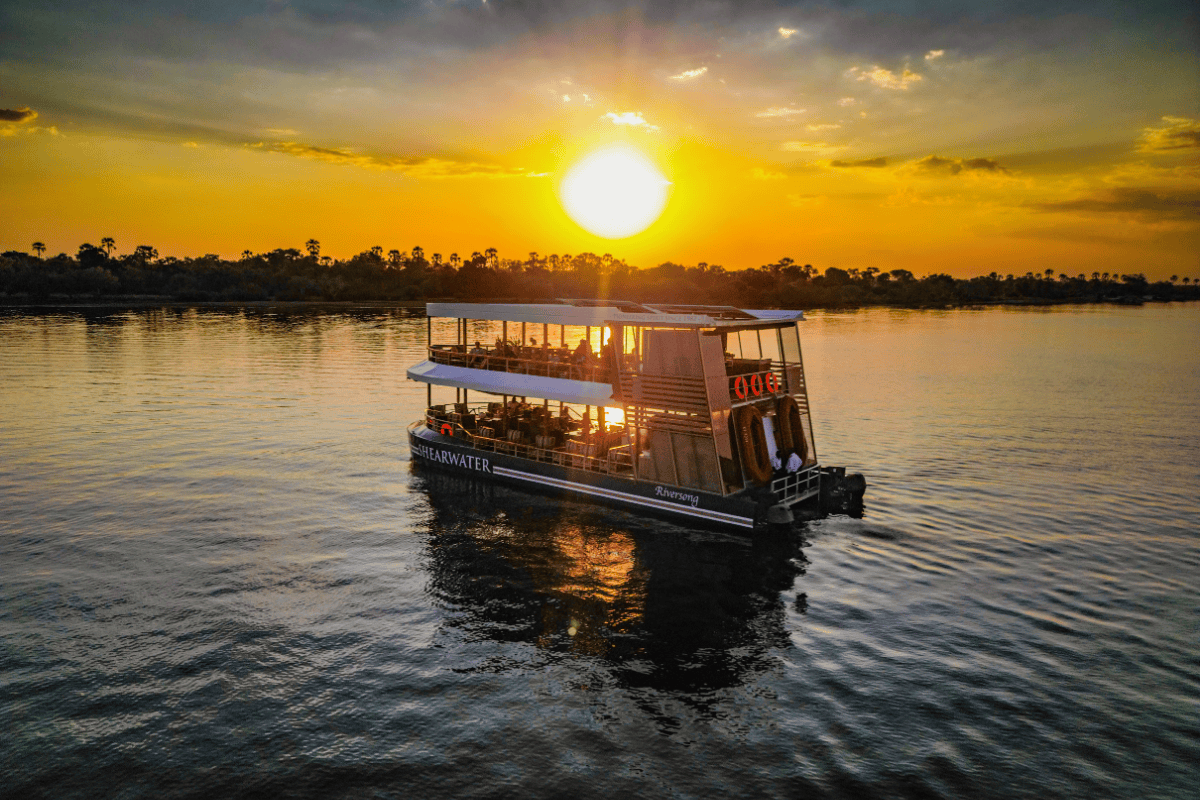
Sunset on the Zambezi — the perfect end to any day in Zambia
Getting There & Around
Flights: There are no nonstop flights from the US. Connect via Johannesburg (about 1.5 hours to Livingstone or Lusaka) or Addis Ababa. Domestic travel: Proflight Zambia and light-aircraft charters connect Lusaka, Livingstone, Mfuwe, the Lower Zambezi and Kafue. Lodges arrange transfers from the airstrips. Luggage limits on small planes are strict — pack soft bags.
Visas & Entry
US citizens can visit Zambia visa-free for tourism. If you are also visiting Zimbabwe, the KAZA UniVisa (about $50) allows multiple crossings between the two countries for up to 30 days, plus day trips into Botswana via Kazungula. Your passport should have at least six months' validity and several blank pages. Confirm current rules before travel.
Health & Safety
Malaria: Zambia is a malaria zone — antimalarials are recommended. Consult a travel clinic at least six weeks before departure. Water: Drink bottled or filtered water. Safety: Zambia is peaceful and welcoming. Always follow your guide's instructions on walks and in camp. Check the US State Department advisory before booking.
Money & Currency
The currency is the Zambian Kwacha (ZMW). US dollars and cards are widely accepted at lodges. Bring small US notes for tips, which are customary for guides, scouts and camp staff.
Culture & Etiquette
Greet people warmly and take your time — Zambians value courtesy. Dress modestly in towns and villages. Ask before photographing people. On safari, wear neutral colours, keep your voice low, and always listen to your guide.
Suggested Itinerary Combinations
7 days: Livingstone & Victoria Falls (2 nights) + South Luangwa (5). 10 days: Livingstone (3) + South Luangwa (4) + Lower Zambezi (3, dry season). 14 days: Livingstone (3) + Kafue (3) + South Luangwa (4) + Lower Zambezi (4) — or add Victoria Falls, Zimbabwe, and Botswana's Chobe. Schedule a call and I will build a custom itinerary around your travel style and timeline.
Zambia is Africa as it was meant to be felt.
Quiet. Wild. Real.
A leopard in the spotlight, an elephant beside your canoe,
and the thunder of Victoria Falls carried on the wind.