
Travel Guide
United Kingdom
London | The Cotswolds | Edinburgh | Glasgow
Bath | York | Oxford | Manchester | Liverpool
History · Culture · Food · Where to Stay, Eat & Explore

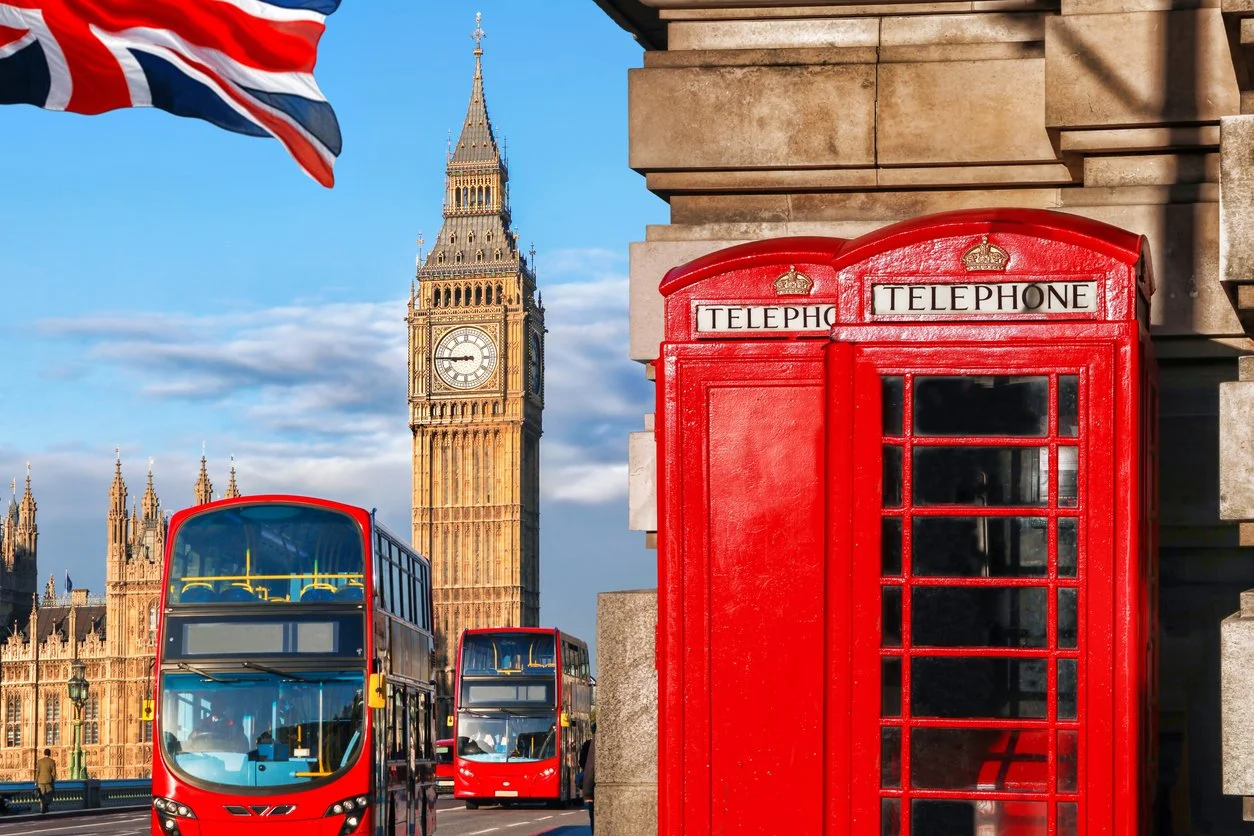
Welcome to the United Kingdom
The United Kingdom rewards the traveller who comes expecting one thing and finds something entirely richer. Yes, there are the icons — Big Ben, Edinburgh Castle, the white cliffs, the country pub with the roaring fire. But the UK is also a country of astonishing cultural depth: the world's greatest collections of art and antiquities (largely free to enter), a restaurant scene that has reinvented itself completely over the past two decades, landscapes of haunting beauty from the Cornish coast to the Scottish Highlands, and four distinct nations — England, Scotland, Wales, and Northern Ireland — each with its own character, accent, history, and pride.
This guide covers nine destinations that together tell the essential UK story: the inexhaustible energy of London, the honey-stone idyll of the Cotswolds, the dramatic dual capitals of Edinburgh and Glasgow, the Georgian perfection of Bath, the medieval grandeur of York, the academic beauty of Oxford, and the reinvented northern cities of Manchester and Liverpool.
Best Time to Visit
- May – June (Late Spring): The finest season for the UK — long days (London gets 16+ hours of daylight in June), gardens in full bloom, the countryside at its greenest, and summer crowds not yet at peak. The Chelsea Flower Show (May), Trooping the Colour (June), and the start of Wimbledon (late June) make this the most eventful window.
- September – October (Early Autumn): Equally excellent — summer heat has mellowed, the light turns golden, autumn colour comes to the Cotswolds and Scottish Highlands, and crowds thin significantly after the school holidays end. Excellent for walking and countryside travel.
- July – August (Summer): Long, warm days and the full festival calendar (Edinburgh Festival in August is essential). Peak prices and crowds in all cities — book everything well ahead. The UK summer is genuinely lovely when sunny, though "genuinely lovely" is not guaranteed.
- November – March (Winter): Cold, short days, but atmospheric. Christmas markets (Bath, Edinburgh, Manchester) are beautiful. January and February are the quietest and cheapest months to visit London and the cities. The Scottish Highlands in snow are magnificent.
- London: Year-round destination. Summer for parks and outdoor life. December for Christmas lights and theatre season. Avoid August school holidays for a calmer experience.
- Edinburgh: August for the world's greatest arts festival (the Edinburgh Festival Fringe — book accommodation 6+ months ahead). Hogmanay (New Year's Eve) is spectacular. The rest of the year is quieter and very rewarding.
- Cotswolds: May–June and September–October for the most beautiful light and manageable visitor numbers. Summer weekends can be crowded in the most famous villages.
- Bath, York, Oxford: Year-round — all are excellent in winter. The absence of summer crowds makes autumn and spring particularly rewarding for these compact, walkable cities.
- Manchester & Liverpool: Year-round city breaks. Football season (August–May) adds energy; summer festivals peak July–August.
The UK's cultural range is extraordinary — from the ceremony and grandeur of London to the wild, ancient silence of the Scottish Highlands, four nations share one island in endlessly fascinating ways
Culture & Character
The United Kingdom is four nations in one — England, Scotland, Wales, and Northern Ireland — each with its own distinct identity, history, and occasionally prickly relationship with the whole. Understanding this distinction enriches every visit: Edinburgh is a Scottish city first and a British city second; the pride runs deep and the history is complex. The same is true of Cardiff, Belfast, and every corner of Wales.
British culture is defined by a paradox that visitors consistently find charming: extraordinary formality (the Royal Family, the Houses of Parliament, the pub's unspoken rules) alongside a deep, self-deprecating informality. The British queue voluntarily. They apologise when you step on their foot. And their food — once the byword for grey, boiled disappointment — has undergone one of the great culinary transformations of the past 30 years. From London's world-class restaurant scene to the gastropub revolution that has reached every corner of the country, eating well in Britain is now genuinely excellent.
Food & Drink — What to Know
The full English breakfast (eggs, bacon, sausages, baked beans, grilled tomato, mushrooms, toast — eaten properly only in a café, never a hotel) is one of the world's great morning meals. Fish and chips (battered fish, thick chips, eaten from paper with malt vinegar — best at a proper chippie near the sea) remains the national dish. Afternoon tea (finger sandwiches, scones with clotted cream and jam, cakes, pot of tea — a ritual that rewards treating seriously) is a genuine cultural institution. The gastropub — a pub serving genuinely good food alongside real ale — is Britain's greatest contribution to world dining culture. And the curry house: the British Indian restaurant tradition, shaped by Bangladeshi and Pakistani immigration, has produced a cuisine — chicken tikka masala, baltis, Brick Lane — that is entirely, proudly British.
The World City — Inexhaustible, Contradictory & Completely Alive
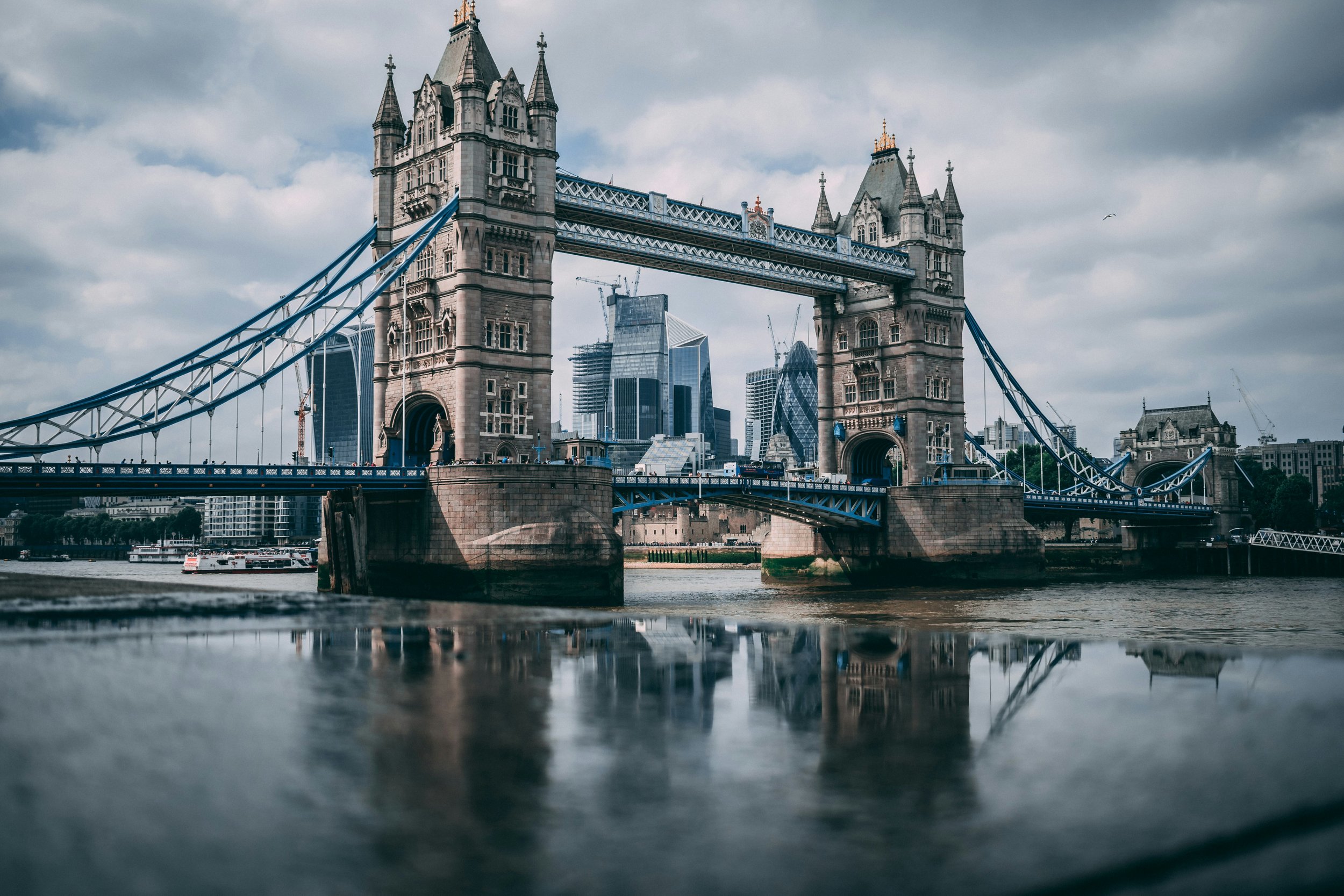
Tower Bridge at dusk over the Thames: London's most recognisable icon, completed in 1894 and still the emotional centre of a city of nine million people that has been continuously inhabited for two thousand years
The Neighbourhoods
London is not one city but a collection of villages, each with its own character. Mayfair and St James's are old money and luxury — Bond Street, the Royal Academy, Fortnum & Mason. Soho and Covent Garden are theatre, restaurants, and the West End. Shoreditch and Bermondsey are the creative east — street art, food markets, contemporary galleries. Notting Hill and Portobello are the Saturday morning market and the pastel townhouses. Greenwich (the Prime Meridian, the Cutty Sark, the best view of the city from the hill) rewards those who venture east. Hampstead gives you the Heath, a village high street, and Keats's house on a single afternoon.
The South Bank — from Tate Modern and Borough Market to the Globe Theatre and the National Theatre — is London's most rewarding continuous walk: cross Waterloo Bridge at dusk, walk east past the Tate, stop at Borough Market, cross Tower Bridge, and you will have seen more of London's soul in two hours than any bus tour will show you in a day.
Museums & Galleries — Mostly Free
London's permanent collections are the finest in the world and almost all are free. The British Museum (the Elgin Marbles, the Rosetta Stone, Egyptian mummies — allow four hours minimum), the National Gallery (van Eyck, Vermeer, Turner, van Gogh — the finest single-room collection in the world is Room 34), the Victoria & Albert Museum (design and decorative arts — the Cast Courts alone are extraordinary), the Natural History Museum (the blue whale skeleton, the Darwin Centre), and Tate Modern (the world's most visited modern art museum, in a converted power station on the Thames) are all free and all essential.
Food
London is now one of the world's great food cities. Borough Market (London Bridge — Thursday to Saturday, the finest food market in the UK) is the essential first morning. Dishoom (Covent Garden or King's Cross — the most celebrated Indian restaurant in Britain, always queues, always worth it) is obligatory. St John (Clerkenwell — Fergus Henderson's nose-to-tail cooking, the restaurant that changed British food, book ahead) is the most important restaurant in London. The Ledbury (Notting Hill) and Core by Clare Smyth are the current pinnacle of London fine dining. The Saturday morning Maltby Street Market (Bermondsey) and the Brockley Market are where Londoners actually eat on weekends.
Experience Snapshot
England's Pastoral Idyll — Honey Stone, Country Pubs & Morning Mist
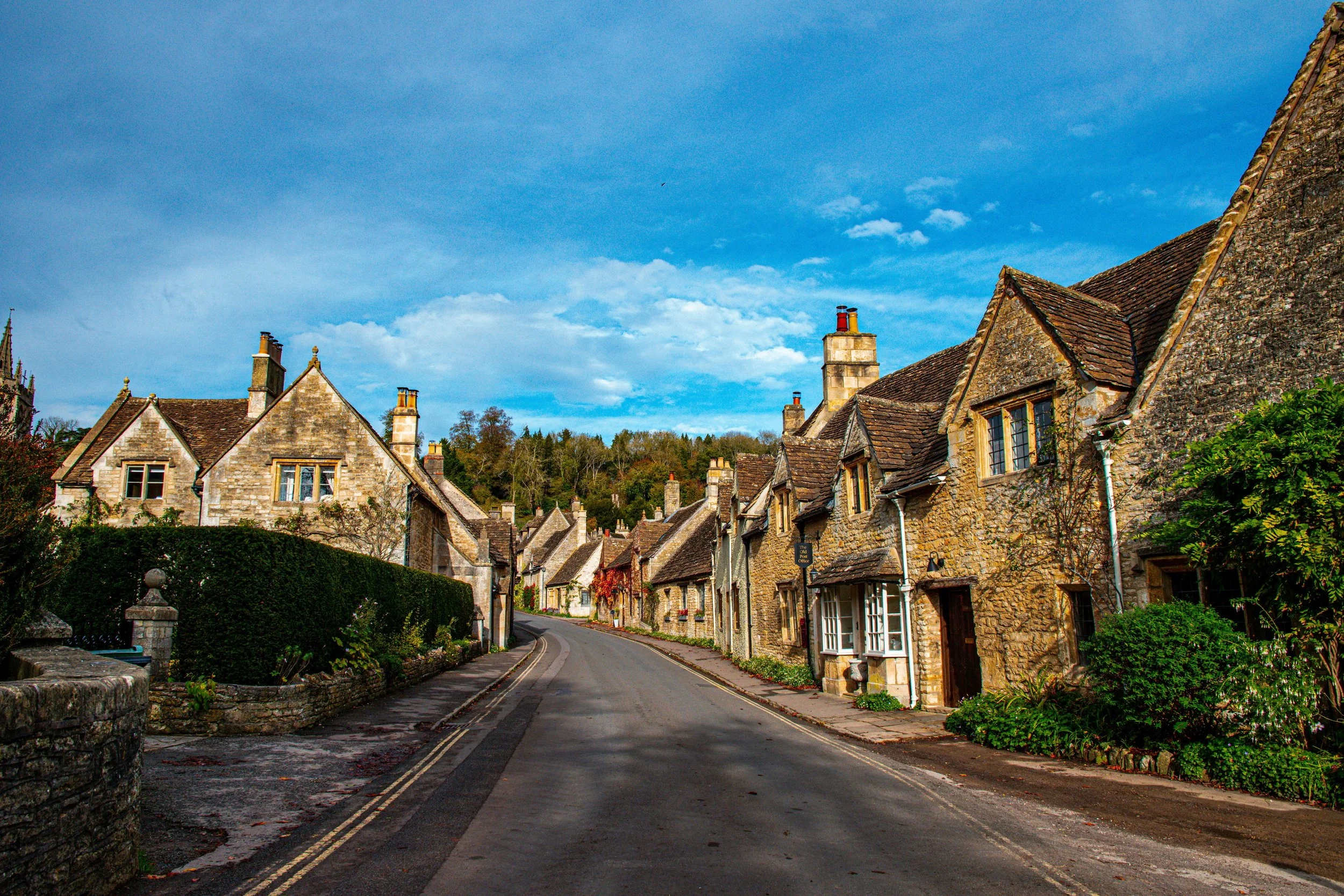
Castle Combe in early morning: the village that appears most frequently on "most beautiful village in England" lists, its honey-limestone cottages reflected in the By Brook — best experienced before 9am, before the day-trippers arrive
The Villages
The Cotswolds is not a single place but a region — roughly 800 square miles of Gloucestershire, Oxfordshire, and Worcestershire, centred on the market towns of Chipping Campden, Bourton-on-the-Water, Burford, and Cirencester. The honey-coloured limestone — quarried locally and used for everything from field walls to manor houses — gives the entire region its distinctive warm glow. Bibury (Arlington Row, the most photographed cottages in England), Castle Combe (perhaps the most perfect village), Snowshill (NT manor house full of Charles Paget Wade's extraordinary collections), and Hidcote Manor Garden (Lawrence Johnston's Arts and Crafts masterpiece — one of the finest gardens in England) are the essential stops alongside the famous market towns.
The Cotswold Way — a 102-mile National Trail from Chipping Campden to Bath — passes through some of the finest scenery in England. Walking even a day section (Chipping Campden to Broadway, or Broadway to Winchcombe) gives a quality of landscape experience that no amount of driving can replicate.
Food & Pubs
The Cotswolds gastropub is one of England's finest dining institutions. The Wild Rabbit at Kingham (Lady Bamford's Daylesford estate pub — exceptional food, beautiful interiors), The Feathered Nest at Nether Westcote (Michelin-starred, extraordinary views), The Bell at Burford, and The Fox Inn at Lower Oddington represent the spectrum from casual to exceptional. The Daylesford Organic Farm Shop near Kingham is the finest farm shop in England — cheese, charcuterie, bread, and produce of extraordinary quality.
Experience Snapshot
The Athens of the North — Drama, History & the World's Greatest Arts Festival
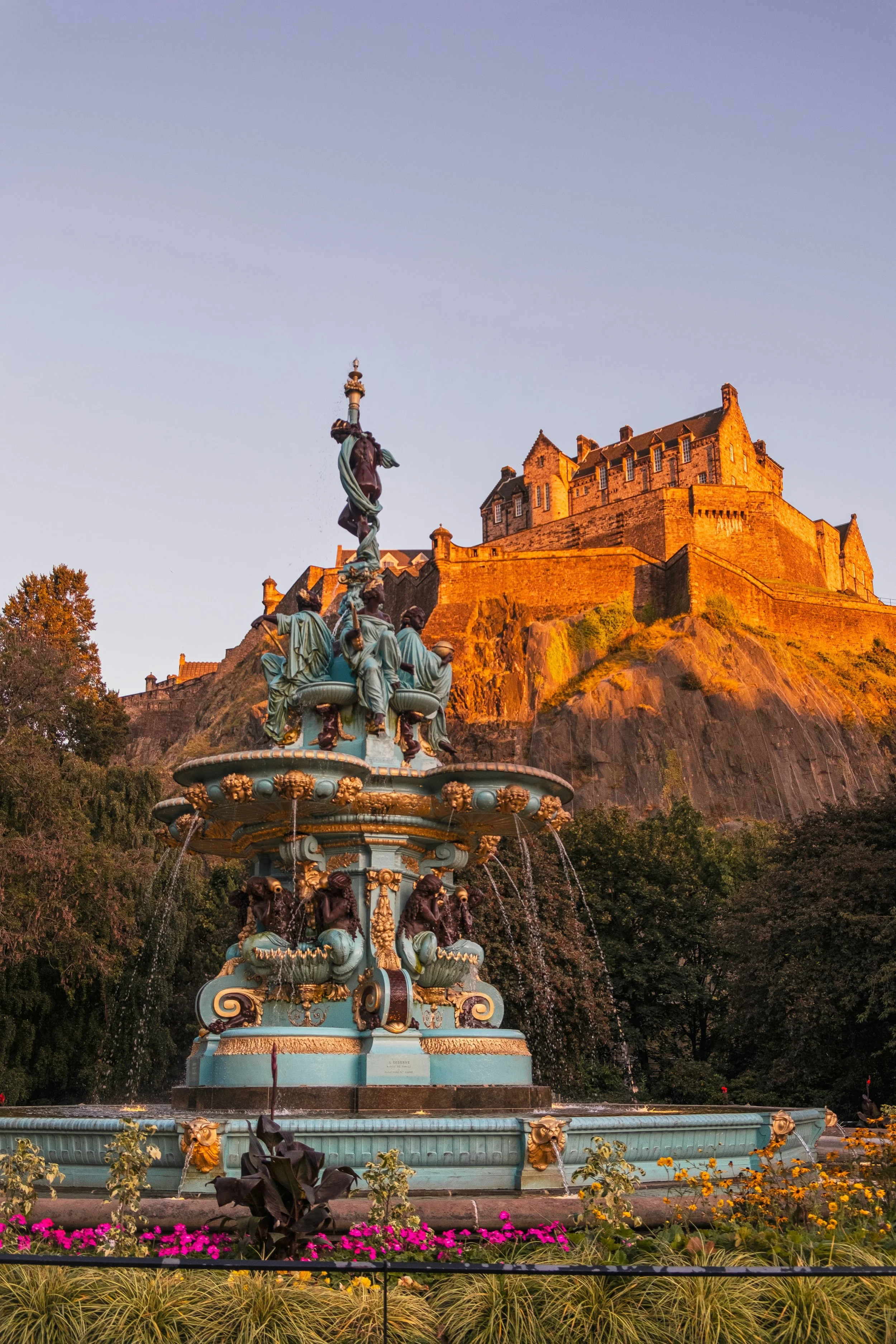
Edinburgh Castle above Princes Street Gardens: the volcanic rock that has been fortified since the Iron Age, looking out over a Georgian New Town that is one of Europe's finest examples of planned urban architecture
The Old Town & the New Town
Edinburgh's Old Town — the medieval city that climbs the Royal Mile from the Palace of Holyroodhouse at the foot to the Castle at the summit — is one of Europe's most extraordinary urban streetscapes. The closes (narrow alleyways) off the Royal Mile plunge down either side of the ridge in a warren of tenements, courtyards, and hidden spaces: Victoria Street (the curved, colourful street that J.K. Rowling partly drew Diagon Alley from), Greyfriars Kirkyard (atmospheric 17th-century churchyard, more Harry Potter connections), and the extraordinary Scottish National Museum (free — an outstanding collection of Scottish history and culture).
The Georgian New Town, designed by James Craig in 1766, is one of Europe's finest planned urban environments — wide streets, elegant squares (Charlotte Square, St Andrew Square), and the incomparable Princes Street Gardens below the castle. The Scottish National Gallery (free — outstanding collection from the Middle Ages to Post-Impressionism, including Velázquez, Raphael, and Monet) sits in the gardens.
The Edinburgh Festival
Every August, Edinburgh hosts what is collectively the world's largest arts festival — the Edinburgh Festival Fringe (3,000+ shows in 250+ venues), the Edinburgh International Festival (world-class opera, theatre, and dance), the Edinburgh International Book Festival, the Royal Edinburgh Military Tattoo (on the Castle esplanade — pipes, drums, and military spectacle against one of the world's great backdrops), and more. The city transforms entirely — streets become performance spaces, every pub has comedy, every church has theatre. Book accommodation and key shows 6–12 months ahead. It is one of the great unmissable experiences in the world.
Food & Whisky
The Kitchin (Tom Kitchin's Leith restaurant, Michelin-starred, the finest in Edinburgh — "from nature to plate" philosophy, book well ahead), Timberyard (creative, seasonal, beautiful space in a converted timber warehouse), and Wedgwood on the Royal Mile are the top restaurant choices. For whisky: the Scotch Whisky Experience on the Royal Mile for context, then the Cadenhead's or Royal Mile Whiskies shops for the serious purchase. The Stockbridge Sunday Market and Leith Market are the city's best food markets.
Experience Snapshot
Scotland's Soul City — Grit, Art, Music & the Best Pubs in Britain
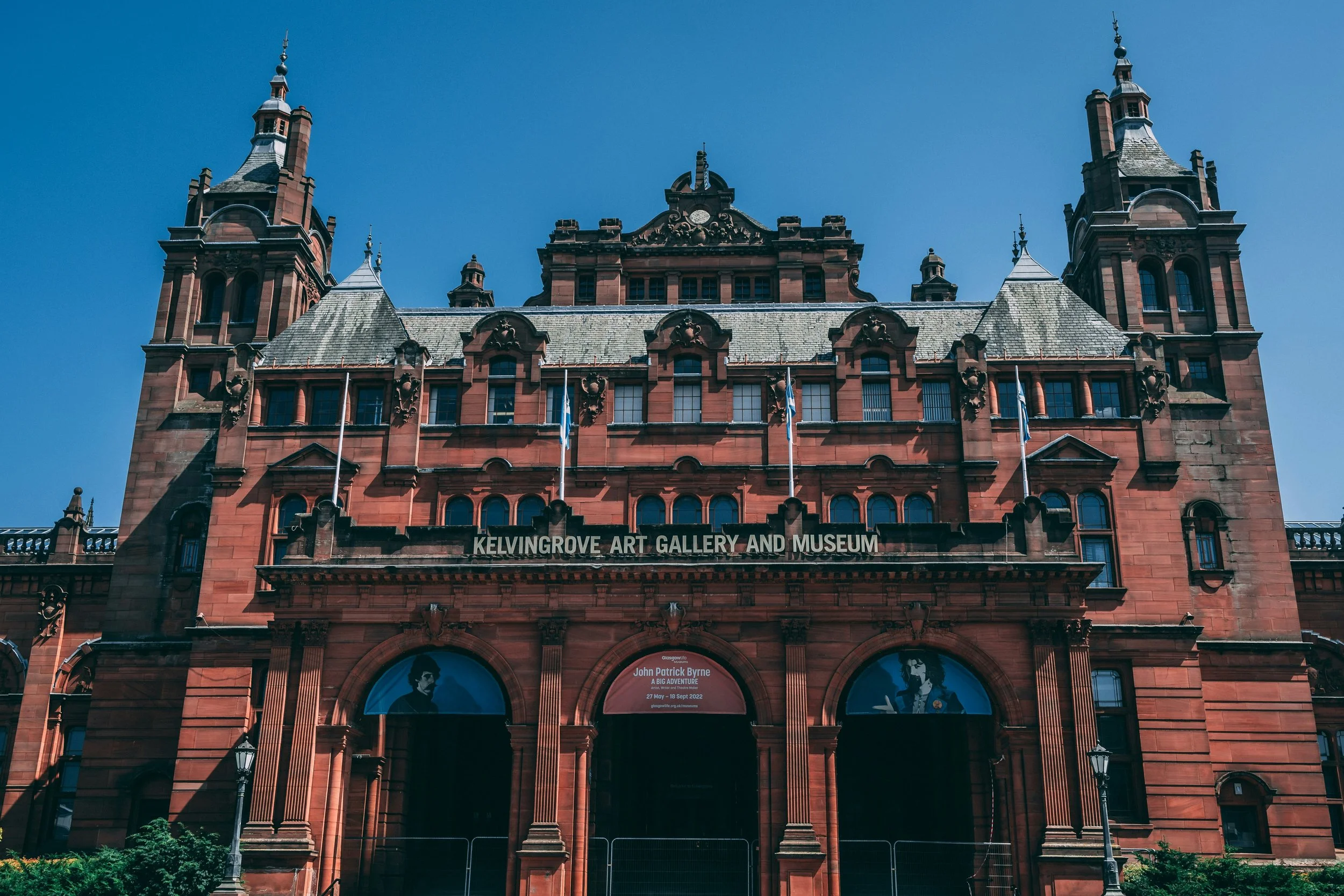
The Kelvingrove Art Gallery and Museum: one of the finest municipal art collections in Europe, housed in a spectacular red sandstone Victorian building in Glasgow's West End — and entirely free to enter
Culture & Vibes
Glasgow was the second city of the British Empire at its height — a city that built ships, locomotives, and bridges for the world, and whose Victorian wealth produced an extraordinary architectural legacy of red and blonde sandstone. The Merchant City (the 18th-century commercial heart, now a district of bars, restaurants, and galleries) and the West End (bohemian, leafy, centred on the University of Glasgow and Byres Road) are the two great neighbourhoods for visitors.
The Kelvingrove Art Gallery (free — Dalí's Christ of Saint John of the Cross, Rembrandt, Charles Rennie Mackintosh, Egyptian mummies in a spectacular Victorian building) is the finest free museum in Scotland. The Burrell Collection (recently reopened after a decade-long renovation — 9,000 objects from the medieval to the modern, including one of the world's finest collections of tapestries and Chinese art) is extraordinary. And the Charles Rennie Mackintosh trail — the School of Art (partially restored after fire), The Lighthouse, the Willow Tea Rooms — celebrates Scotland's greatest architect and designer.
Food & Music
Ox and Finch (Kelvingrove — the best restaurant in Glasgow, sharing plates, outstanding wine list), Cail Bruich (Great Western Road, Michelin-starred, Scottish produce at its finest), and Ox in the Merchant City round out the top tier. For music: the Barrowland Ballroom is one of the world's great live music venues — check the programme. King Tut's Wah Wah Hut (where Oasis were discovered) and the Hydro cover the rest of the spectrum. Glasgow's pub culture — particularly in the West End and Merchant City — is the finest in the UK: proper conversation, genuine warmth, and excellent real ale.
Experience Snapshot
Georgian Perfection — Roman History, Jane Austen & the Most Beautiful City in England
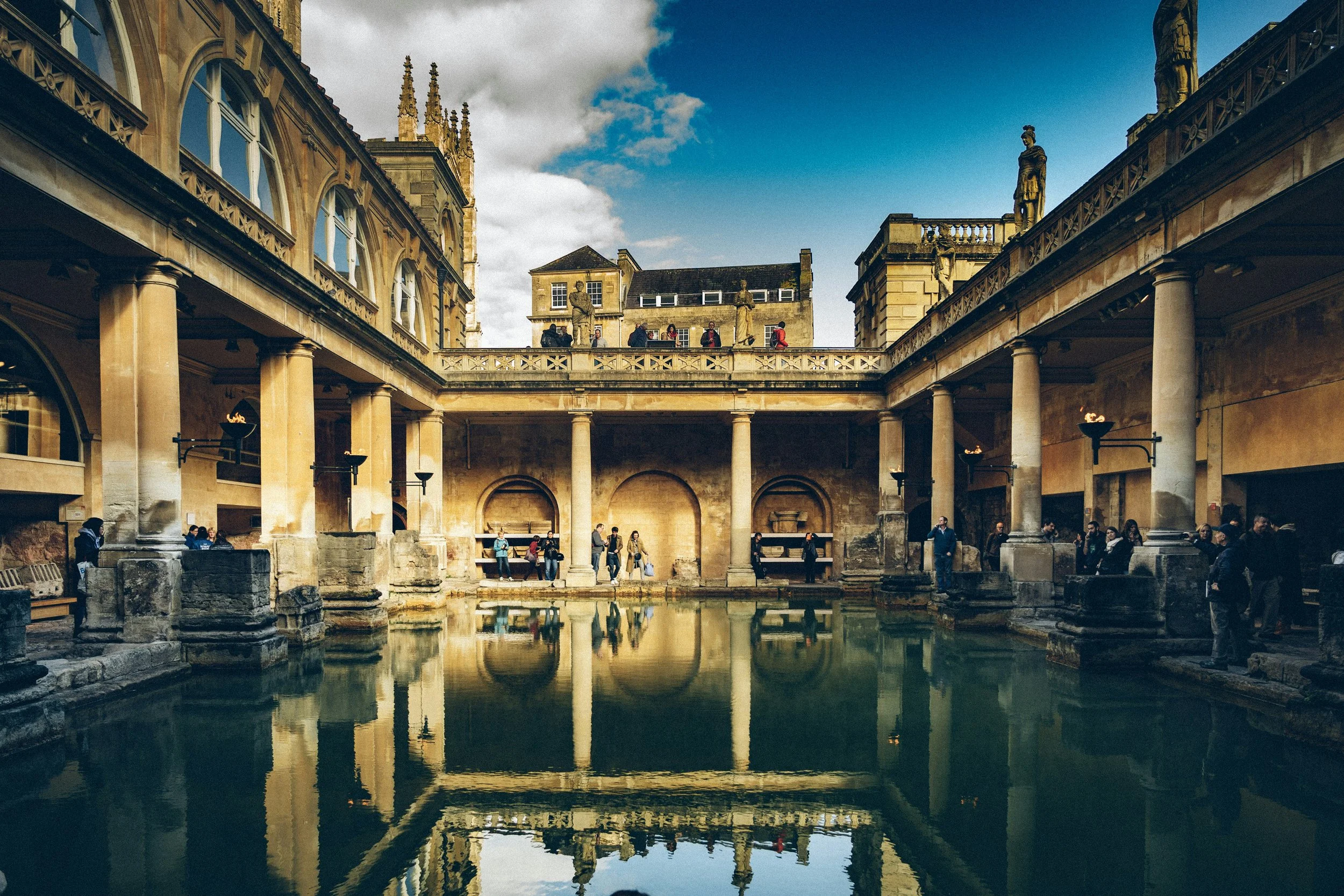
The Roman Baths: a 2,000-year-old bathing complex built around the only naturally occurring hot springs in Britain, with Bath Abbey soaring behind — one of the finest Roman sites in northern Europe
Culture & Sights
The Roman Baths (the finest Roman site in Britain — the sacred spring, the Great Bath, the temple of Sulis Minerva; allow 2 hours, book online) are the essential start. The Royal Crescent and the Circus (John Wood the Elder and Younger's masterworks of Georgian urban design — the most beautiful street in England) are five minutes' walk away. The Jane Austen Centre on Gay Street tells the story of Bath through Austen's eyes with warmth and wit. The Thermae Bath Spa (the only place in Britain where you can bathe in naturally heated mineral spring water — the rooftop pool looking over the city is one of England's most unusual and enjoyable experiences) is the essential afternoon.
Pulteney Bridge (one of only four bridges in the world with shops built across its entire span), the Assembly Rooms (where 18th-century Bath society gathered to dance, gossip, and plot marriages, now housing the Fashion Museum), and the Bath Abbey (with its extraordinary west facade of climbing angels) complete the essential circuit.
Experience Snapshot
England's Most Complete Medieval City — Vikings, Romans & the Finest Gothic Cathedral in the North
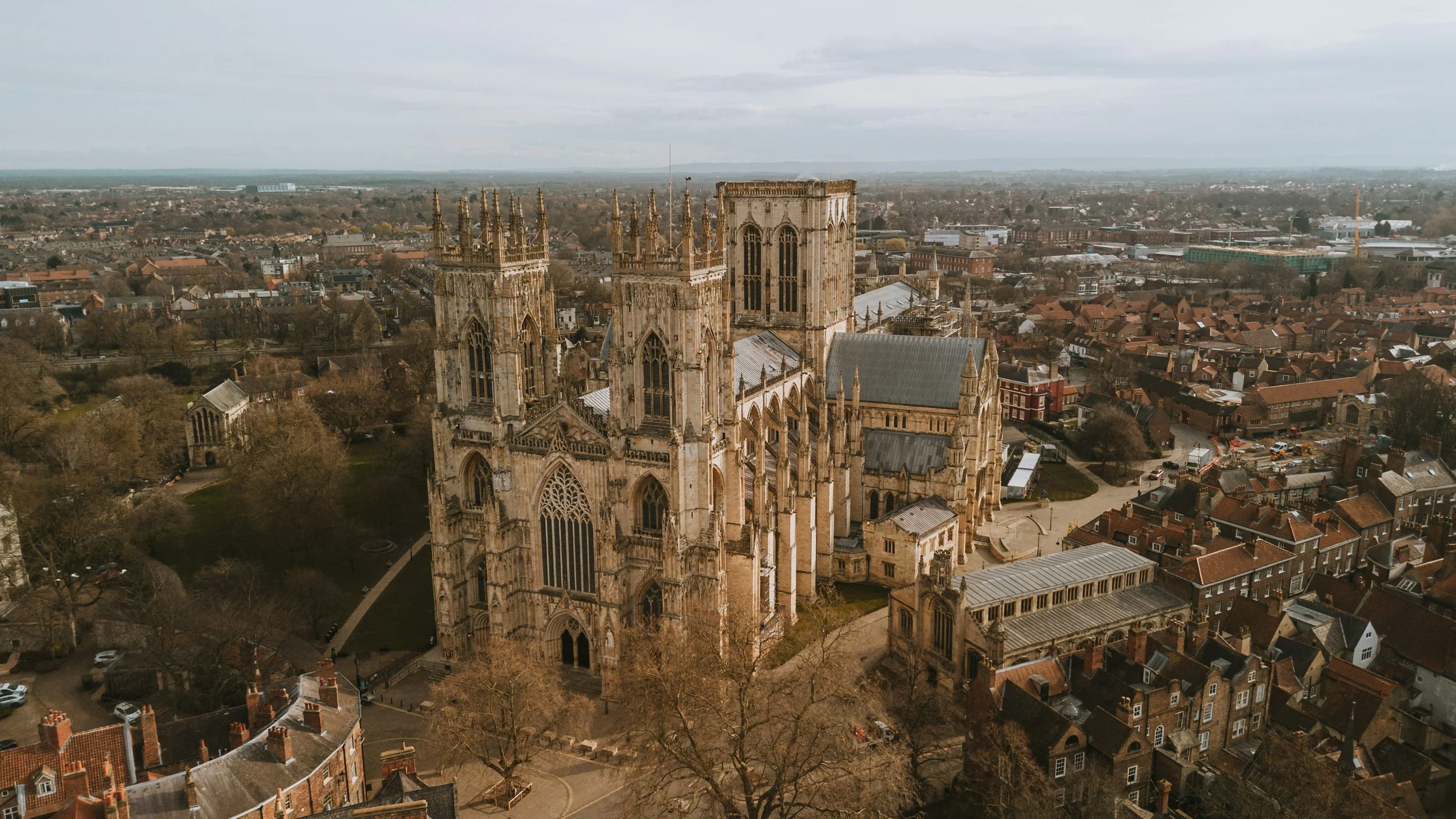
York Minster rising above the city's medieval rooftops: the largest Gothic cathedral in northern Europe, its Great East Window the size of a tennis court and containing the largest expanse of medieval stained glass in the world
Culture & Sights
York Minster (the largest Gothic cathedral in northern Europe — the Great East Window's medieval stained glass is the largest expanse in the world; the tower climb gives the finest city view in England) is the essential start. The City Walls (2 miles of intact Roman and medieval fortification — walkable in 2 hours, with views over the entire city) are among the finest in Europe. The Shambles (the narrowest, best-preserved medieval street in England — the overhanging timber-frame buildings almost touch overhead) is deservedly the most photographed street in the north. The JORVIK Viking Centre (a time-capsule recreation of 10th-century Viking York built directly over the original excavation site) is one of Britain's best heritage attractions.
The National Railway Museum (free — the world's finest collection of locomotives, from Stephenson's Rocket to the Japanese Shinkansen, in a spectacular converted Victorian engine shed) is unmissable for any age. The Yorkshire Museum (free — Roman and Viking collections, the Gilling Helmet, and the extraordinary Middleham Jewel) is outstanding.
Experience Snapshot
The City of Dreaming Spires — One Thousand Years of Learning & Beautiful Stone
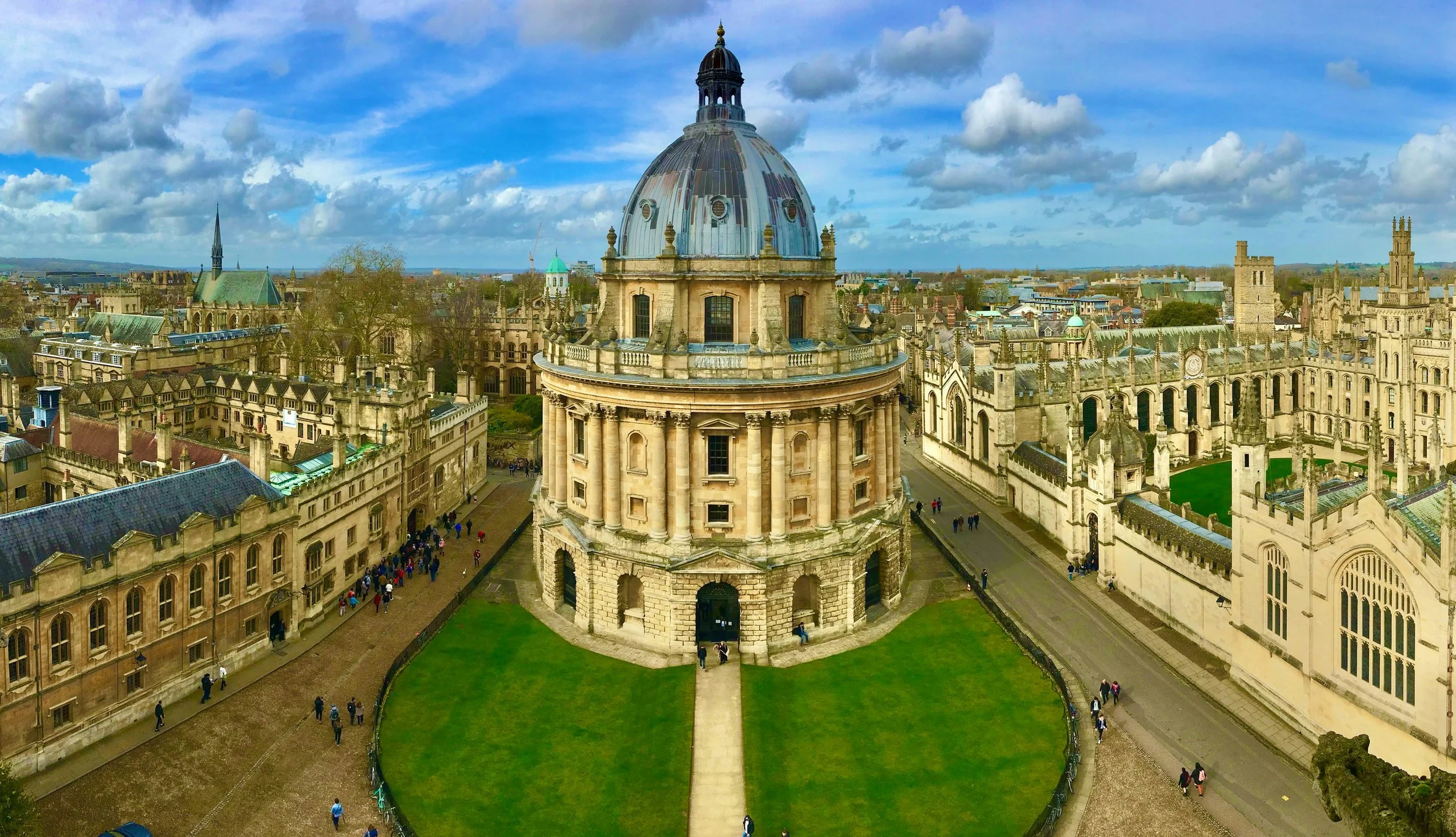
The Radcliffe Camera: James Gibbs's circular library (1749), the most recognisable building in Oxford and the focal point of the city's extraordinary concentration of medieval and Baroque collegiate architecture
The Colleges & the City
The most beautiful college walk in Oxford: Merton Street to the High Street to Radcliffe Square to Broad Street. In this circuit you pass Merton College (the oldest buildings in Oxford, dating to 1264), Oriel and Corpus Christi Colleges, the University Church of St Mary (climb the tower for the best view of the Radcliffe Camera and the spires), the Radcliffe Camera itself, the Bodleian Library (one of the world's great libraries — the Duke Humphrey's Library used as Hogwarts' restricted section), All Souls College (the most exclusive in Oxford — fellows only, no students), and the Sheldonian Theatre (Wren's masterwork, 1669). Christ Church College (the Cathedral, the Great Hall used as the model for Hogwarts' dining hall, the Tom Tower) is worth the entry fee for the full Harry Potter experience.
Beyond the Colleges
The Ashmolean Museum (free — the world's first public museum, founded 1683, with extraordinary collections from Egyptian antiquities to Raphael drawings to the Alfred Jewel), the Pitt Rivers Museum (free — one of the world's great ethnographic collections in a wonderfully eccentric Victorian building), and a punt on the Cherwell from Magdalen Bridge (hire a punt, drift past Magdalen College's deer park, get stuck under a low bridge — an essential Oxford afternoon) complete the essential experience.
Experience Snapshot
The Original Modern City — Music, Football, Food & the North's Creative Capital
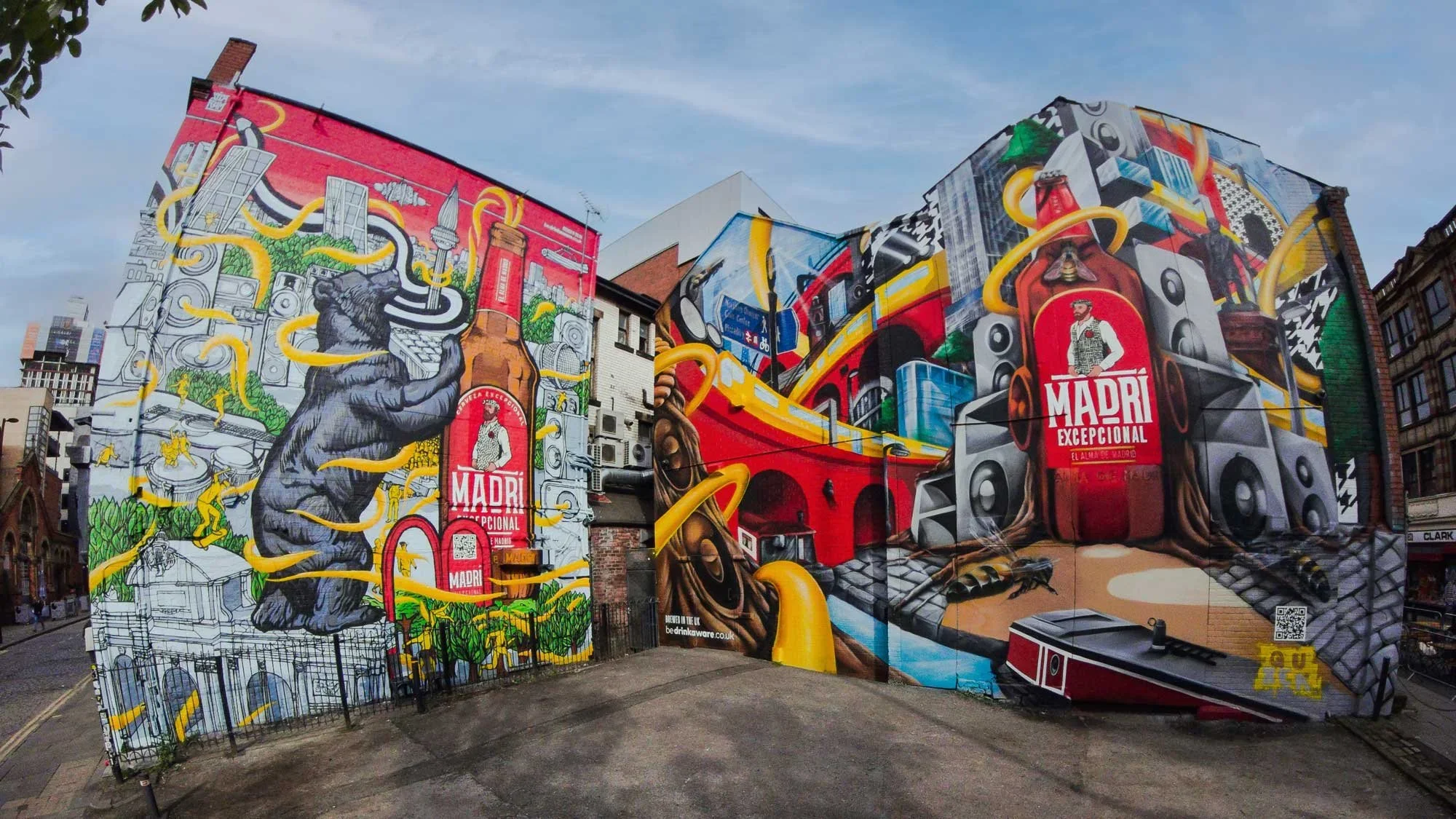
Manchester's Northern Quarter: the city's creative heartland — street art, independent record shops, coffee roasters, and the specific urban energy of a city that has been reinventing itself since the Industrial Revolution
Culture & Vibes
Manchester's character was forged in the Industrial Revolution — the world's first industrial city, the birthplace of the free trade movement, the Co-operative movement, and the Hallé (the oldest professional symphony orchestra in the UK). That instinct for reinvention has never left. The Northern Quarter (independent record shops, street art, cocktail bars, and the best coffee in the north) is the city's creative heartland. Ancoats (the world's first industrial suburb, now a neighbourhood of converted mills housing excellent restaurants) represents Manchester's most recent reinvention. Castlefield (the Roman fort and Victorian canal basin that became the world's first urban heritage park) shows the depth of the city's history beneath the modernity.
The Manchester Museum (free — outstanding natural history and world cultures collections, recently expanded), Manchester Art Gallery (free — Pre-Raphaelites, contemporary art, excellent programme), and The Whitworth (free — world-class modern and contemporary art in a park setting, outstanding café) form one of the finest free museum circuits in England outside London.
Food & Music
Mana (Ancoats — Simon Martin's Michelin-starred tasting menu, the finest restaurant in the north of England — book 2–3 months ahead), Erst (Ancoats, natural wine and excellent small plates), Bundobust (Northern Quarter, Indian street food and craft beer — always queues, always worth it), and the Mackie Mayor food hall (a converted Victorian meat market in the Northern Quarter with excellent street food vendors) are the essential stops. For music: the Manchester Arena for major acts, Band on the Wall (intimate, world music and jazz), and The Deaf Institute for the most interesting programme in the city.
Experience Snapshot
The Waterfront City — The Beatles, the Docks & One of Britain's Great Cultural Comebacks
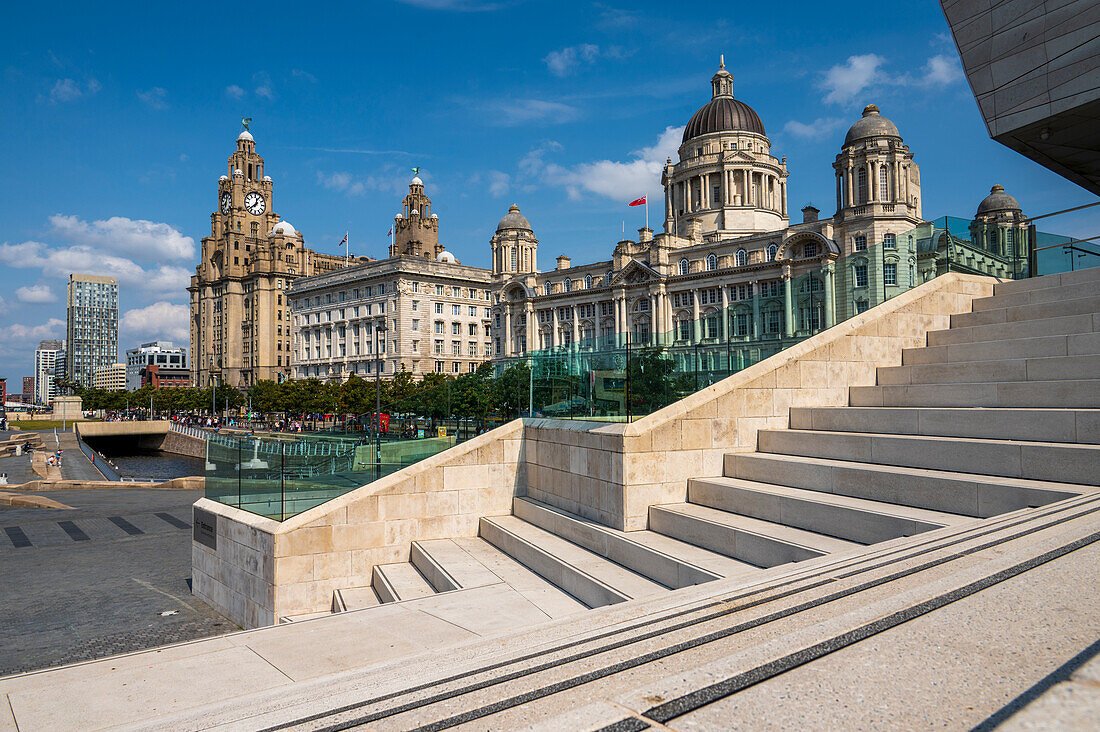
Liverpool's Three Graces at dusk: the Royal Liver Building, the Cunard Building, and the Port of Liverpool Building — the Edwardian waterfront that greeted every ship crossing the Atlantic and one of Britain's most instantly recognisable skylines
Culture & Vibes
Liverpool's waterfront — the Pier Head, the Three Graces, and the Albert Dock — is a UNESCO World Heritage Site and one of Britain's finest urban waterfronts. The Albert Dock (the world's first non-combustible warehouse complex, 1846, now housing Tate Liverpool, the Merseyside Maritime Museum, the International Slavery Museum, and the Beatles Story) is the physical heart of Liverpool's reinvention. The Beatles Story (the world's largest Beatles museum — comprehensive, moving, and excellent) and the Magical Mystery Tour (bus tour to Penny Lane, Strawberry Field, and the childhood homes of Lennon and McCartney) are the essential pilgrimage. Strawberry Field (the real Salvation Army garden from the song, now a visitor centre and social enterprise) is one of the most quietly moving music heritage sites in the world.
Liverpool has two extraordinary cathedrals: the Anglican Cathedral (the largest cathedral in Britain, Sir Giles Gilbert Scott — the same architect as Battersea Power Station and the red telephone box — its interior scale is breathtaking and free to enter) and the Metropolitan Cathedral (the "Mersey Funnel" — a 1960s circular Modernist building whose interior is one of the most dramatic sacred spaces in England).
Food & Art
The Art School Restaurant (Liverpool's finest, located in the original Victorian art school, exceptional seasonal menu), Manifest (independent, creative, Baltic Triangle), and the Baltic Market (street food hall in the creative Baltic Triangle district) represent the best of Liverpool's evolving food scene. Tate Liverpool (free permanent collection, strong Turner Prize connection), the Walker Art Gallery (free — one of the finest permanent art collections in England outside London, outstanding Pre-Raphaelites), and the World Museum (free — outstanding natural history and world cultures) form an exceptional free museum circuit.
Experience Snapshot
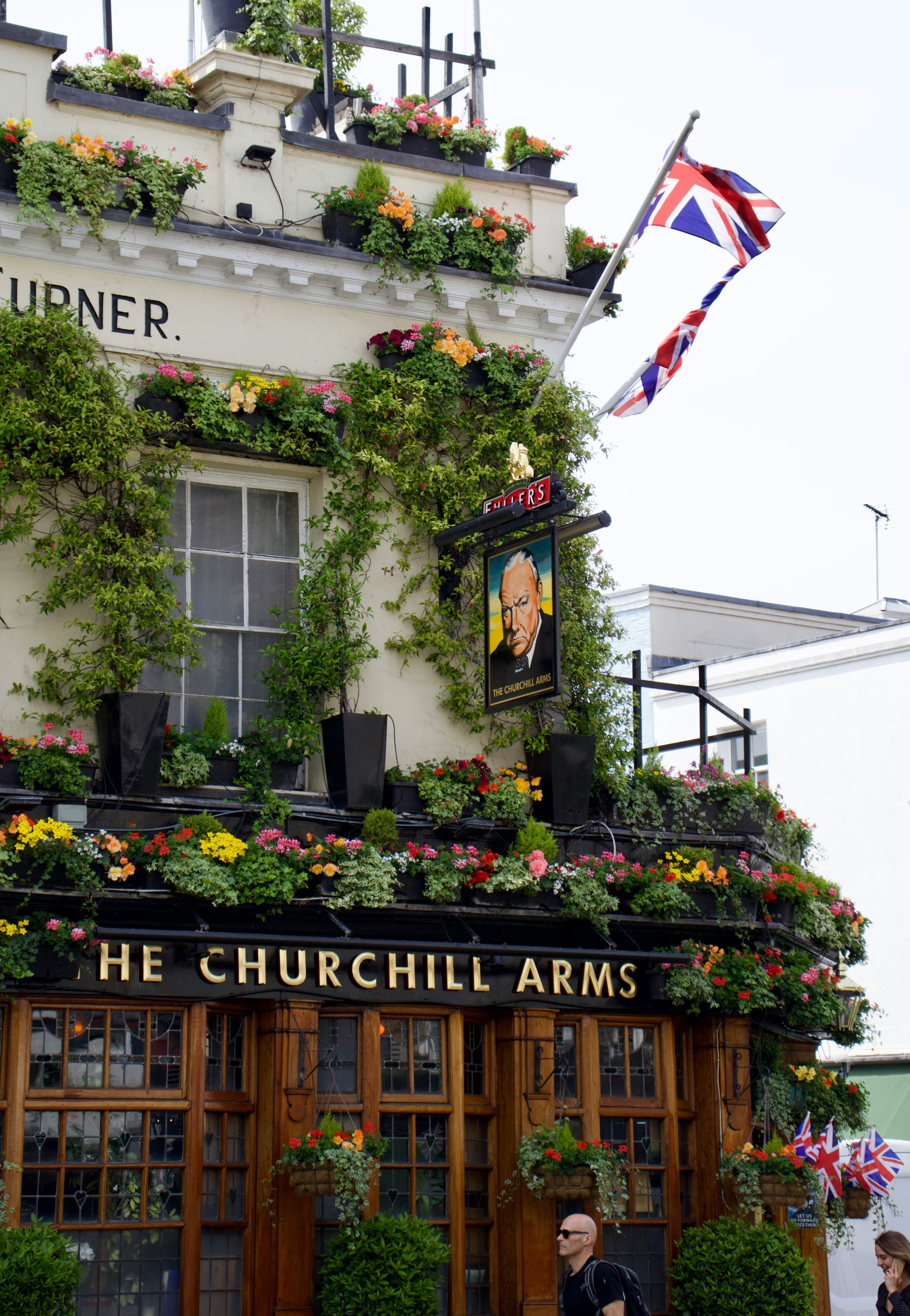
The United Kingdom rewards travellers who move slowly between places — the train journeys are as good as the destinations, and the country pub at the end of a Cotswolds walk is as important as anything in a guidebook
Getting There & Around
Flights: London Heathrow is one of the world's busiest airports — well served from North America (British Airways, Virgin Atlantic, American, Delta, United, Air Canada direct from most major US and Canadian cities), from Europe, and from beyond. London Gatwick, Stansted, Luton, and City airports serve additional routes. Edinburgh, Manchester, and Birmingham also receive transatlantic flights. Flight time from New York: approximately 7 hours. From Los Angeles: 10 hours.
Trains: Britain's intercity rail network is excellent and the most pleasurable way to travel between cities. Key journey times from London: Edinburgh 4.5 hours (LNER), Manchester 2 hours (Avanti West Coast), Liverpool 2.5 hours, Bristol/Bath 1.5 hours, York 2 hours, Oxford 1 hour. Book in advance on Trainline or the relevant train operating company's website — advance tickets can be dramatically cheaper than walk-up fares. The BritRail Pass (for non-UK residents, purchased before arrival) offers good value for multi-city itineraries.
Driving: Essential for the Cotswolds, the Scottish Highlands, and any rural itinerary. Drive on the left. Speed limits: 30mph in towns, 60mph on single-carriageway roads, 70mph on motorways. London driving is emphatically not recommended — the Congestion Charge, parking costs, and the Underground make it unnecessary.
Money & Practicalities
Currency: Pound Sterling (£). Scotland uses the same currency (Scottish banknotes are legal tender throughout the UK, though occasionally refused in England — use them or exchange at a bank). Credit and debit cards (contactless) are accepted almost everywhere — many places are now cashless. ATMs widespread. Tipping: 10–12.5% in restaurants (often added automatically as a "service charge" — check before adding more), not expected in pubs when ordering at the bar. Electricity: British three-pin plugs (Type G), 230V. Emergency number: 999.
Suggested Itineraries
7 days (Classic England): London (3 nights) + Cotswolds (2 nights) + Bath (1 night) + Oxford (1 night, return to London). 10 days (England & Scotland): London (3) + York (1) + Edinburgh (3) + Glasgow (2) + flight home from Glasgow. 14 days (Grand Tour): London (3) + Bath and Cotswolds (2) + Oxford (1) + Manchester (1) + Liverpool (1) + York (1) + Edinburgh (3) + Glasgow (2). All itineraries use trains between cities — no car required. Add the Scottish Highlands as a 2–3 day extension from Edinburgh or Glasgow for the most dramatic landscape in the British Isles.
The United Kingdom is never quite what you expect.
The weather surprises you (sometimes pleasantly). The food surprises you (consistently well).
The warmth of a Glaswegian, the precision of a Bath Georgian terrace,
the specific light on the Cotswolds at six o'clock on a May evening —
these things do not translate. They simply have to be found.