
Travel Guide
South Africa
Cape Town | Stellenbosch | Kruger & Sabi Sands
Johannesburg | Pretoria | Durban | Gqeberha
Safari · Wine · Culture · Where to Stay, Eat & Explore
Welcome to South Africa
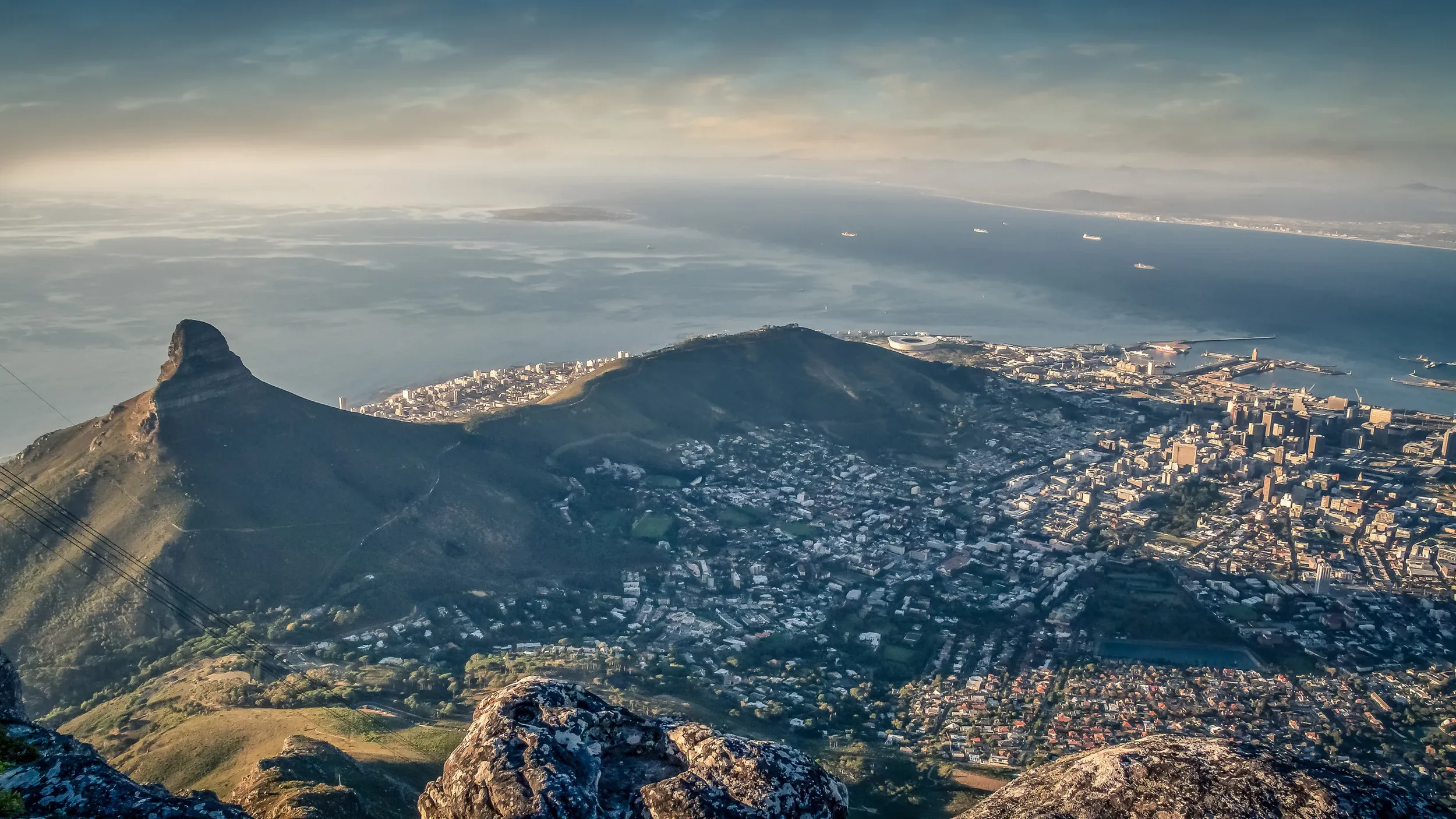
South Africa is a country of staggering range — in landscape, culture, cuisine, and human story. Within a single journey you can watch lions hunt at dawn in the world's most famous game reserve, lunch on world-class Chenin Blanc in a Cape Dutch wine estate, explore a city whose architecture was shaped by apartheid and whose art scene is shaped by what came after, and fall asleep to the sound of the Indian Ocean on a beach that has barely seen a footprint. No other country on the continent — perhaps no other country on earth — offers such extraordinary diversity in such a compact, navigable package.
This guide covers seven destinations that together tell the full South African story: the incomparable Cape Town, the Winelands of Stellenbosch, the Big Five wilderness of Kruger and Sabi Sands, the complex, creative energy of Johannesburg, the jacaranda-lined grandeur of Pretoria, the Indian Ocean warmth of Durban, and the elephant-rich Eastern Cape around Gqeberha.
Best Time to Visit
- May – September (Dry Winter): The best time for safari in Kruger and the private reserves. Vegetation is sparse, animals concentrate around waterholes, and malaria risk is lower. Cool nights, warm dry days. The Cape experiences its rainy season — pack layers for Cape Town in winter.
- October – April (Summer): Cape Town and the Winelands are at their magnificent best — warm, dry, and spectacular. The Western Cape's beaches, hiking, and wine estates are perfectly timed. Kruger and Limpopo are hot, humid, and malarial in summer — possible but harder going.
- September – October: The shoulder sweet spot — game viewing still excellent, Winelands beginning to warm, and the Western Cape not yet at peak summer prices.
- October (Pretoria): Jacaranda season — the city turns entirely purple and is one of Africa's great seasonal spectacles.
- Cape Town: November–March for beach and outdoor life. April–May for the harvest (wine country). June–August is rainy — beautiful but plan for indoor days.
- Kruger & Sabi Sands: May–September is peak safari. The dry season concentrates wildlife magnificently. July–August are the most popular months — book 12+ months ahead for premier camps.
- Johannesburg & Pretoria: Year-round. October for jacarandas in Pretoria. Avoid December–January school holidays for calmer city travel.
- Durban: April–August is warm and dry — the Indian Ocean is perfect. December–January is the South African school holiday peak — beaches are crowded.
- Gqeberha & Addo: Year-round — the Eastern Cape is malaria-free and has one of South Africa's most moderate climates. No bad time to visit.
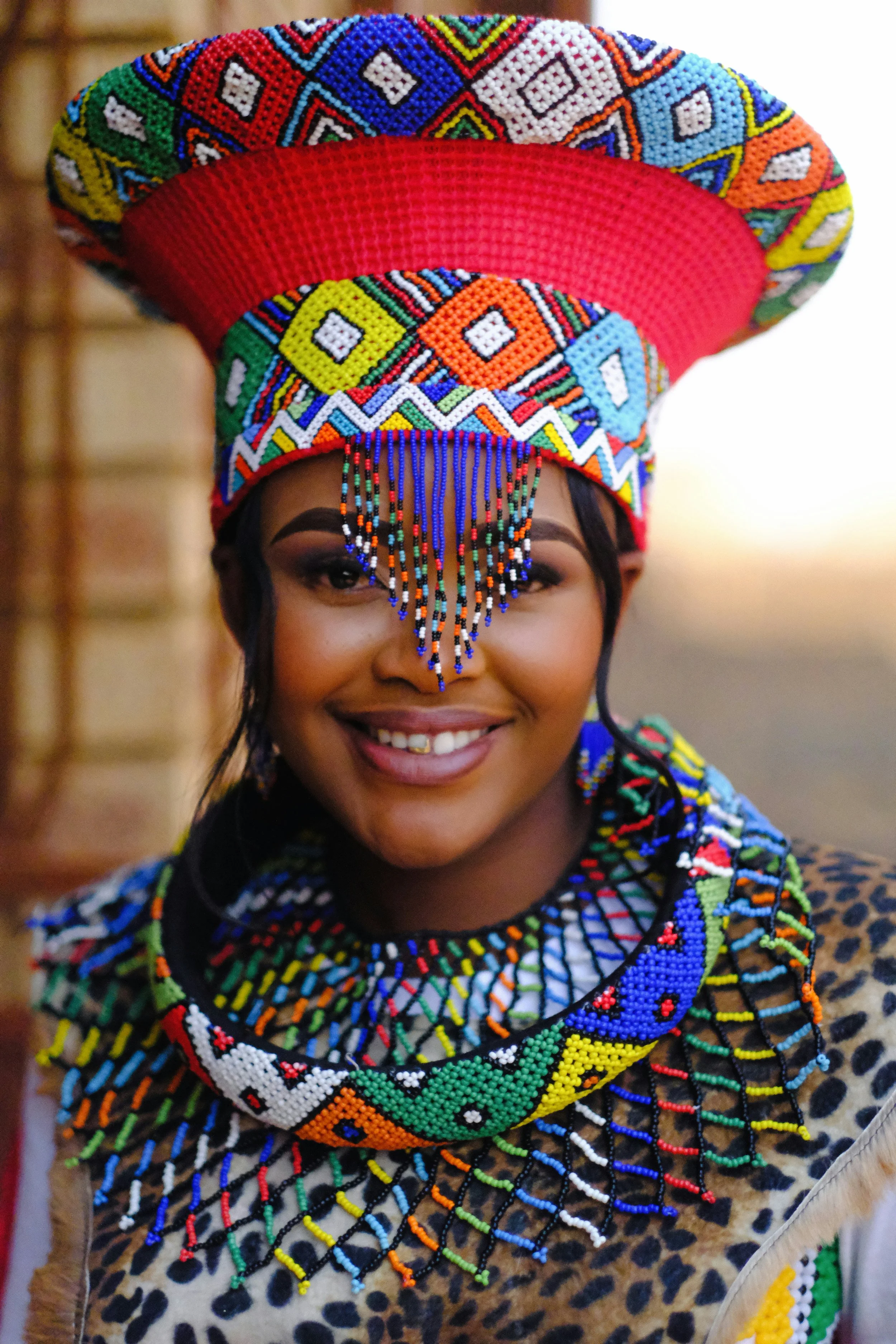
South Africa's 11 official languages hint at its extraordinary cultural complexity — a Rainbow Nation in the truest sense, shaped by indigenous African, Dutch, British, Malay, Indian, and many other heritages
Culture & Context
South Africa has 11 official languages and a cultural complexity that rewards curiosity and humility in equal measure. The country's recent history — apartheid formally ended in 1994 with Nelson Mandela's election as the first democratic president — is inseparable from any meaningful travel experience here. The townships, the constitutional architecture, the Truth and Reconciliation Commission, the extraordinary creativity that emerged from oppression, and the ongoing journey toward an equal society are all visible and present in every city you visit.
South Africa is simultaneously one of the world's most unequal societies and one of its most resilient and culturally rich. Engaging with it honestly — taking the Soweto tour, visiting the Apartheid Museum, eating in local restaurants, taking guides from the communities you are visiting — transforms a beautiful holiday into something genuinely meaningful.
Food & Drink — What to Know
Braai (barbecue) is the national ritual — more than cooking, it is a social institution that crosses all cultural boundaries. Boerewors (spiced farmer's sausage), biltong (air-dried spiced meat — the South African answer to jerky, infinitely better), bunny chow (Durban's iconic hollowed-out loaf filled with curry — one of the great street food inventions), bobotie (Cape Malay spiced minced meat with egg custard topping — the unofficial national dish), pap (maize porridge, the staple starch), and malva pudding (sticky apricot sponge, eaten warm with custard) are the dishes to seek out. South Africa's wines — particularly Chenin Blanc, Pinotage, and Syrah from Stellenbosch and Swartland — are among the world's most exciting and undervalued.
The Mother City — Africa's Most Beautiful City, Unequivocally
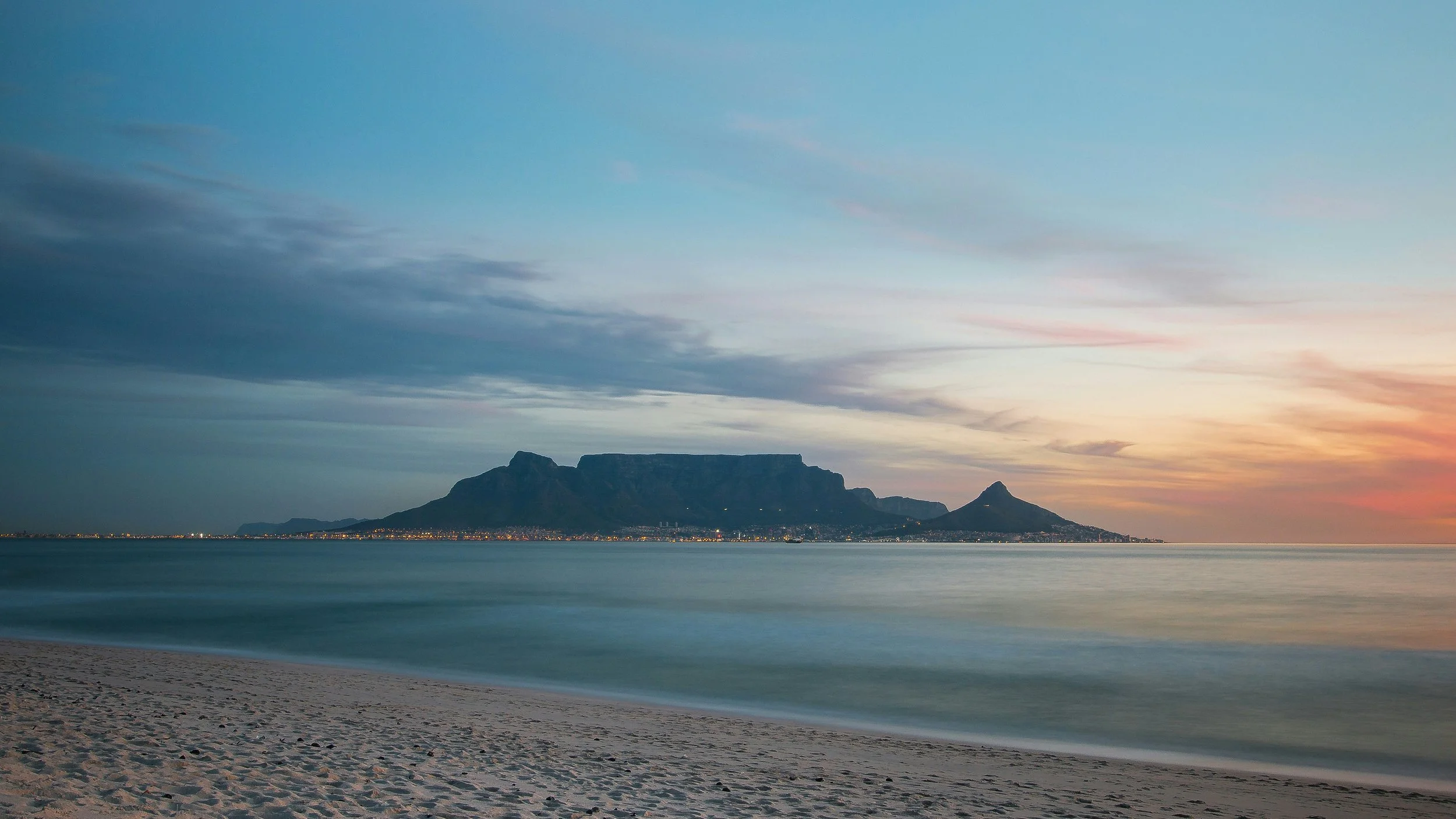
Table Mountain at last light — the flat-topped sandstone massif that has defined Cape Town's identity for millennia, now a UNESCO World Heritage Site and the backdrop for one of the world's great cities
Culture & Vibes
Cape Town is a city of extraordinary beauty and uncomfortable contradictions — both of which make it utterly compelling. Table Mountain watches over neighbourhoods ranging from the colourful Cape Malay houses of Bo-Kaap to the creative buzz of Woodstock and the Biscuit Mill market, from the glamorous Atlantic Seaboard (Camps Bay, Clifton) to the painful realities of the Cape Flats townships. The city does not hide its complexity, and that honesty is part of what makes it one of the world's most interesting places to spend time.
The V&A Waterfront is the city's social hub — a working harbour ringed with restaurants, craft markets, galleries, and the departure point for Robben Island ferries. The City Bowl below the mountain has some of Africa's best restaurants, wine bars, and design shops. Constantia and the southern suburbs offer wine estates, forest walks, and a quieter, greener Cape Town within 30 minutes of the centre.
Food
Cape Town has one of the world's most exciting restaurant scenes — small for its size, deeply creative, and driven by extraordinary local ingredients. The Test Kitchen (Luke Dale-Roberts's legendary tasting menu — one of Africa's finest restaurants, book months ahead) is the pinnacle. La Colombe in Constantia is equally exceptional. The Pot Luck Club (sharing plates, Woodstock rooftop) and Harbour House at Kalk Bay (fresh line fish on the ocean) are essential experiences. For the full Cape Malay experience, Biesmiellah in Bo-Kaap has been serving bobotie and denningvleis since 1969. The Saturday morning Oranjezicht City Farm Market at the V&A is the best food market in Africa.
The Peninsula
The Cape Peninsula south of the city is one of the world's great scenic drives. The Chapman's Peak Drive — a cliff-hugging road above the Atlantic — leads to Cape Point and the Cape of Good Hope, where two oceans nominally meet. Boulder's Beach near Simon's Town shelters a colony of 3,000 African penguins. The drive back via the False Bay coastline through Fish Hoek and Muizenberg (South Africa's most colourful beach huts) completes a perfect day.
Experience Snapshot
The Cape Winelands — Oak Streets, Cape Dutch Estates & World-Class Wine
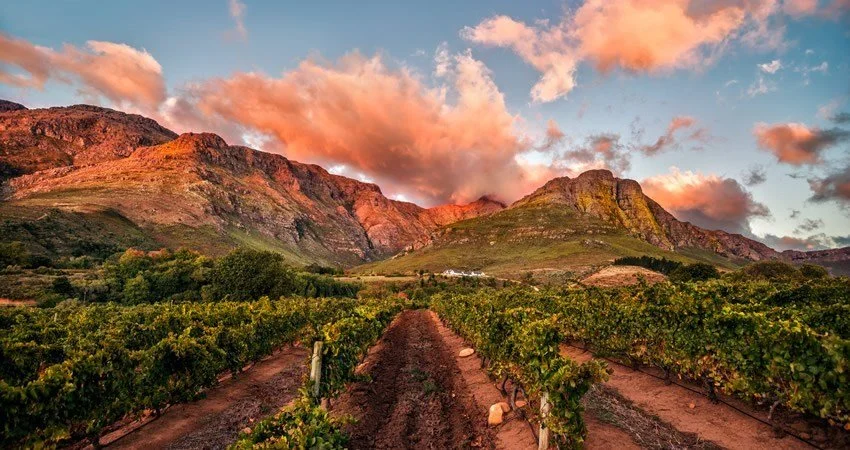
The Helderberg mountains rising above Stellenbosch's vineyards at harvest — the Cape Winelands produce some of the southern hemisphere's most exciting wines from some of its most beautiful estates
The Winelands
Stellenbosch sits at the heart of the Cape Winelands, a valley system of extraordinary beauty — the Hottentots Holland and Stellenbosch mountains framing vineyards, fruit orchards, and Cape Dutch homesteads in a landscape that looks specifically designed to be looked at. The region produces South Africa's finest reds (Stellenbosch Cabernet Sauvignon and Shiraz), its most exciting Chenin Blancs (Swartland, an hour north), and the food-friendly blends that have made Cape wine increasingly celebrated globally.
Key estates to visit: Tokara (extraordinary restaurant and deli, mountain views), Delaire Graff (luxury hotel and spa on the Helshoogte Pass, stunning), Vergelegen (Anglo American estate, historic Cape Dutch manor, one of the Cape's most beautiful properties), Kanonkop (benchmark Pinotage and Cabernet), and Mullineux in the Swartland (for the most exciting natural wine work in South Africa). Franschhoek — the "French Corner," settled by Huguenot refugees in the 17th century — offers a more intimate village feel and some of the country's finest restaurants.
Food
The Tasting Room at Le Quartier Français in Franschhoek is one of Africa's great restaurants — a tasting menu of extraordinary precision and creativity in a beautiful historic building. Tokara Restaurant (Stellenbosch, mountain terrace) and Jordan Restaurant (estate dining, award-winning) are the other essential reservations. The Stellenbosch Slow Market (Saturday mornings) is one of South Africa's finest food markets — local cheese, charcuterie, baked goods, and every Cape Malay spice blend you will ever need.
Experience Snapshot
The Big Five & Beyond — Africa's Most Accessible Premier Safari Destination
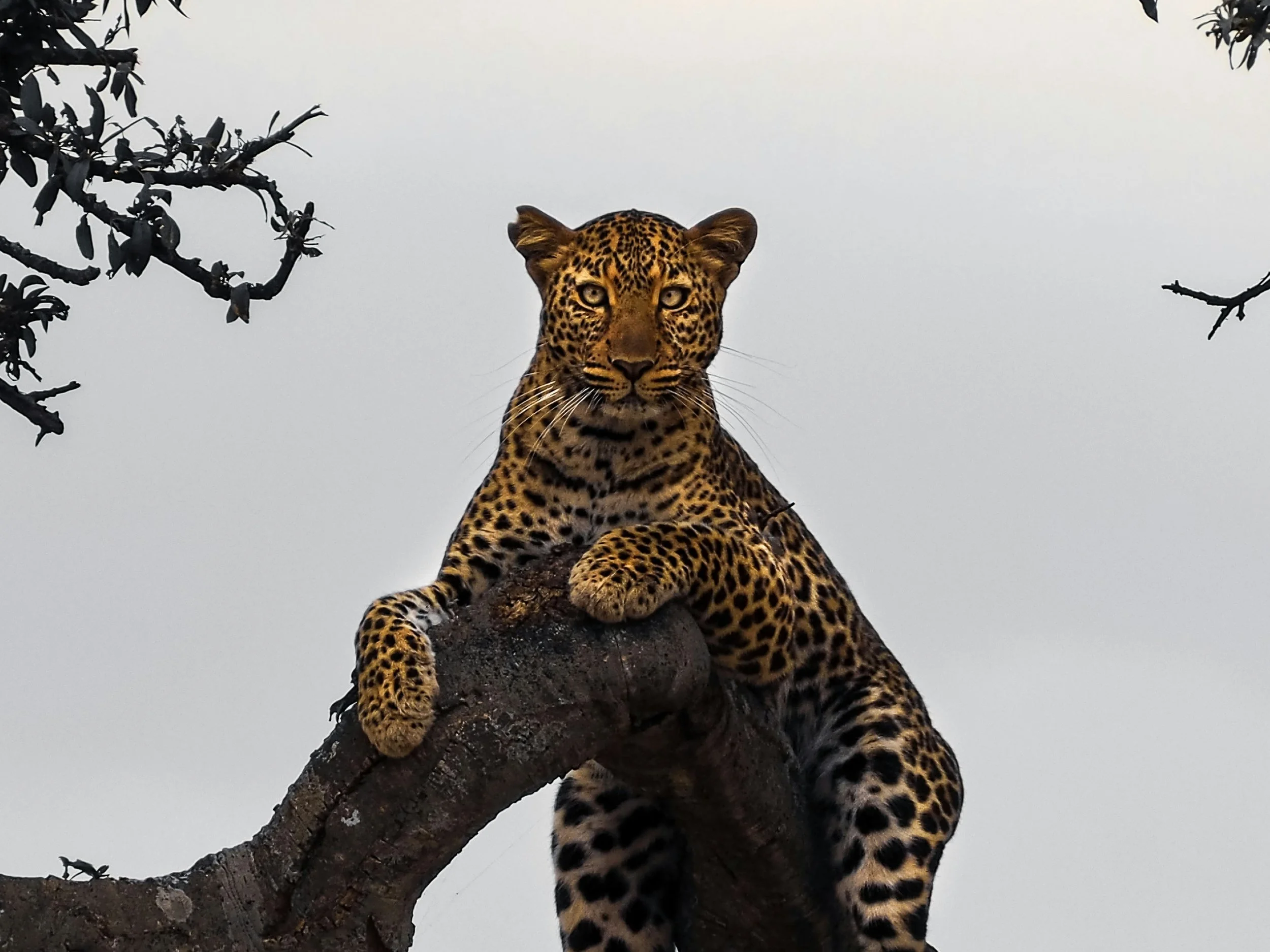
A leopard at dusk in the Sabi Sands — the private reserve adjoining Kruger has the highest density of leopard of any protected area in Africa, and sightings here are almost guaranteed
Kruger National Park vs Private Reserves
Kruger National Park is one of Africa's great conservation success stories — 20,000 km² of pristine bushveld managed by SANParks, accessible by self-drive from the southern gates (Numbi, Malelane, Crocodile Bridge) or northern gates near the private reserves. The public rest camps (Skukuza, Berg-en-Dal, Satara) offer comfortable self-catering accommodation and guided morning walks. Wildlife sightings in Kruger are excellent — but roads are shared with other visitors and off-road driving is not permitted.
The private reserves along Kruger's western boundary — particularly Sabi Sands (arguably the world's finest leopard viewing), Timbavati (famous white lion population), and Thornybush — offer a categorically different experience. Unlimited off-road access, no other vehicles at a sighting, night game drives, bush walks, and exceptional food and accommodation combine to create what many consider the finest wildlife experience available anywhere. The fence between Sabi Sands and Kruger is open — animals move freely across the entire ecosystem.
Planning Your Kruger Safari: What You Need to Know
Best season: May–September (dry winter) for safari. Animals concentrate around waterholes, vegetation is sparse, and sightings are dramatically easier. Malaria risk is also lower in the dry season. October and November are excellent shoulder months — the bush begins to green up, birds arrive, and impala lambing brings predator activity. December–March is hot, humid, and the most malarial period — possible but hard going.
Private reserve operators: The Sabi Sands is home to some of Africa's most celebrated camps. In the ultra-luxury tier: Singita Boulders and Ebony (consistently rated among the world's best safari lodges), Londolozi (the original Sabi Sands pioneer, extraordinary leopard heritage), Chitwa Chitwa (waterhole-facing, exceptional big cat sightings). Mid-luxury: Arathusa Safari Lodge, Sabi Sabi Bush Lodge. All rates are fully inclusive of game drives, meals, and most drinks. Book 12–18 months ahead for preferred dates.
Park fees (Kruger self-drive): SANParks daily conservation fee is approximately R392 per adult per day (non-resident rate, approximately $21 USD). Gate hours are strictly enforced — late arrival at gates carries heavy fines. Speed limits (50km/h) are enforced and sensible — driving slowly finds wildlife. Night driving is not permitted on public roads in Kruger.
Getting there: Fly into Skukuza Airport (inside Kruger, direct from Johannesburg O.R. Tambo on SA Express — 1 hour) or Hoedspruit / Eastgate Airport (serving northern Kruger and Timbavati). Many private lodges arrange direct transfers from these airports. Self-drive from Johannesburg: 4.5–5 hours via the N4 to Numbi Gate or Crocodile Bridge Gate.
Experience Snapshot
The City of Gold — Creative, Complex & Completely Alive
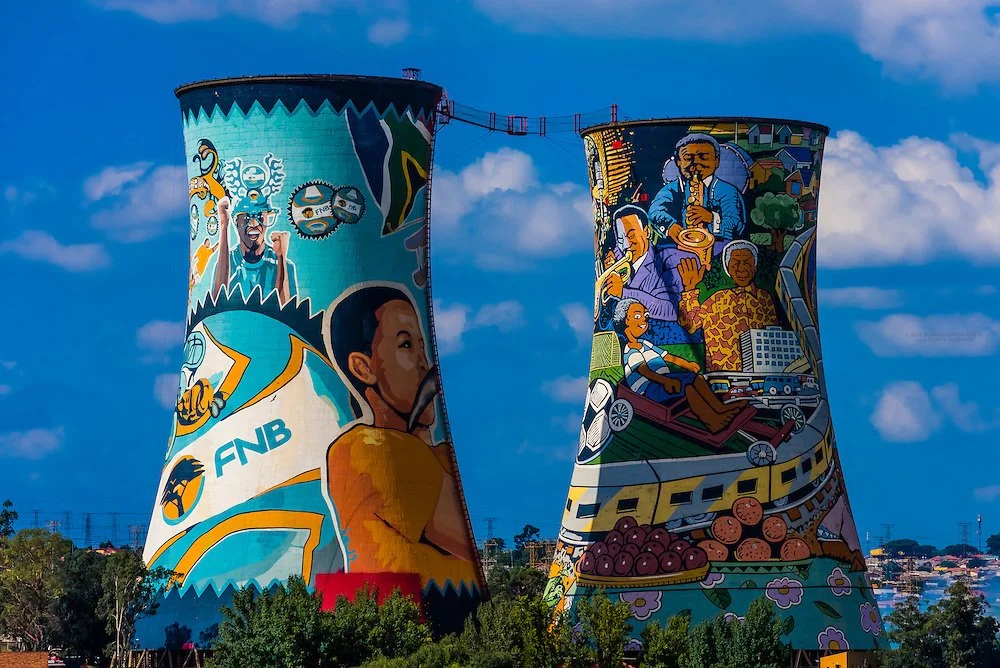
Vilakazi Street in Soweto — the only street in the world to have housed two Nobel Peace Prize winners: Nelson Mandela and Desmond Tutu, both of whose homes are now open to visitors
Culture & Vibes
Johannesburg has reinvented itself dramatically since the post-apartheid era. The formerly dangerous inner city has seen extraordinary regeneration — Maboneng (Arts on Main, the Market Theatre) is a creative precinct of galleries, studios, restaurants, and weekend markets that rivals anything in Cape Town. Rosebank and Sandton are the upmarket commercial and restaurant hubs. But the city's most important experience is still Soweto — a township of 1.3 million people, an extraordinary urban cultural landscape, and the epicentre of the anti-apartheid movement. Vilakazi Street (Mandela and Tutu's homes), the Hector Pieterson Memorial (commemorating the 1976 Soweto Uprising), and the Regina Mundi Church (which sheltered activists from police) together form one of the world's great historical circuits.
The Apartheid Museum, at Gold Reef City in the south of Johannesburg, is the finest museum in Africa and one of the world's great memorial institutions — a two-to-three hour experience that is essential context for everything else you will see in South Africa.
Food & Art
The Marabi Club in Maboneng (jazz, cocktails, extraordinary food) is Joburg's most exciting restaurant. Marble in Rosebank (wood-fired, upscale, brilliant South African ingredients) is the premium dining destination. The Keyes Art Mile in Rosebank concentrates galleries, design shops, and good restaurants in a walkable block. The Goodman Gallery (representing William Kentridge among others) and the Everard Read are the most significant commercial galleries in Africa.
Experience Snapshot
The Jacaranda City — Administrative Capital, Diplomatic Grandeur & Purple Octobers
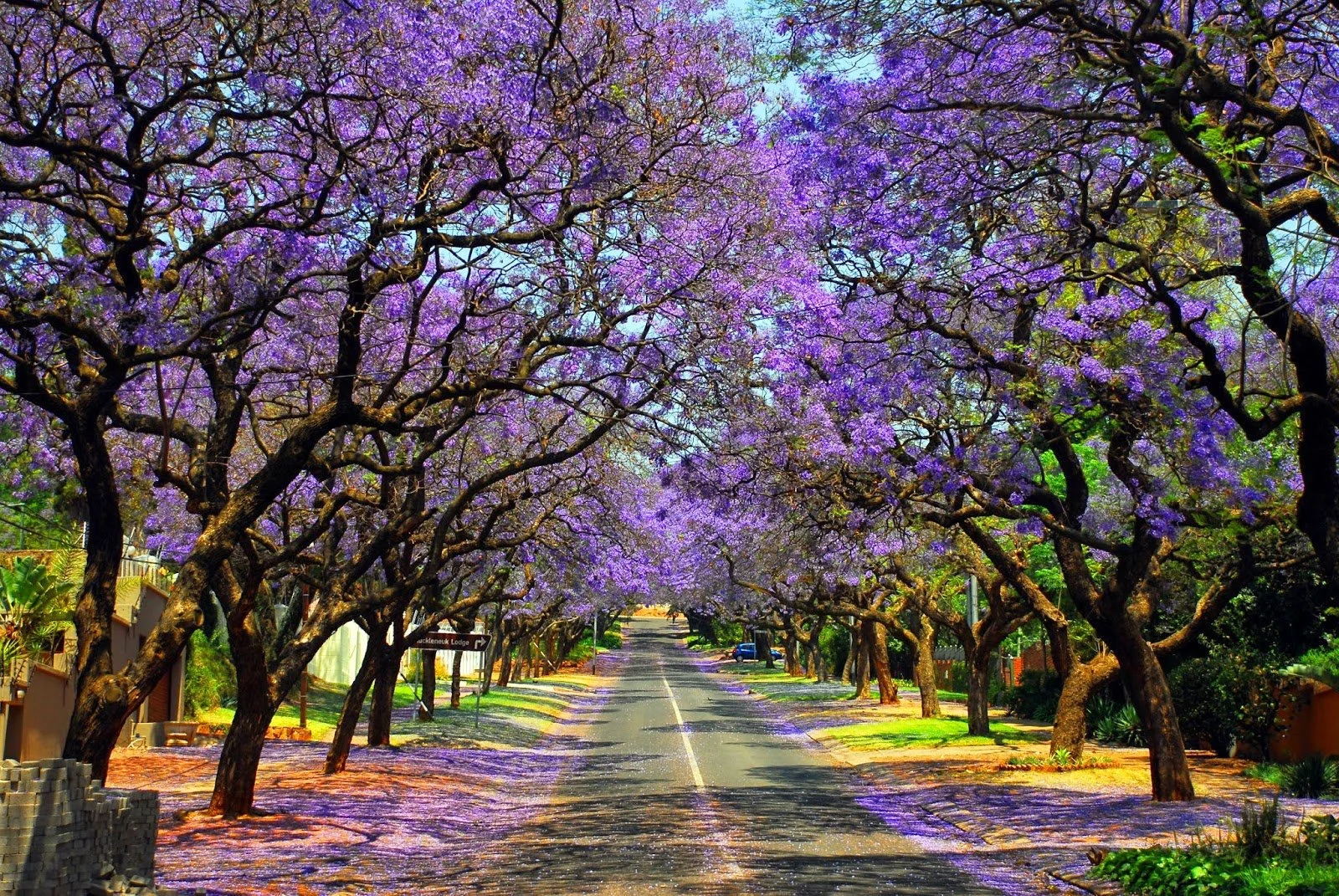
Pretoria in October: 70,000 jacaranda trees in simultaneous bloom turn the entire city an extraordinary shade of purple — one of Africa's great seasonal spectacles and one of the world's most unusual urban experiences
Culture & Sights
Pretoria is more formal and sedate than Johannesburg — a government city of wide boulevards, embassies, and institutional architecture. The Union Buildings, designed by Herbert Baker in 1913, sit on a hill above the city with sweeping gardens and the Nelson Mandela statue where he was inaugurated in 1994. Freedom Park is a moving memorial to all who died in South Africa's various conflicts — from pre-colonial times through apartheid — designed with extraordinary care and sensitivity. The Voortrekker Monument (controversial but historically essential viewing) tells the story of the Great Trek from a specifically Afrikaner perspective. The Pretoria Art Museum has one of South Africa's finest collections of local art.
The Church Square at the city's heart — where the Kruger statue stands — is surrounded by some of the finest late-Victorian architecture in Africa. The old Raadsaal (parliament), the Palace of Justice (where Nelson Mandela was tried in the Rivonia Trial), and the General Post Office create one of the most historically layered squares on the continent.
Experience Snapshot
The Indian Ocean City — Warm Water, Curry & the Soul of KwaZulu-Natal
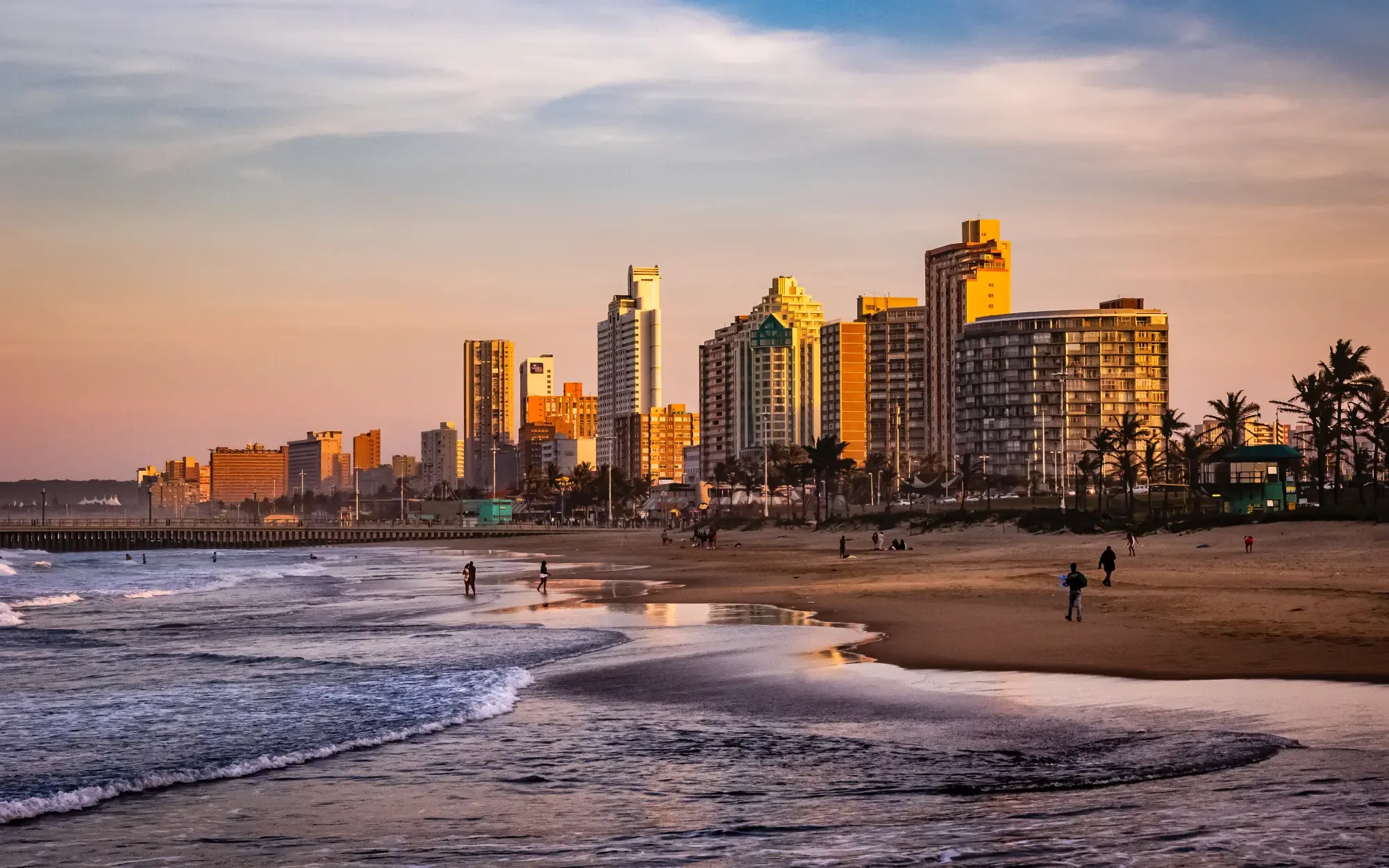
Durban's Golden Mile: Africa's most popular beach, where the warm Indian Ocean, a world-class surf break, and an effortlessly multicultural city meet in a stretch of golden sand that is uniquely, joyfully South African
Culture & Vibes
Durban is South Africa's third-largest city and its most ethnically diverse — a port city shaped by the Indian indentured labourers brought by the British in the 1860s, the Zulu nation whose heartland surrounds the city, and the city's own particular coastal energy. The Victoria Street Market (the Indian market, fragrant with spices, fabric, and fresh produce) is one of the most atmospheric markets in Africa. The Golden Mile beachfront — a long curve of warm, clean surf beach — has been recently regenerated and is again the city's great social equaliser, where all of Durban gathers on weekends.
North of the city, the iSimangaliso Wetland Park (UNESCO World Heritage) is one of Africa's most biodiverse ecosystems — hippo, crocodile, leatherback turtles, whale sharks, and some of South Africa's finest snorkelling and diving in a single, extraordinary coastal wilderness. The Drakensberg mountains to the west offer dramatic hiking, San rock art, and some of the most spectacular scenery in Africa.
Food — The Curry Capital
Durban's food culture is its single greatest asset. The South African Indian community has developed a cuisine over 150 years that is entirely its own — spicier than Indian subcontinental food, adapted to local ingredients, and centred on the bunny chow (a quarter, half, or full loaf of white bread hollowed out and filled with lamb, bean, or chicken curry — eaten without cutlery). Canteen (the best upscale Durban Indian food), Britannia Hotel in Grey Street (bunny chow institution since 1905), Roma Revolving Restaurant (rotating views, excellent seafood), and the Point Waterfront restaurants for fresh Indian Ocean seafood are the essential stops.
Experience Snapshot
The Eastern Cape — Addo Elephants, Malaria-Free Safari & the Wild Coast
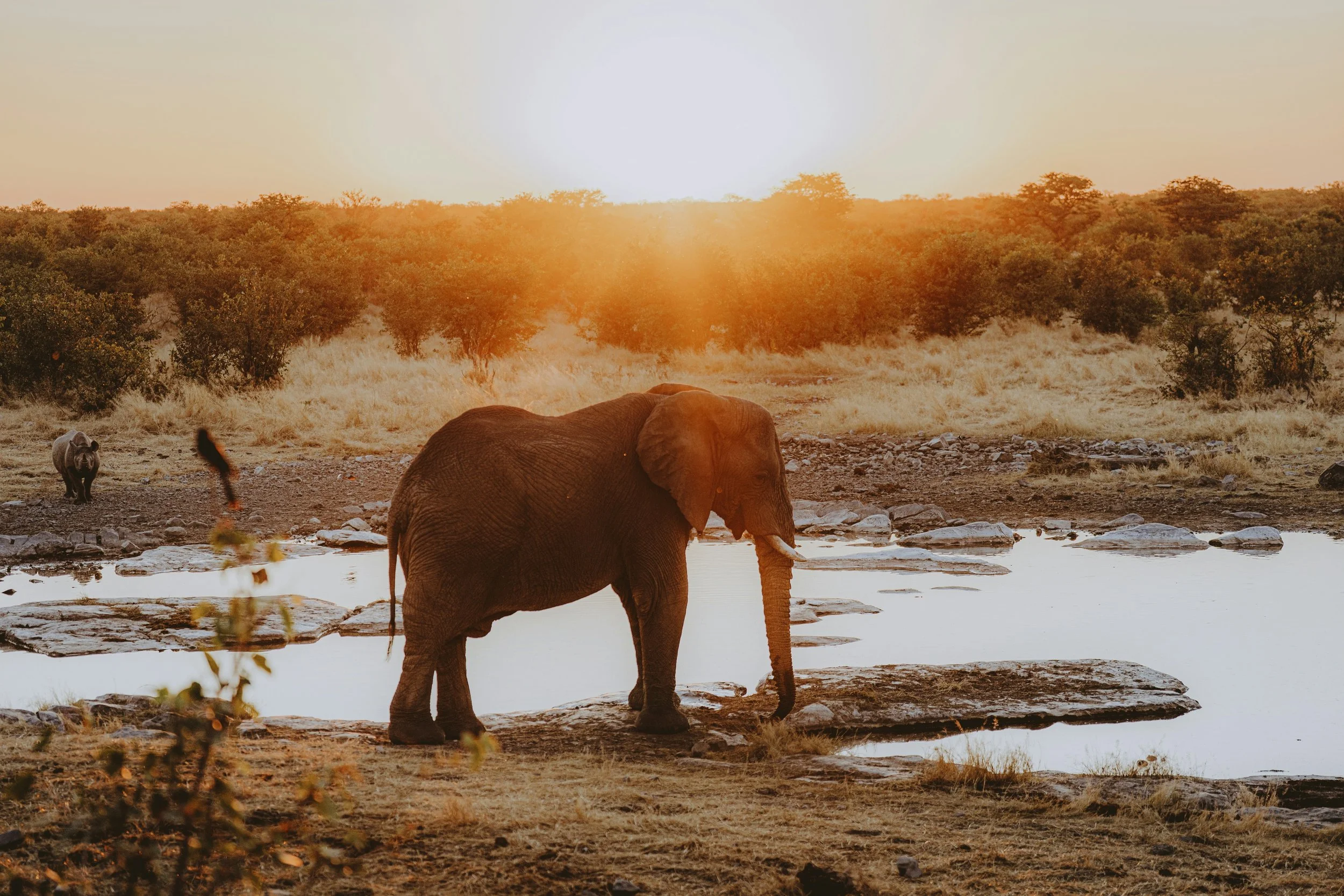
Addo Elephant National Park: home to over 600 African elephants in a malaria-free reserve 75 minutes from Gqeberha — South Africa's most accessible Big Five safari experience for families
Addo Elephant National Park
Addo is one of South Africa's conservation triumph stories. Originally established in 1931 to protect just 11 remaining elephants, the park now shelters over 600 in a Big Five reserve covering 1,640 km². The elephant density at Addo is extraordinary — you will rarely drive for more than 15 minutes without an encounter. The park also supports healthy populations of black rhino (one of South Africa's safest populations), lion, leopard, buffalo, spotted hyena, and over 400 bird species. Marine Addo (an extension of the park into the ocean) offers whale watching and great white shark cage diving from Port Elizabeth harbour seasonally.
The Garden Route stretches west from Gqeberha through Wilderness, Knysna (the lagoon, the Heads, the oysters), Plettenberg Bay, and Tsitsikamma National Park to Mossel Bay — a 300km coastal drive of extraordinary beauty and one of South Africa's most beloved road trips. Allow three to four days for the full route.
The City
Gqeberha (formerly Port Elizabeth, renamed in 2021 to its Xhosa name) is a port city with a significant anti-apartheid history — Steve Biko, the Black Consciousness leader who died in police custody in 1977, was from the Eastern Cape. The Steve Biko Centre in nearby King William's Town is a deeply moving memorial. In the city, the Nelson Mandela Metropolitan Art Museum houses a good collection of Eastern Cape art, and the historic Donkin Reserve (pyramid, lighthouse, Victorian terraces) is the city's most elegant precinct.
Experience Snapshot
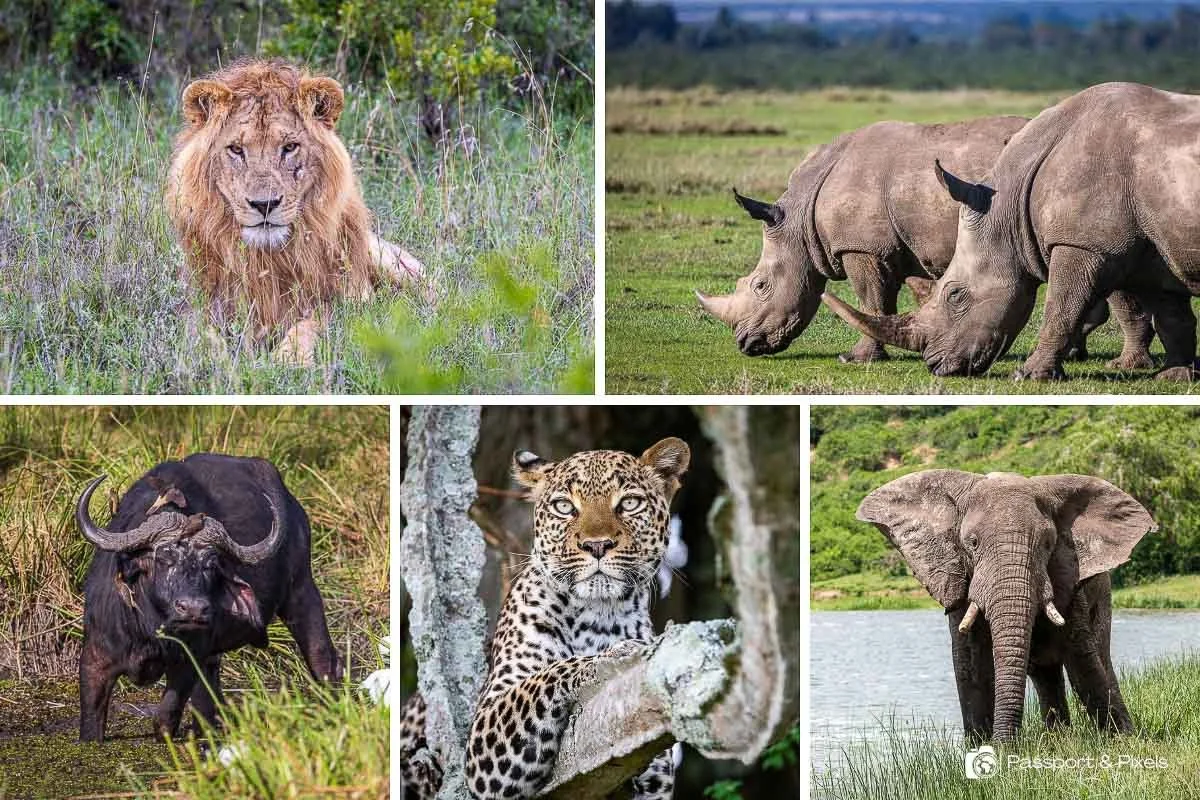
South Africa rewards the traveller who lingers — in a wine estate at harvest, in the bush at golden hour, on a Cape Peninsula beach at the end of the day
Getting There & Around
International flights: O.R. Tambo International Airport (Johannesburg) is Africa's busiest hub and the main entry point for South Africa. Cape Town International and King Shaka International (Durban) also receive direct international flights. South African Airways, British Airways, Virgin Atlantic, Delta, Emirates, Qatar, and Lufthansa all serve Johannesburg. Flight time from London: approximately 11 hours. From New York: approximately 15 hours.
Domestic flights: South Africa's domestic network (FlySafair, Airlink, CemAir, SA Express) is excellent and affordable. Johannesburg–Cape Town is a 2-hour flight, one of the world's most competitive domestic routes. Driving: South Africa has excellent roads and driving is on the left. A self-drive Garden Route, Cape Peninsula, or Winelands itinerary is highly recommended. For safari, a hired vehicle and driver or guided tour is advisable — off-road conditions in Kruger require experienced navigation.
Visas & Entry
Citizens of the EU, UK, USA, Canada, and Australia do not require a visa for visits of up to 90 days. Your passport must be valid for at least 30 days beyond your departure date and have at least two blank pages. If travelling with children, carry original birth certificates and, if applicable, a parental consent letter — South Africa's border control is strict about unaccompanied minors and children travelling with one parent.
Health & Safety
Malaria: Malaria risk exists in Limpopo (Kruger region) and KwaZulu-Natal (iSimangaliso area) from October to April. The Eastern Cape (Addo), Western Cape, Gauteng, and KwaZulu-Natal coast are malaria-free. Consult your doctor about prophylaxis 6 weeks before departure if visiting Kruger in summer. Safety: South Africa requires standard urban common sense — avoid displaying valuables, do not walk in unfamiliar areas at night, and use reputable transport. The tourist areas of Cape Town, the Winelands, and private safari reserves are very safe. Follow your hotel's local guidance on specific neighbourhoods.
Money & Currency
The currency is the South African Rand (ZAR). ATMs are widespread throughout the country. Credit cards (Visa, Mastercard) are accepted almost universally in cities, restaurants, and tourist businesses. Cash is useful for markets, tipping, and rural areas. Tipping is important — 10–15% in restaurants, R50–100 per day for safari guides and camp staff, R20–50 for hotel porters. The rand is currently favourable against major currencies — South Africa offers excellent value for international visitors.
Suggested Itinerary Combinations
7 days: Cape Town (4 nights) + Stellenbosch / Winelands (2 nights) + Kruger or Addo (additional nights as extension). 10 days: Cape Town (3) + Winelands (2) + Johannesburg/Soweto (1) + Sabi Sands private reserve (3) + Zanzibar extension optional. 14 days: Cape Town (3) + Garden Route self-drive (3) + Gqeberha/Addo (2) + Johannesburg (2) + Kruger/Sabi Sands (3) + Durban day stop. Happy to build a custom itinerary around your travel style and timeline.
South Africa is not a single country.
It is eleven languages, five biomes, three oceans, thirty years of democracy,
and the most extraordinary, complicated, beautiful, humbling journey
that any continent has to offer.