
Travel Guide
Senegal
Dakar | Gorée Island | Lac Rose & the Petite Côte
Sine-Saloum Delta | Saint-Louis
Teranga · Heritage · Music · Where to Stay, Eat & Explore
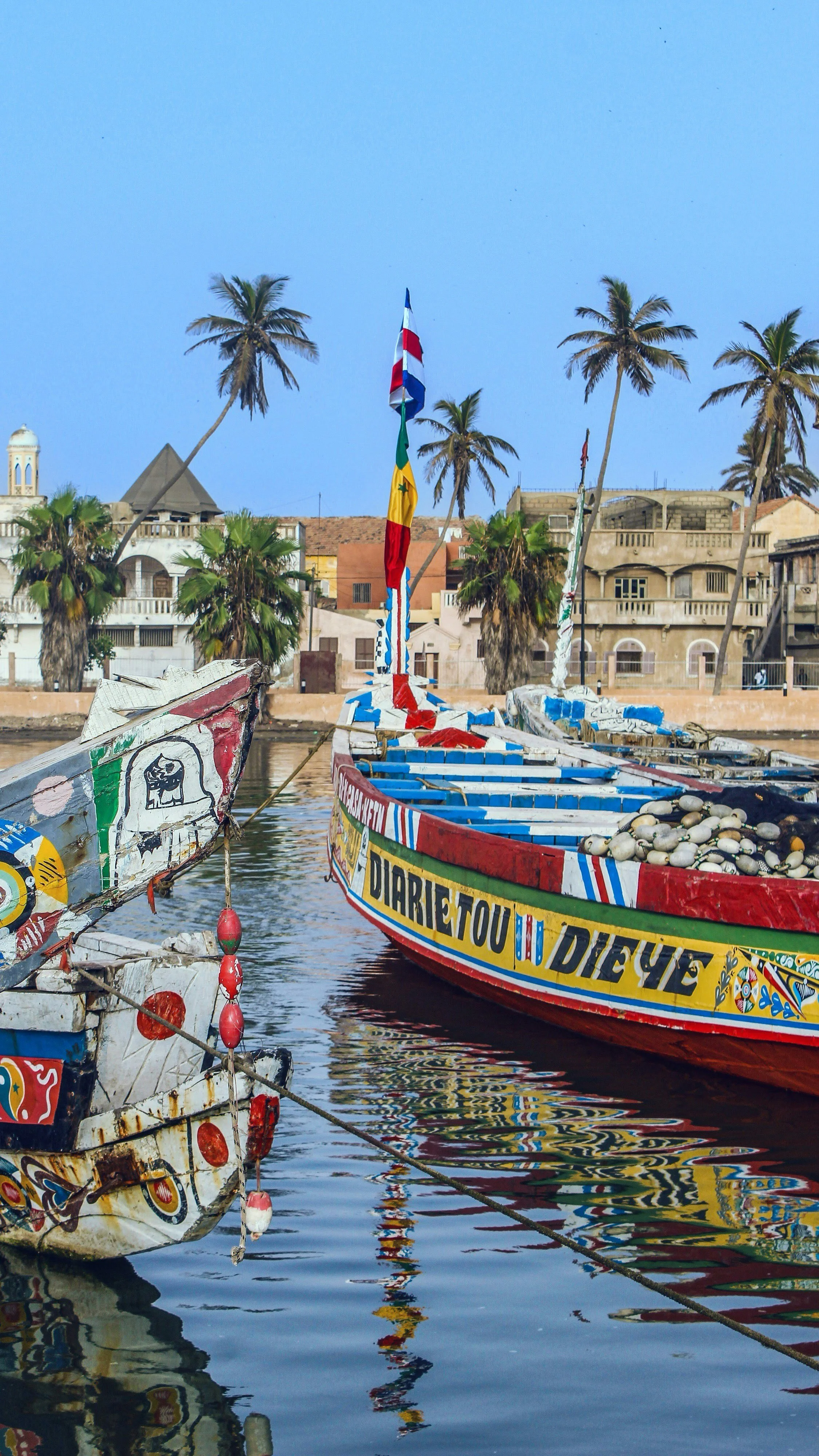
Welcome to Senegal
Senegal is known across Africa for teranga — the Wolof word for hospitality — and you will feel it from your very first meal. This is a peaceful, proud and deeply creative country: the land of the poet-president Léopold Sédar Senghor, of Youssou N'Dour and the irresistible rhythm of mbalax, of bold wax-print fashion and a contemporary art scene that is the envy of the continent.
This guide covers five distinct experiences: the energetic Atlantic capital of Dakar; Gorée Island, one of the world's most important sites of remembrance; the pink waters of Lac Rose and the beaches of the Petite Côte; the mangrove-laced Sine-Saloum Delta; and the faded colonial elegance of Saint-Louis. For heritage travellers in particular, Senegal is a profound and joyful homecoming.
Best Time to Visit
- November – May (Dry Season): The best time to visit. Sunny, comfortable days, cooler Atlantic breezes in Dakar, and very little rain. Peak birding season in the north.
- June: Heat and humidity begin to build. A good shoulder month with fewer visitors.
- July – October (Rainy Season): Hot, humid and green, with heavy afternoon downpours. Some lodges in the Saloum Delta close or reduce services.
- December – February: The harmattan wind can bring Saharan haze, especially inland.
- Djoudj National Bird Sanctuary is at its best from November to April, when millions of migratory birds arrive from Europe.
- The Saint-Louis Jazz Festival is usually held in late May or early June.
- Senegal is a majority-Muslim country. Ramadan and Korité (Eid al-Fitr) and Tabaski (Eid al-Adha) are major celebrations — joyful to witness, but expect some closures and busy roads.
- Pack light, modest clothing, a light layer for breezy Dakar evenings, and good insect repellent.
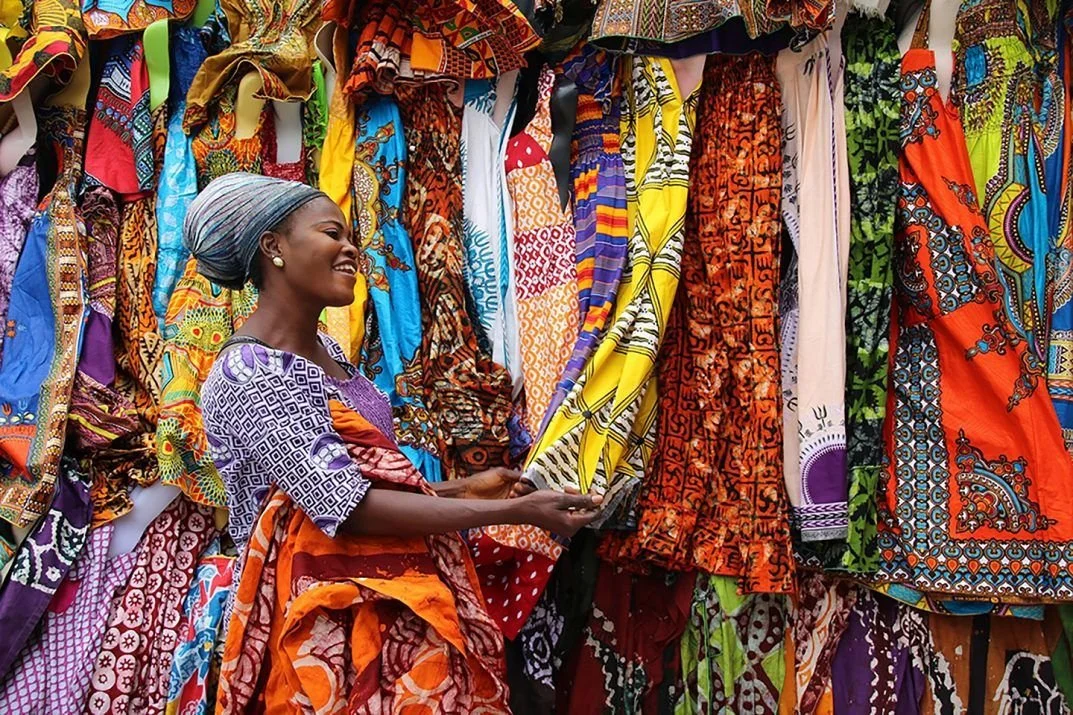
Wax-print fabrics at a Dakar market — choose your cloth in the morning and a tailor can have an outfit ready within days
Culture & Character
Senegal is one of West Africa's most stable democracies and a country of remarkable religious harmony. Most Senegalese are Muslim, many belonging to Sufi brotherhoods such as the Mourides, whose spiritual capital is the holy city of Touba; a significant Christian minority lives alongside them, and mixed families are common. Wolof is the everyday language, and French is widely spoken.
Hospitality is a point of national pride. You will be invited to share attaya — strong, sweet green tea poured in three rounds, each with its own meaning — and probably a meal. Greetings matter: take time to say hello properly, and use your right hand to give, receive and eat.
Food & Drink — What to Know
Senegalese food is generous, flavourful and built around sharing from a single large platter. Thieboudienne (fish with broken rice and vegetables in a rich tomato sauce) is the national dish. Yassa (chicken or fish marinated in lemon and slow-cooked with caramelised onions), mafé (a rich peanut stew), thiebou yapp (rice with meat), and pastels (fried fish turnovers) are essential. Drink bissap (hibiscus juice), bouye (creamy baobab-fruit juice), ginger juice and café Touba (coffee spiced with grains of Selim).
Africa's Westernmost City — Art, Music & Atlantic Energy
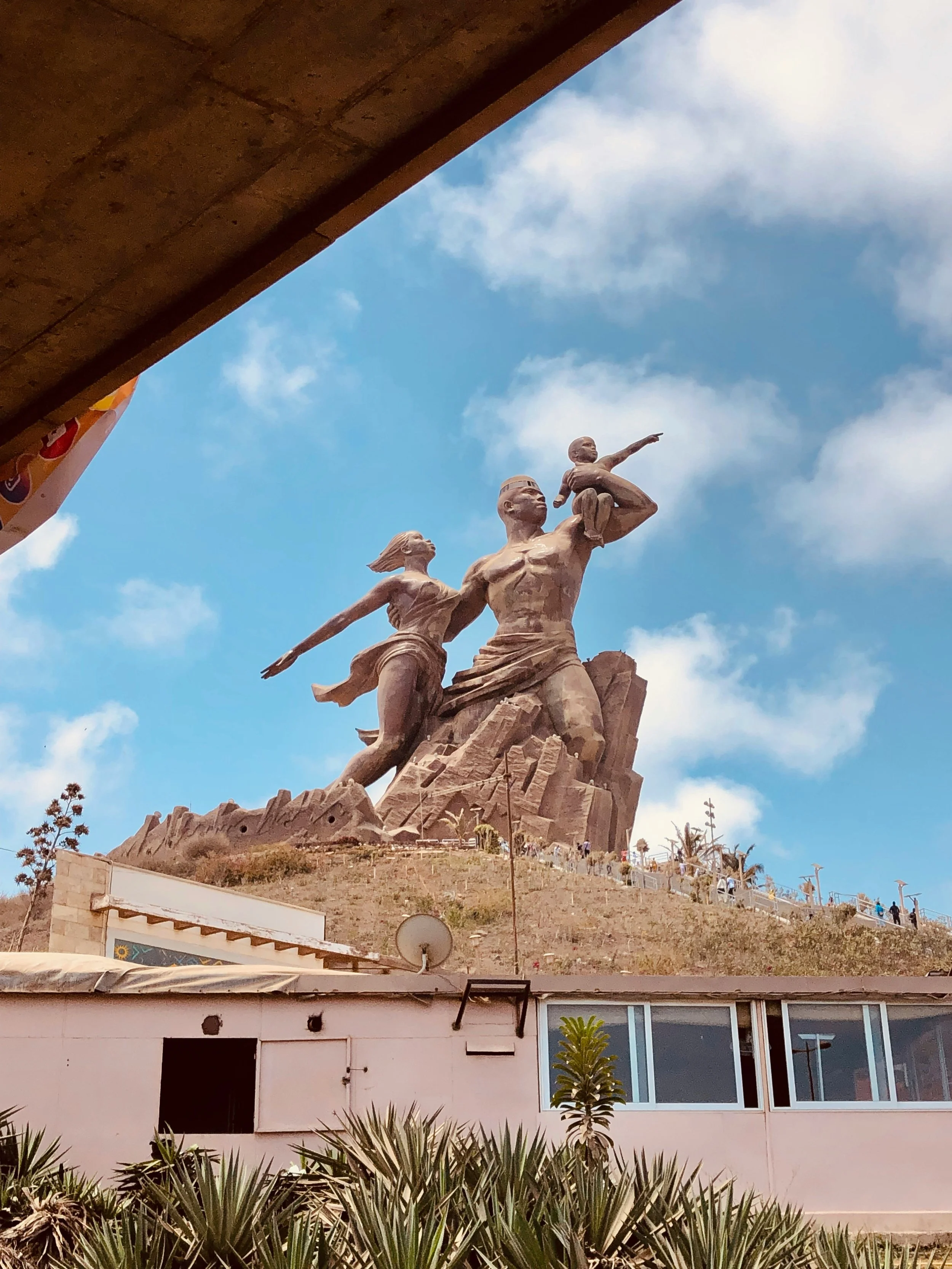
The African Renaissance Monument — at 49 metres, one of the tallest statues in the world, overlooking the Atlantic
Culture & Vibes
Dakar sits on the Cap-Vert peninsula, the westernmost point of mainland Africa, with ocean views around almost every corner. Start at the Museum of Black Civilisations, which opened in 2018 to tell the story of African and diaspora cultures, and the Théodore Monod Museum of African Art. Climb (or take the lift) to the top of the African Renaissance Monument for sweeping views.
The markets are an experience in themselves: Marché Kermel for crafts and produce, HLM Market for wax-print fabric, and Soumbédioune, where fishing pirogues return at sunset to a bustling fish market. Visit artists at the Village des Arts, take the short boat to Ngor Island for grilled fish and swimming, and catch live mbalax — your guide will know who is playing.
Food
Must Try: Thieboudienne at lunchtime (it is traditionally a midday dish), yassa poulet, fresh grilled thiof (white grouper), and a glass of cold bissap. For a sunset table, the restaurants along the Corniche and in Les Almadies serve the day's catch overlooking the ocean.
Experience Snapshot
A Place of Remembrance — The House of Slaves & the Door of No Return
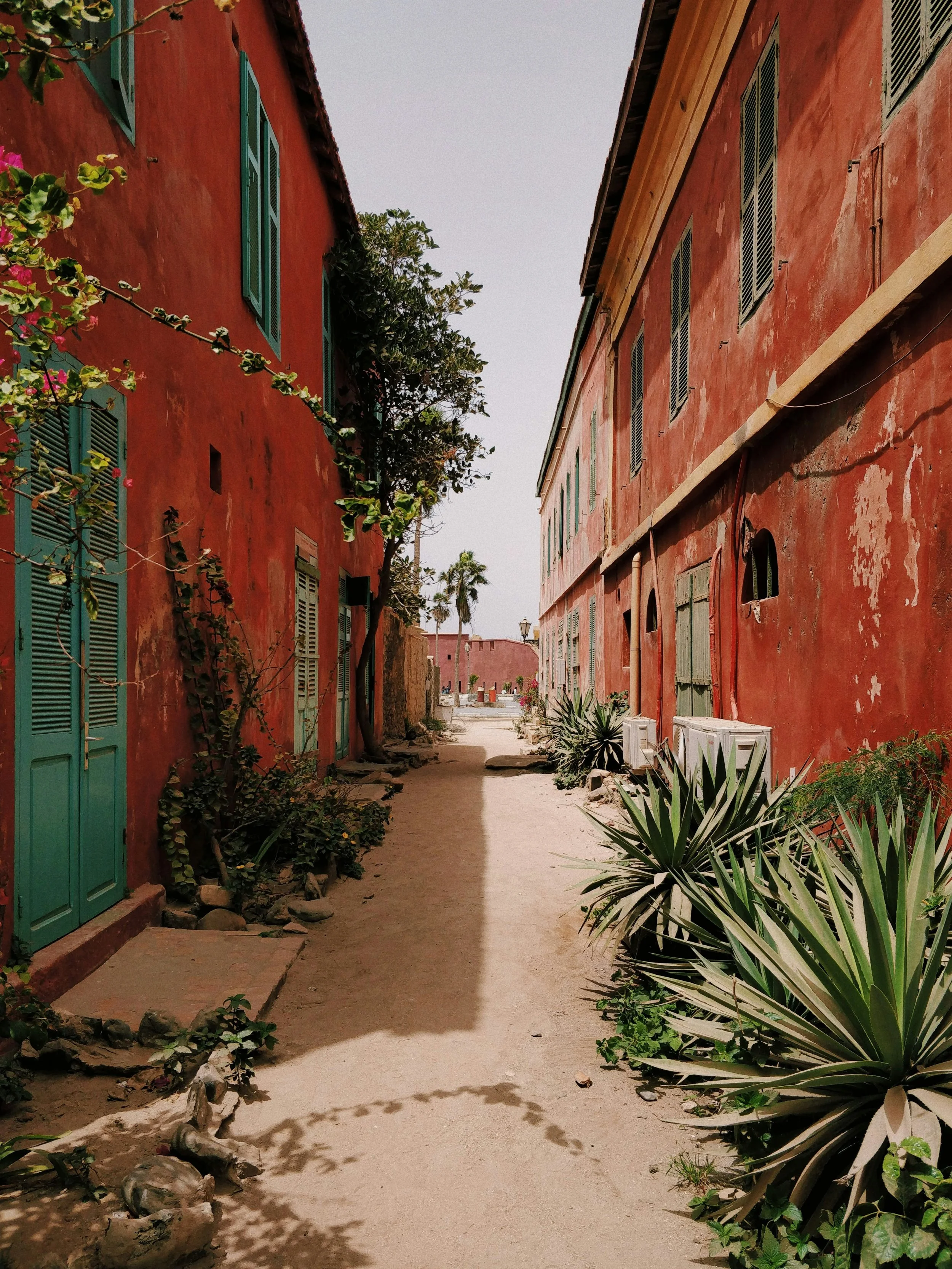
Gorée's pastel houses and bougainvillea belie its history — this tiny island is one of the world's most important places of remembrance
The Heritage
Understanding Gorée
For more than three centuries, Gorée was a trading post controlled in turn by the Portuguese, Dutch, British and French. The Maison des Esclaves (House of Slaves), built in the late 18th century, has become a global symbol of the suffering of the transatlantic slave trade, with its narrow cells and the 'Door of No Return' opening onto the sea. Historians continue to debate how many enslaved people passed through this particular house, but its power as a memorial is undeniable, and it has been visited by leaders from Nelson Mandela to Barack Obama.
Visit with a licensed guide, move slowly, and give yourself time afterwards. Many visitors leave flowers, pray, or simply sit quietly by the sea.
Culture & Vibes
Beyond the memorial, Gorée is surprisingly gentle: car-free lanes, sand-art and painting studios, children playing football on the beach, and views back to the Dakar skyline. Walk up to the old fortifications on the Castel for panoramic views, and visit the Historical Museum in the island's fort.
Experience Snapshot
Pink Waters, Baobabs & Easy Beach Days
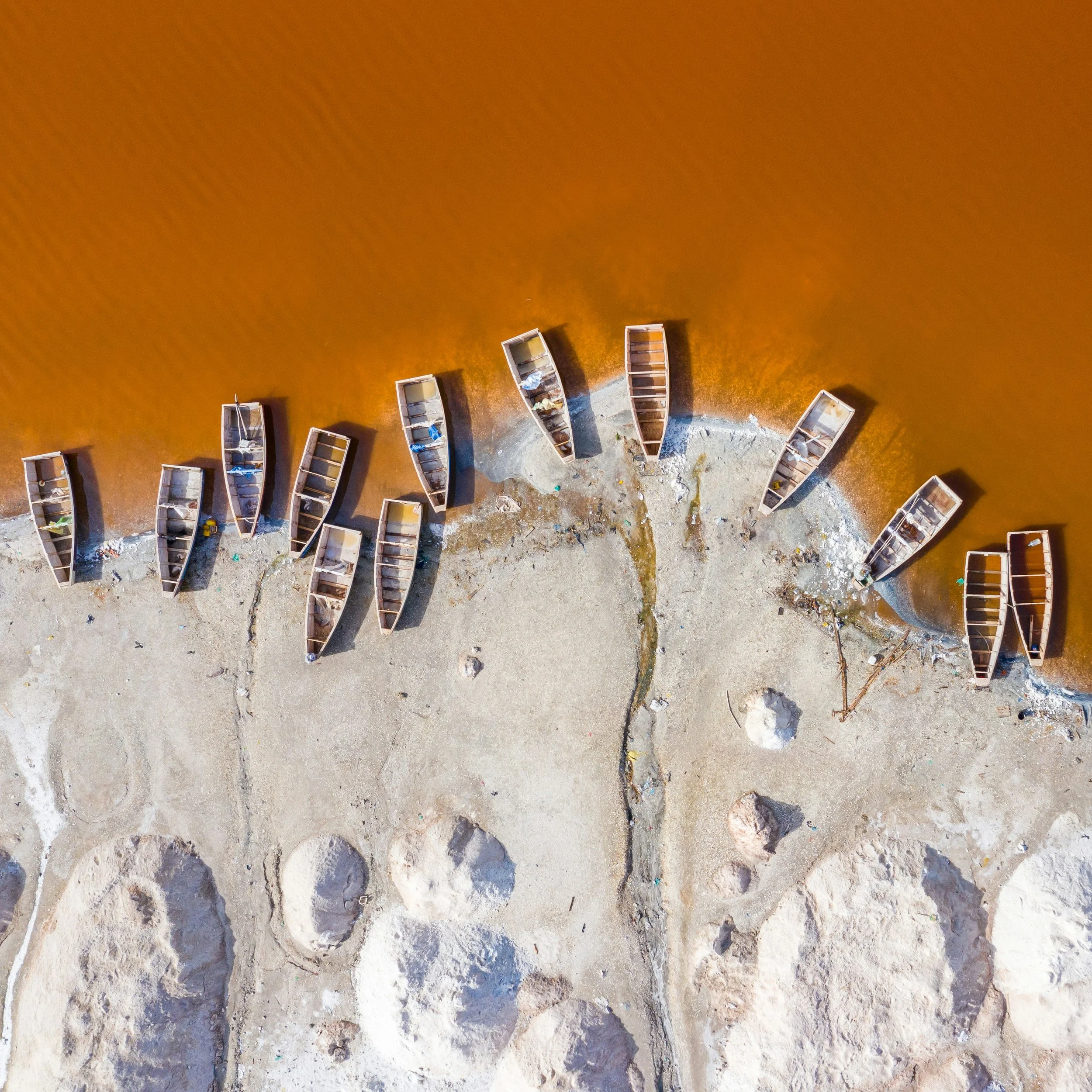
Lac Rose (Lake Retba), where salt harvesters work waters tinted pink by microscopic algae
Culture & Vibes
About an hour from Dakar, Lac Rose owes its pink colour to salt-loving algae; it is at its most vivid on sunny days in the dry season. Watch salt harvesters at work, then ride a 4x4 over the dunes to the ocean.
South of Dakar, the Petite Côte stretches through the resort towns of Saly and Somone, with its peaceful lagoon. Nearby, the Bandia Reserve offers easy game drives among giraffes, rhinos, zebras and ancient baobabs — some of them centuries old.
Food
Grilled lobster, prawns and fish straight from the pirogues, with yassa and fresh juices on the beach. Somone's lagoon-side restaurants are perfect for a long, lazy lunch.
Experience Snapshot
Mangroves, Shell Islands & Life on the Water
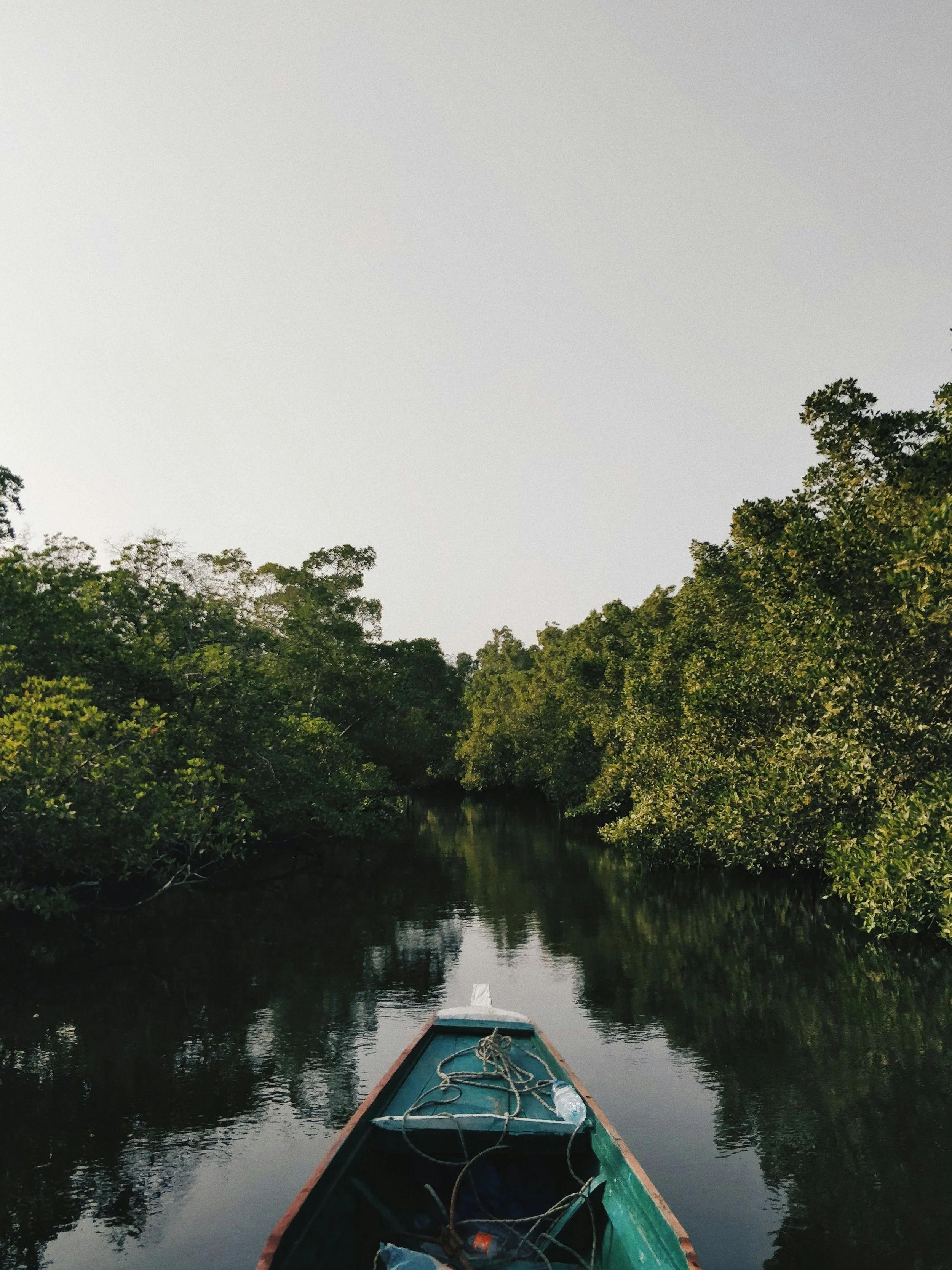
Gliding by pirogue through the Saloum Delta's mangrove channels — a UNESCO World Heritage landscape
Culture & Vibes
Where the Sine and Saloum rivers meet the Atlantic, more than 200 islands are threaded together by mangrove creeks. Days are spent by pirogue — fishing, birdwatching (pelicans, flamingos, herons and kingfishers), visiting island villages, and swimming from sandbanks.
Do not miss Joal-Fadiouth, an island built on centuries of accumulated shells and linked to the mainland by a long wooden footbridge; its cemetery, shared by Muslims and Christians, is a moving symbol of Senegal's religious harmony. In the south of the delta, the Fathala Wildlife Reserve offers game drives in protected woodland.
Food
Oysters harvested from the mangrove roots, grilled fish, rice dishes and fresh fruit — often served right on the water's edge.
Experience Snapshot
The Old Colonial Capital — River Light, Jazz & Millions of Birds
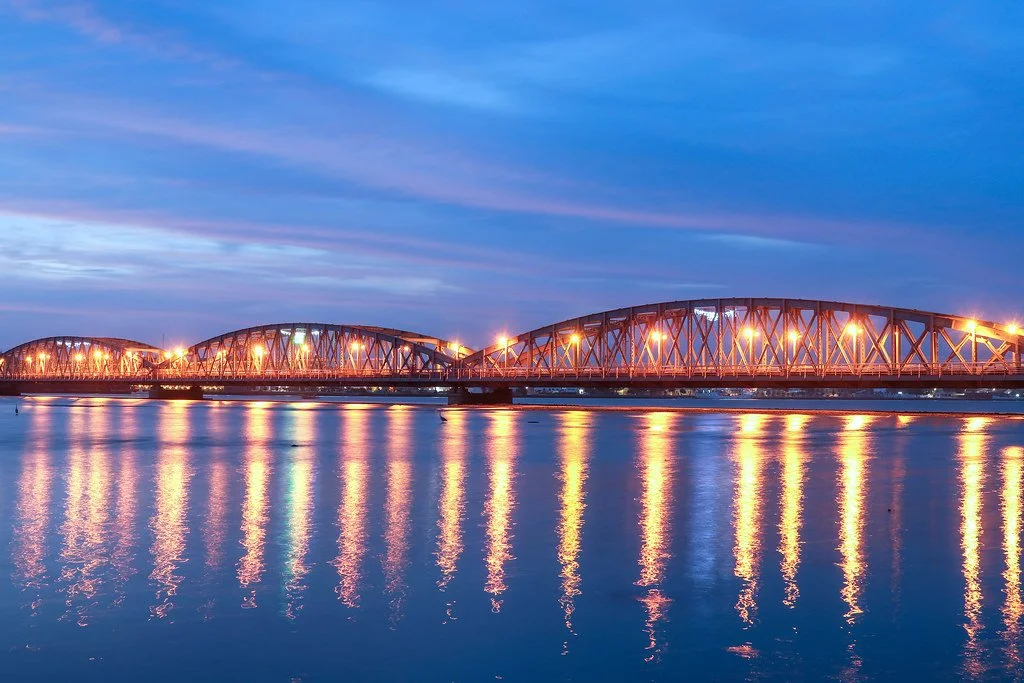
The Faidherbe Bridge, gateway to Saint-Louis's UNESCO-listed island town
Culture & Vibes
Founded by the French in the 17th century, Saint-Louis was the capital of French West Africa and later of Senegal. Its old town sits on a narrow island in the Senegal River, reached by the iron Faidherbe Bridge. Explore by horse-drawn carriage past balconied houses in ochre and pastel, then cross to Guet Ndar, the fishing quarter, where hundreds of painted pirogues line the beach.
Nearby, Djoudj National Bird Sanctuary — also a UNESCO site — hosts millions of migratory birds between November and April, including great white pelicans and flamingos. The Langue de Barbarie national park, a long sand spit between river and ocean, is lovely by pirogue.
Food
Saint-Louis is said to be the birthplace of thieboudienne, so this is the place to try it. Riverside restaurants serve fresh fish, and the town's cafés have an old-world charm.
Experience Snapshot
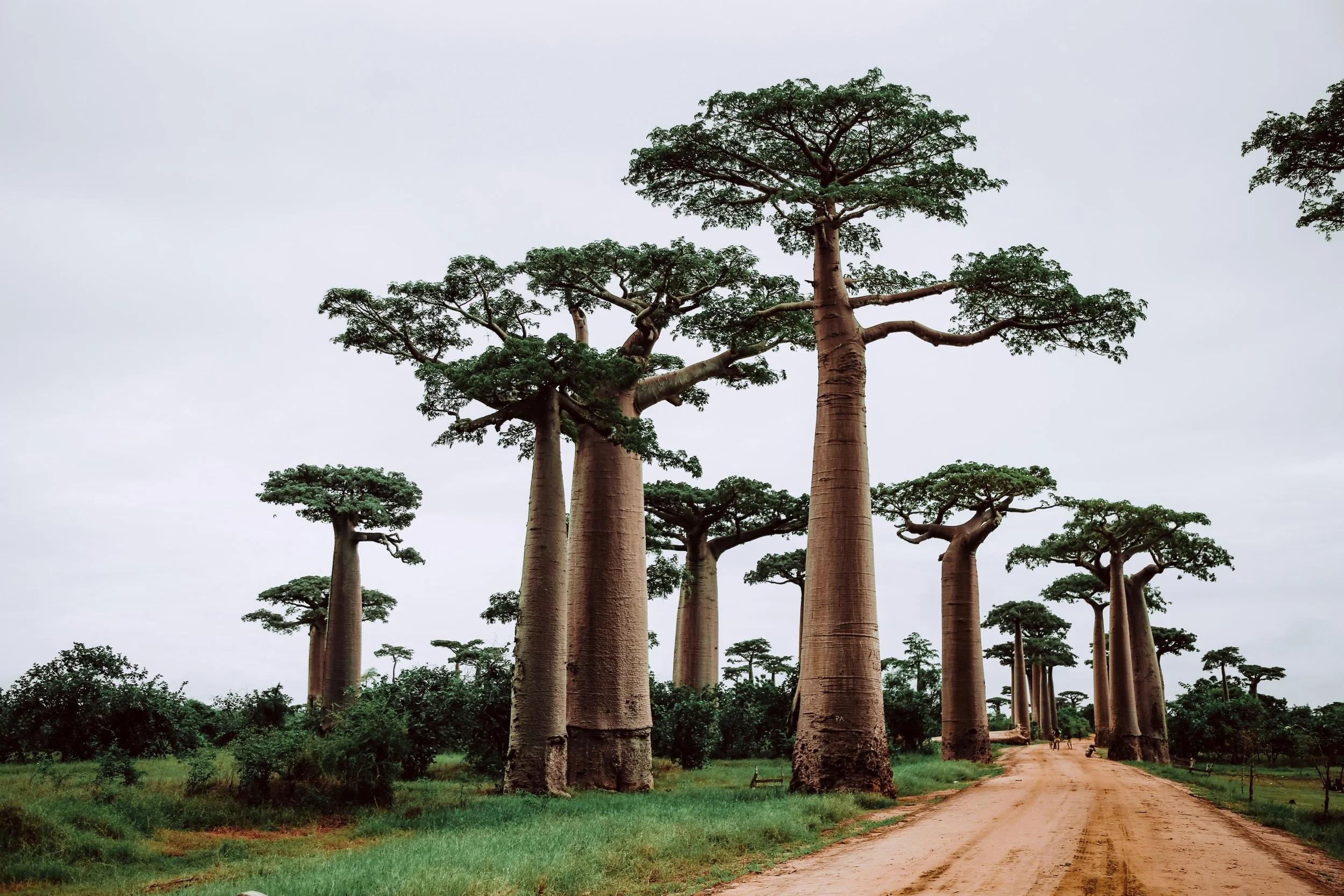
Ancient baobabs — Senegal's national symbol — stand watch across the countryside
Getting There & Around
Flights: Nonstop flights connect New York (JFK) with Dakar's Blaise Diagne International Airport, about an hour from the city. Domestic travel: A private car and driver is the easiest way to explore. The ferry from Dakar to Gorée takes about 20 minutes. Saint-Louis is four to five hours north by road, and the Saloum Delta three to four hours south.
Visas & Entry
US citizens do not need a visa for tourist stays of up to 90 days. Your passport should be valid for at least six months. A yellow fever vaccination is recommended and may be required depending on your route — confirm with a travel clinic.
Health & Safety
Malaria: Senegal is a malaria zone — antimalarials are usually recommended, especially outside Dakar and in the rainy season. Consult a travel clinic at least six weeks before departure. Water: Drink bottled water. Safety: Senegal is generally welcoming and stable. Watch for pickpockets in busy markets, and check the US State Department advisory before booking.
Money & Currency
The currency is the West African CFA Franc (XOF). Cards are accepted in larger hotels and restaurants; carry cash for markets, taxis, lodges and tips. Tipping around 10% in restaurants is appreciated.
Culture & Etiquette
Greetings are essential — always say hello before asking a question. Dress modestly away from the beach. Use your right hand to eat, give and receive. Ask permission before photographing people, especially at religious sites and in villages. If invited for attaya, accept — it is a gesture of friendship.
Suggested Itinerary Combinations
7 days: Dakar (3 nights, including Gorée) + Saloum Delta (2) + Petite Côte (2). 10 days: Dakar & Gorée (4) + Saint-Louis (2) + Saloum Delta (2) + Petite Côte (2). 14 days: Dakar & Gorée (4) + Lac Rose (1) + Saint-Louis & Djoudj (3) + Saloum Delta (3) + Petite Côte (3). Schedule a call and I will build a custom itinerary around your travel style and timeline.
In Senegal, you arrive a guest and leave as family.
Share the attaya. Learn the greetings. Let the rhythm of mbalax carry you into the night.
Teranga is not a slogan here — it is a way of life.