
Travel Guide
Portugal
Lisbon | Porto & the Douro Valley | Sintra
Obidos | Coimbra | Funchal | The Algarve
Food · Culture · Vibes · Where to Stay, Eat & Explore

Welcome to Portugal
Portugal is Europe's great underdog story — a small nation on the edge of the Atlantic that once ruled half the known world, and has since channelled all that history and longing into the most hospitable, affordable, and quietly extraordinary travel destination on the continent. It has the food of a country that spent centuries trading spices. The wine of a country blessed with sun and volcanic soil. The music of a country that knows something about missing people and faraway places.
This guide takes you through six destinations that together tell the full Portuguese story: the faded grandeur and fado nights of Lisbon, the granite beauty and port wine cellars of Porto and the Douro Valley, the fairy-tale palaces of Sintra, the medieval perfection of Obidos, the ancient university city of Coimbra, and the tropical warmth of Funchal on the island of Madeira.
Best Time to Visit
- Spring (March–May): The finest season on the mainland — wildflowers, perfect temperatures, manageable crowds. Sintra and the Douro at their most beautiful.
- Autumn (Sept–Oct): Grape harvest season in the Douro. Golden light, warm seas still swimmable, noticeably fewer tourists after September.
- Summer (June–Aug): Peak season and very hot inland. Lisbon and Porto are busy but buzzing.
- Winter (Nov–Feb): Mild on the coast. Lisbon and Porto in the rain have a particular beauty. Funchal is warm and lush year-round.
- Lisbon and Porto are among Europe's most pleasant winter city-break destinations.
- Sintra is best in spring and early autumn — summer crowds and mist can frustrate.
- The Douro Valley wine harvest (mid-Sept to mid-Oct) is one of the great seasonal events in European travel.
- Funchal, Madeira is warm every month — summer averages 28°C, winter averages 20°C.

Portugal's azulejos — hand-painted blue-and-white tin-glazed tiles — are everywhere, and among the most beautiful things in European decorative art
The City of Seven Hills — Fado, Tiles & Golden Light
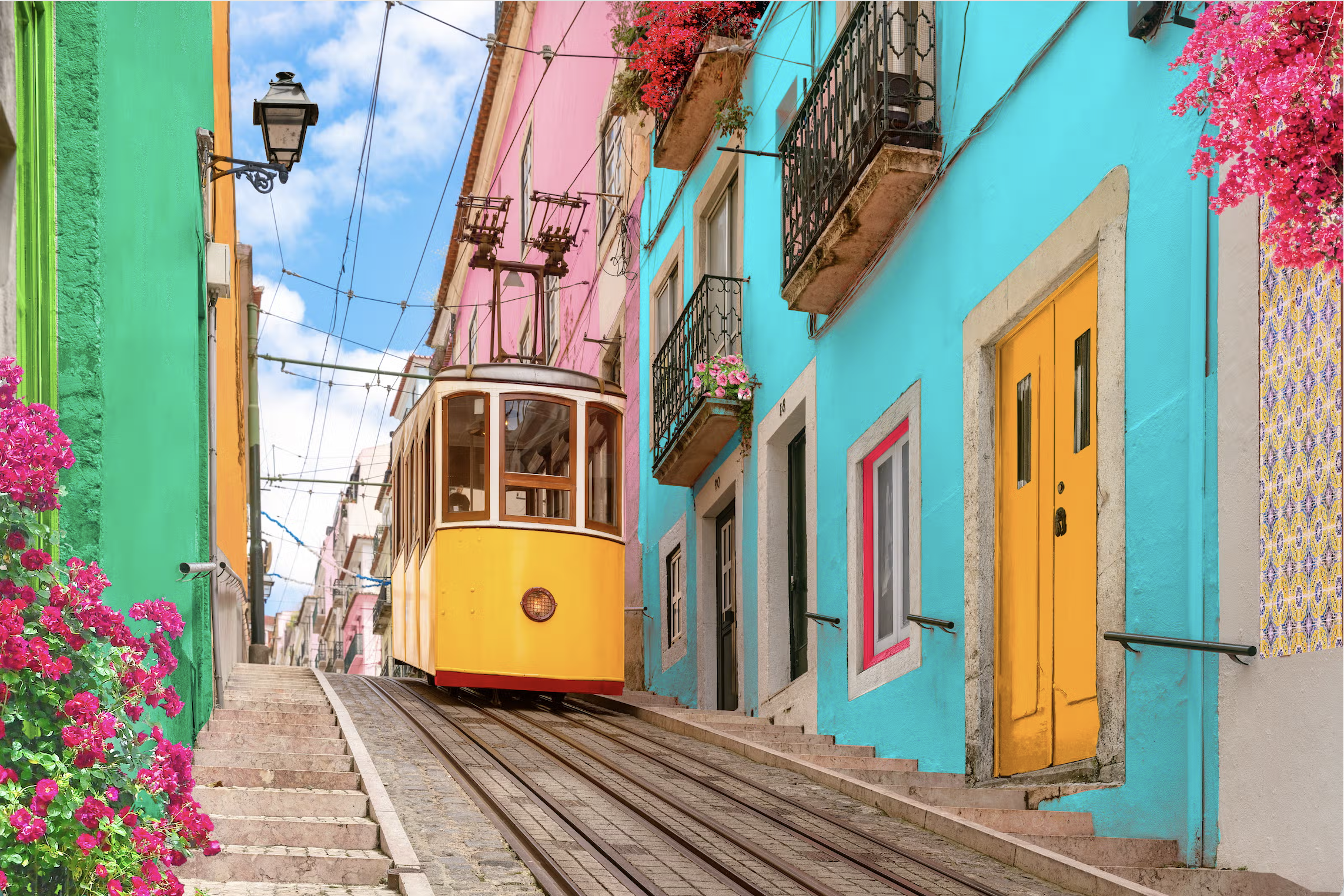
Lisbon: a city that wears its history lightly and its melancholy beautifully — this is where fado was born
Culture & Vibes
Lisbon is one of Europe's oldest capitals and one of its most beguiling. Built across seven hills above the Tagus estuary, the city combines Moorish, Pombaline, and Art Nouveau architecture into a layered, sun-faded beauty unlike anywhere else on the continent. The famous yellow trams creak up steep cobbled streets past walls of azulejo tiles. The light in late afternoon is golden in a way that seems almost designed.
Lisbon moves at a particular pace — unhurried but alive, melancholic but warm. Alfama, the oldest neighbourhood, is a dense labyrinth of whitewashed houses and fado bars clinging to the hillside below the Castelo de Sao Jorge. Belem to the west is where the Age of Discovery was launched — the Mosteiro dos Jeronimos stands as a monument to the era when tiny Portugal changed the shape of the world.
Food
Must Try: Pasteis de nata (custard tarts, warm from the oven at Pasteis de Belem — the original since 1837), bacalhau a bras (salt cod scrambled with eggs and potato sticks), grilled sardines in June, amejoas na cataplana (clams with chourico and tomato), and a glass of vinho verde with everything.
Fado Dinner: Book a table at a fado house in Alfama — Casa de Linhares or Sr. Fado — for a meal accompanied by live fado. The music is haunting, soulful, and unlike anything you have heard before.
Experience Snapshot
Granite, Port Wine & the River of Gold
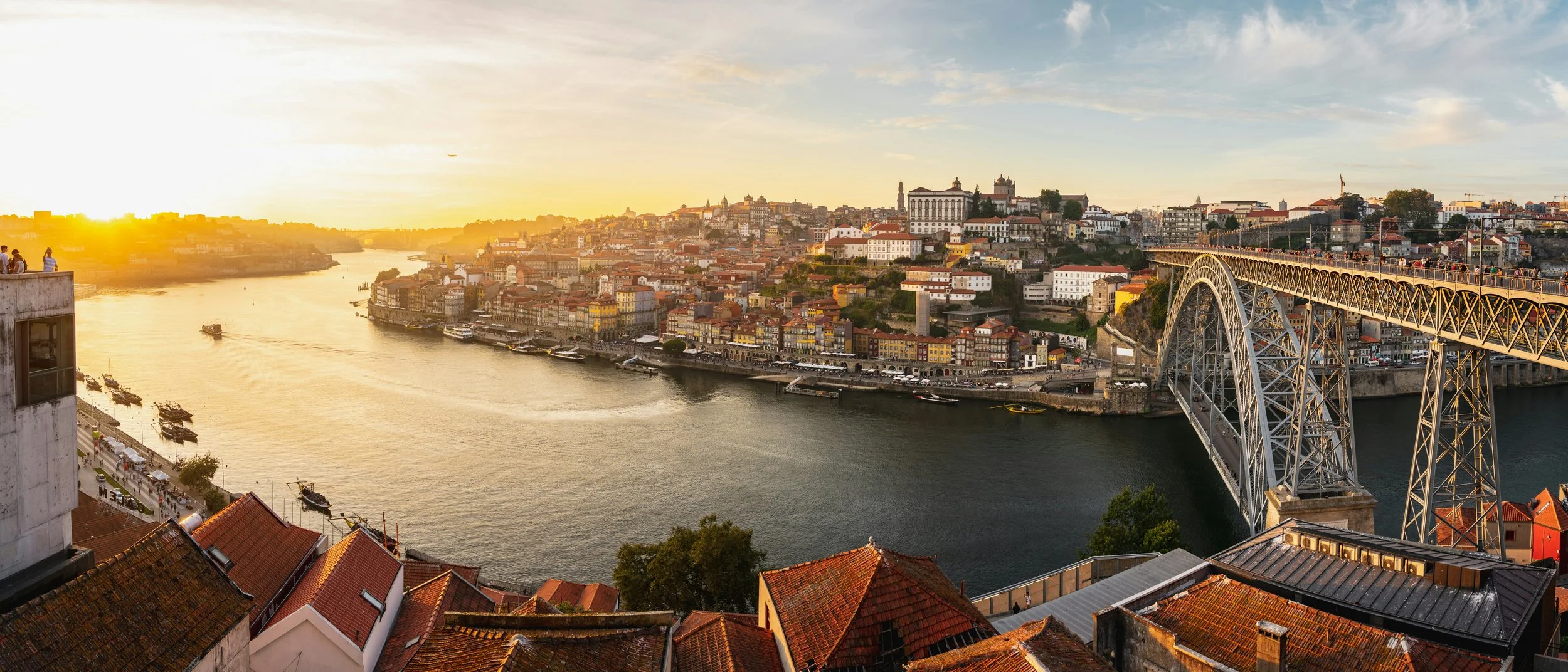
Porto: the city that gave its name to port wine — and to Portugal itself
Culture & Vibes
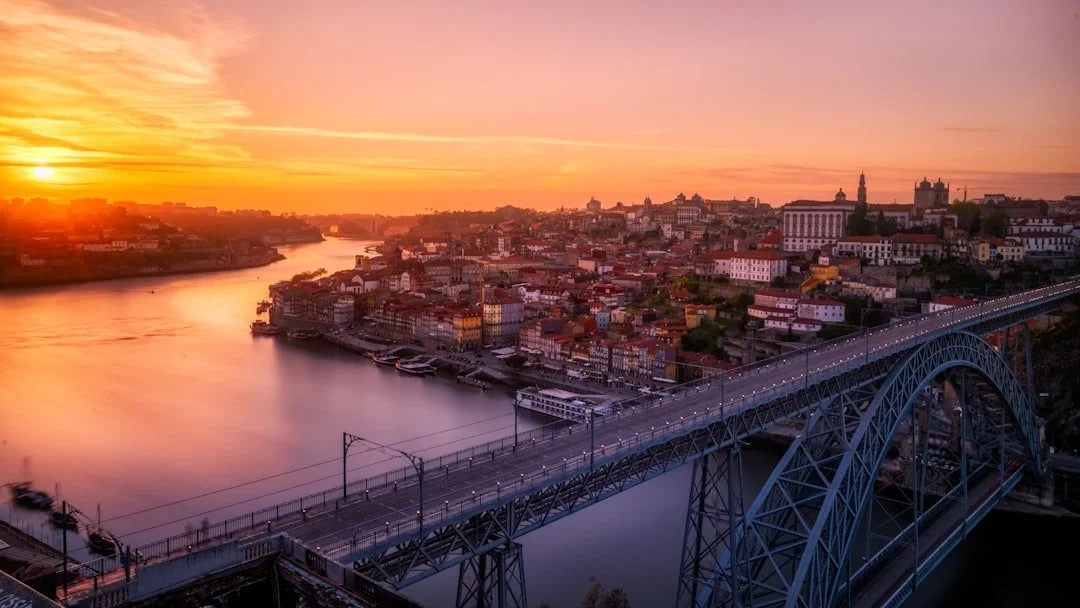
Porto is Portugal's second city and first love. Where Lisbon is faded and golden, Porto is granite and proud — a working city of narrow alleyways, baroque churches encrusted with azulejos, and a riverfront (the Ribeira) that is among the most beautiful urban waterfronts in Europe. The Dom Luis I bridge arcs over the Douro connecting Porto to Vila Nova de Gaia, where the great port wine lodges — Taylor's, Graham's, Sandeman — age their wine in cool dark warehouses and offer tastings that change your understanding of what wine can be.
The Douro Valley begins about an hour east of Porto and it is one of the great landscape experiences of Europe. Terraced vineyards cut into steep schist hillsides above a winding river, tiny quintas producing some of the world's finest port and increasingly world-class dry wines. The valley is a UNESCO World Heritage site, and the train from Porto to Pinhao is one of the most beautiful rail journeys on the continent.
Food
Must Try: Francesinha (Porto's signature dish — a toasted sandwich of meats smothered in a spiced beer-and-tomato sauce with a fried egg on top — absolutely extraordinary and absolutely not healthy), tripas a moda do Porto (tripe stew, the city's historic working-class dish), and a tasting at any of the Gaia port wine lodges.
The Douro Valley — Stay at Least One Night
The valley completely changes character after the day-trippers leave. Quinta de la Rosa, Quinta do Crasto, and Six Senses Douro Valley all offer exceptional accommodation on wine estates. Take the CP train from Porto Sao Bento to Pinhao (3 hours) for one of Europe's great railway journeys — the azulejo panels in Porto's station alone are worth the trip.
Experience Snapshot
The Fairy-Tale Mountain — Palaces, Mist & Romantic Excess
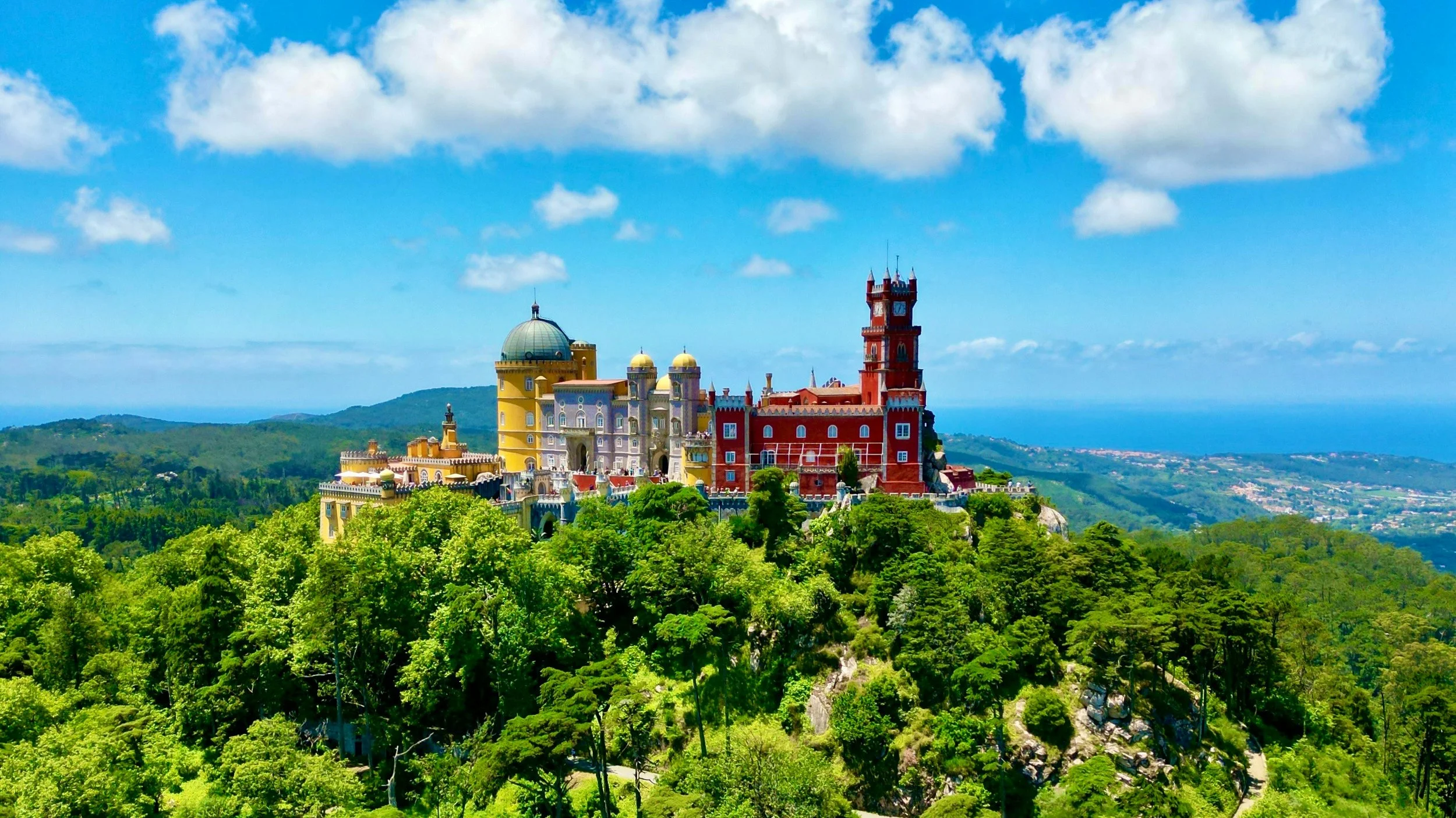
Sintra's Pena Palace: a Romantic-era fever dream of turrets, colours, and theatrical excess perched above the Serra de Sintra
Culture & Vibes
Sintra is 40 minutes by train from Lisbon and feels like another world entirely. Lord Byron called it 'the most beautiful village in the world' and he was not entirely wrong. The Serra de Sintra rises from the Atlantic coast studded with palaces, romantic gardens, Moorish ruins, and a 19th-century extravagance of architectural fantasy that has to be seen to be understood.
The Pena Palace is the centrepiece — a riot of colour and turrets perched on the highest peak, built in the 1840s by King Ferdinand II and mixing every architectural style from Gothic to Moorish to Manueline with cheerful abandon. The Quinta da Regaleira is even stranger: a private estate laced with Masonic symbolism, underground tunnels, and a 27-metre initiation well. Sintra rewards those who stay overnight and explore after the day-trippers have gone.
Food & Stay
Must Try: Travesseiros (puff pastry pillows filled with almond and egg cream — a Sintra speciality at Piriquita bakery since 1862), queijadas de Sintra (small cheese tarts), and a long lunch in the village after the palaces.
Stay Over: Tivoli Palacio de Seteais (a genuine 18th-century palace hotel) and Penha Longa Resort offer exceptional stays. An overnight transforms the experience — early morning Sintra in the mist is the Portugal of pure imagination.
Experience Snapshot
The Walled Village — Medieval Portugal, Perfectly Preserved
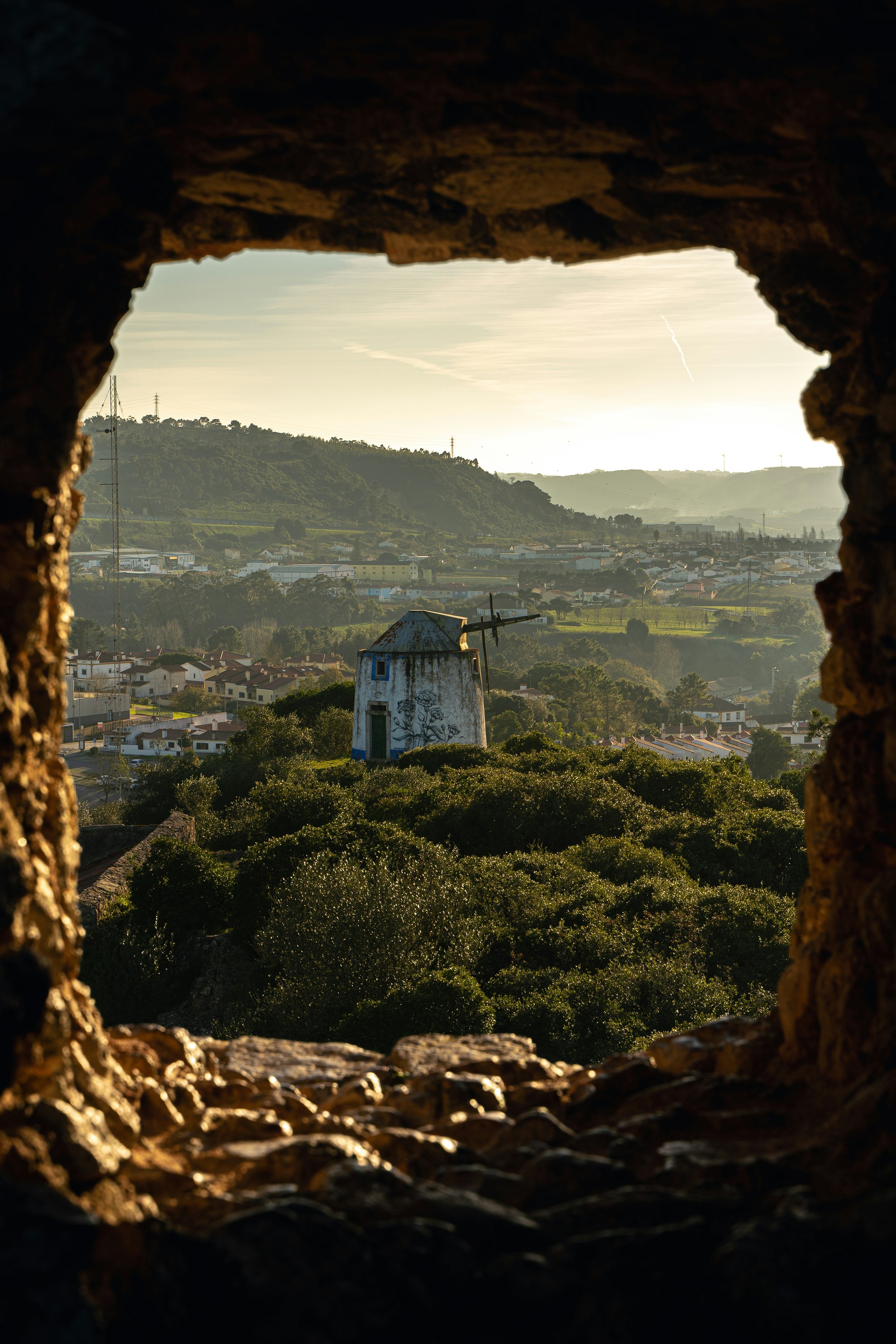
Obidos: a complete medieval village still enclosed within its original 12th-century walls — and a living, breathing community, not a museum
Culture & Vibes
Obidos is Portugal's most perfectly preserved medieval village. Enclosed entirely within 12th-century walls, the village is a confection of whitewashed houses trimmed in vivid blue and yellow, cobblestone alleyways overhung with bougainvillea, and a castle converted into one of Portugal's most atmospheric pousadas. Small enough to see in a morning, beautiful enough to stay a week.
The village was traditionally given by the Kings of Portugal to their queens as a wedding gift. Today it is known for its annual Medieval Market (July), its chocolate festival (March), and its year-round literary festival. Obidos has reinvented itself as a book town, with bookshops installed in a church, a winery, and a former garage.
Food & Character
Must Try: Ginjinha de Obidos (cherry liqueur served in a tiny chocolate cup — one of the great small pleasures of Portuguese travel), local goat cheese, roasted chestnuts in season, and a long lunch at any of the small restaurants inside the walls.
Ginjinha
The ginjinha (zheen-ZHEEN-ya) is a sour cherry liqueur made by macerating morello cherries in aguardente with sugar and cinnamon. In Obidos it is served in a small cup made of dark chocolate that you eat after drinking — the combination of cold liqueur and bitter chocolate is one of those simple pleasures that takes on enormous significance the more you think about it.
Experience Snapshot
The University City — Portugal's Oxford, with Better Wine
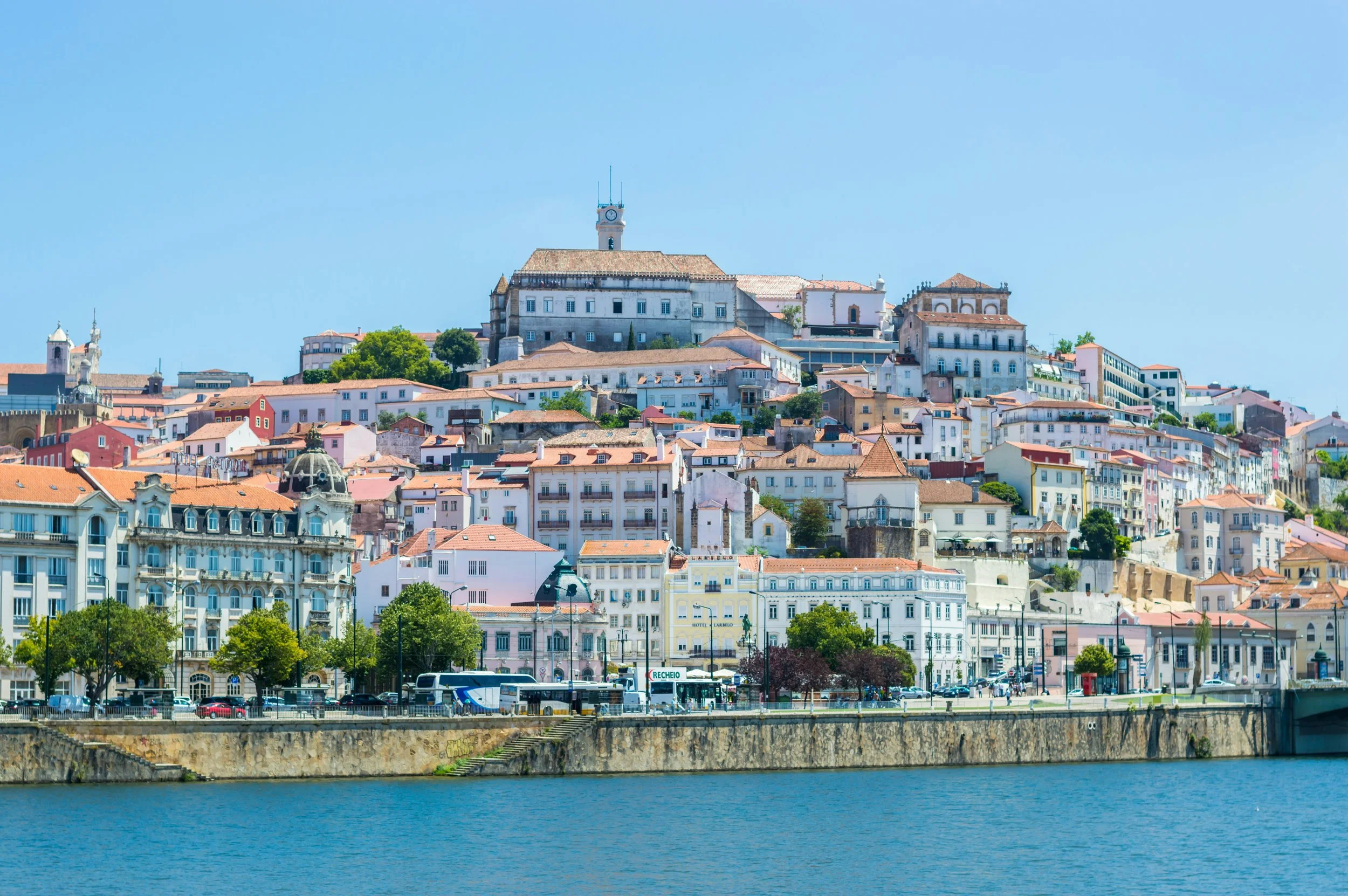
Coimbra: Portugal's oldest university city, where students still wear black capes and the Joanina Library is the most beautiful room in the country
Culture & Vibes
Coimbra is Portugal's great university city — home to one of the oldest universities in the world (founded 1290) and still dominated by academic life in the most visible way. Students in black woollen capes walk the steep streets of the Alta, where the university hilltop commands views over the Mondego River valley. The atmosphere is a particular mixture of medieval solemnity and youthful energy entirely unlike anywhere else in Portugal.
The Biblioteca Joanina — a gilded 18th-century library of such theatrical beauty it routinely appears on lists of the most spectacular rooms in the world — is here. Coimbra is also, after Lisbon, the spiritual home of fado. Coimbra fado is its own distinct tradition, sung exclusively by men in academic dress, and it is among the most haunting music you will encounter in Europe.
Food
Must Try: Leitao da Bairrada (Bairrada suckling pig — roasted until the skin is lacquer-crisp, one of the great dishes of Portuguese cooking), Chanfana (goat slow-cooked in red wine in a clay pot), pasteis de Tentugal (delicate puff-pastry sweets filled with egg custard), and Bairrada sparkling wine.
Student Culture: Coimbra's restaurants near the university serve enormous, generous portions at student prices. The university canteen on the hill is genuinely open to visitors and offers an authentic experience.
Experience Snapshot
The Floating Garden — Madeira's Subtropical Capital
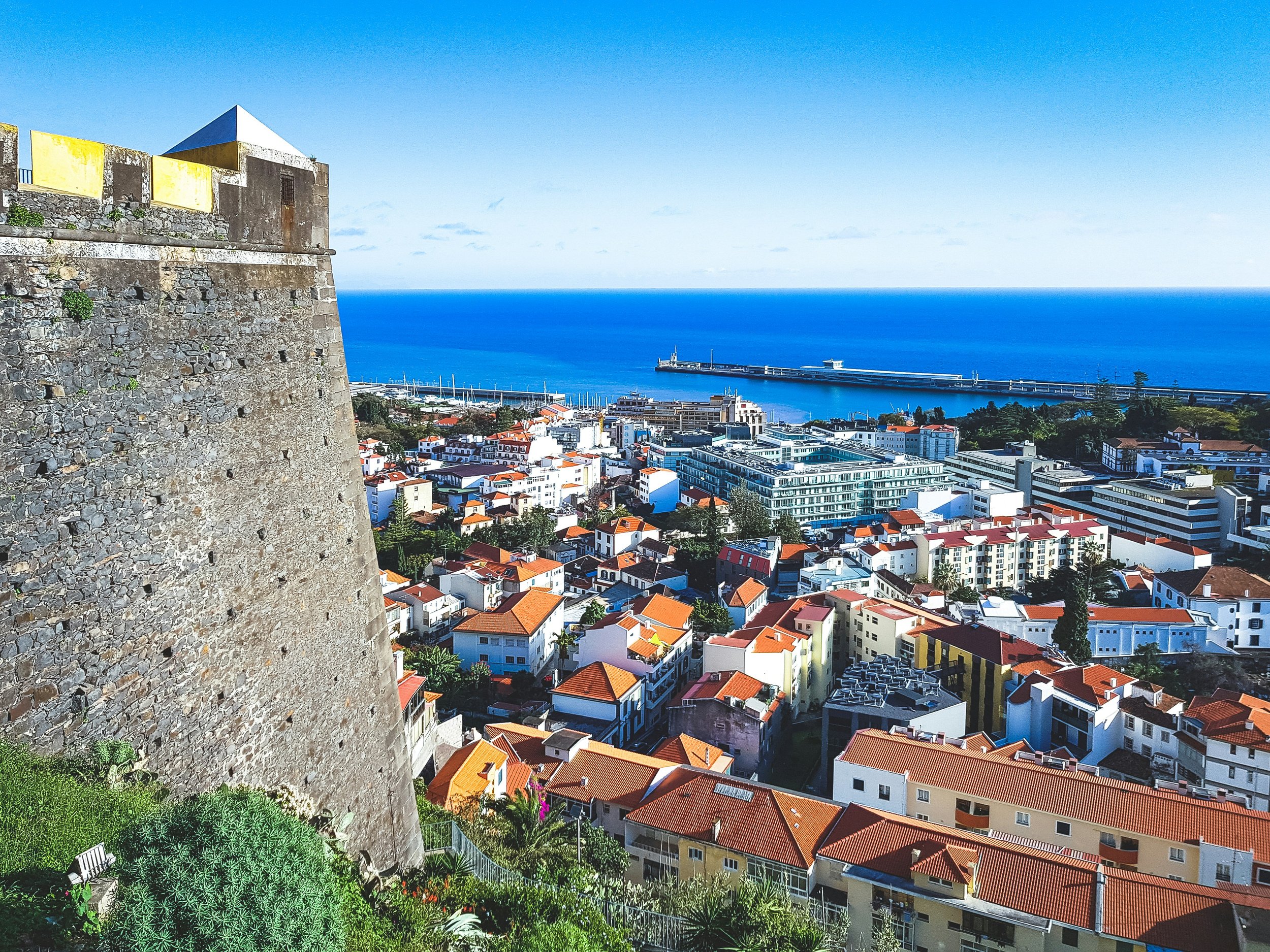
Funchal: a volcanic island capital draped in flowers, surrounded by the Atlantic, and producing the world's most remarkable fortified wine
Culture & Vibes
Funchal is the capital of Madeira, the Portuguese archipelago in the Atlantic 1,000 kilometres from Lisbon — unlike anywhere else in the Portuguese world. The city climbs steep volcanic hillsides above a natural harbour, its terraced gardens overflowing with tropical flowers. The climate is the great distinction: subtropical year-round, so warm in January that the mountains above the city can be snowcapped at the same time as the lower slopes are in blossom.
Madeira is an island for people who want everything at once: hiking through ancient laurisilva forest along the levadas (the island's network of centuries-old irrigation channels turned walking trails), swimming in natural lava pools, whale watching in the deep Atlantic channels, and then coming back to Funchal for a glass of Madeira wine and a dinner of espada with banana. The toboggan run from Monte, steered by careiros in straw hats and white suits, is one of the great absurd pleasures of European travel.
Food
Must Try: Espada com banana (black scabbardfish caught at over 800 metres depth, served with fried banana and passion fruit sauce — a combination that sounds wrong and tastes extraordinary), espetada Madeirense (beef on bay laurel branches over an open fire), poncha (the island's firewater cocktail with aguardente, honey, and lemon), bolo de mel (dense molasses cake), and a Madeira wine tasting.
Madeira Wine: Produced in four styles — Sercial (dry), Verdelho (medium dry), Bual (medium sweet), and Malmsey (rich and sweet) — and ages for decades or centuries without spoiling. A glass of 20-year-old Bual at Blandy's Wine Lodge resets your understanding of what wine can be.
Experience Snapshot
Portugal's Sun-Drenched South — Cliffs, Caves & Golden Beaches
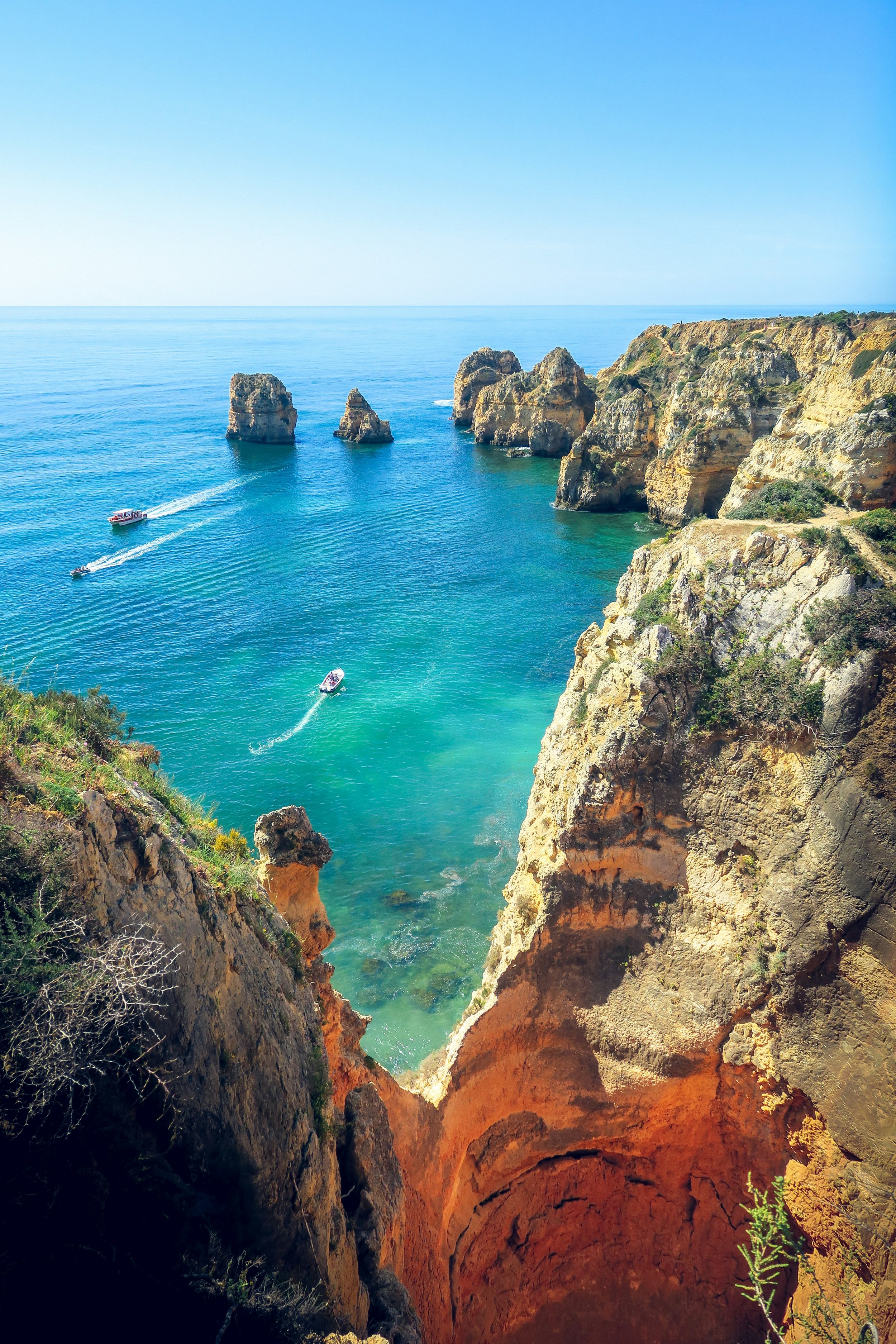
The Algarve: Portugal's most dramatic coastline — limestone cliffs sculpted by the Atlantic into arches, grottoes, and sea stacks that glow amber at sunset
Culture & Vibes
The Algarve is Portugal's southernmost region and its most iconic coastline — 150 kilometres of Atlantic shore where limestone cliffs have been carved by millennia of ocean into some of the most dramatic natural formations in Europe. Ochre and amber sea stacks rise from turquoise water, hidden grottos and sea caves open off deserted coves, and wide golden beaches stretch between headlands thick with wild rosemary and lavender.
Faro is the Algarve's quiet capital — a city of genuine character largely overlooked by visitors rushing to the beach resorts. The old town, encircled by Roman and Moorish walls, contains a beautiful cathedral and a haunting Bone Chapel. From Faro, the Ria Formosa natural park — a vast lagoon system of tidal islands, mudflats, and salt marshes — is one of Portugal's great natural reserves: extraordinary for birdwatching, boat trips, and fresh clams pulled straight from the sand.
Food
Must Try: Cataplana de marisco (the Algarve's signature dish — a copper clam-shaped pot filled with clams, prawns, chourico, and tomato, steamed and opened tableside), grilled dourada or robalo (sea bream or sea bass with olive oil and lemon), percebes (barnacles pulled from Atlantic rocks and boiled in seawater), amejoas (clams prepared a dozen ways), and carob-based sweets.
Faro Seafood: The restaurants around Faro's harbour and along the Ria Formosa ferry routes serve the freshest clams, oysters, and fish in Portugal. Avoid tourist-strip restaurants and look for the places where the fishermen eat.
Ria Formosa Natural Park
Stretching 60 kilometres along the coast east of Faro, the Ria Formosa is one of the most important wetland ecosystems in Europe and one of Portugal's Seven Natural Wonders. Take a boat trip to the island of Culatra or Armona — fishing communities accessible only by water — for lunch at a beach shack and a swim in crystal-clear water. A critical staging post for migratory birds and home to the rare purple gallinule.
Beyond the Beach
The Algarve interior — cork oak forests, whitewashed villages, and ancient Moorish-influenced architecture — is a different country from the coastal strip. Silves, the former Moorish capital, has a magnificent red sandstone castle. Sagres, at the very southwestern tip of Europe, is where Prince Henry the Navigator established his legendary school of navigation — the launching pad for Portugal's Age of Discovery — and where the Atlantic feels truly vast.
Experience Snapshot
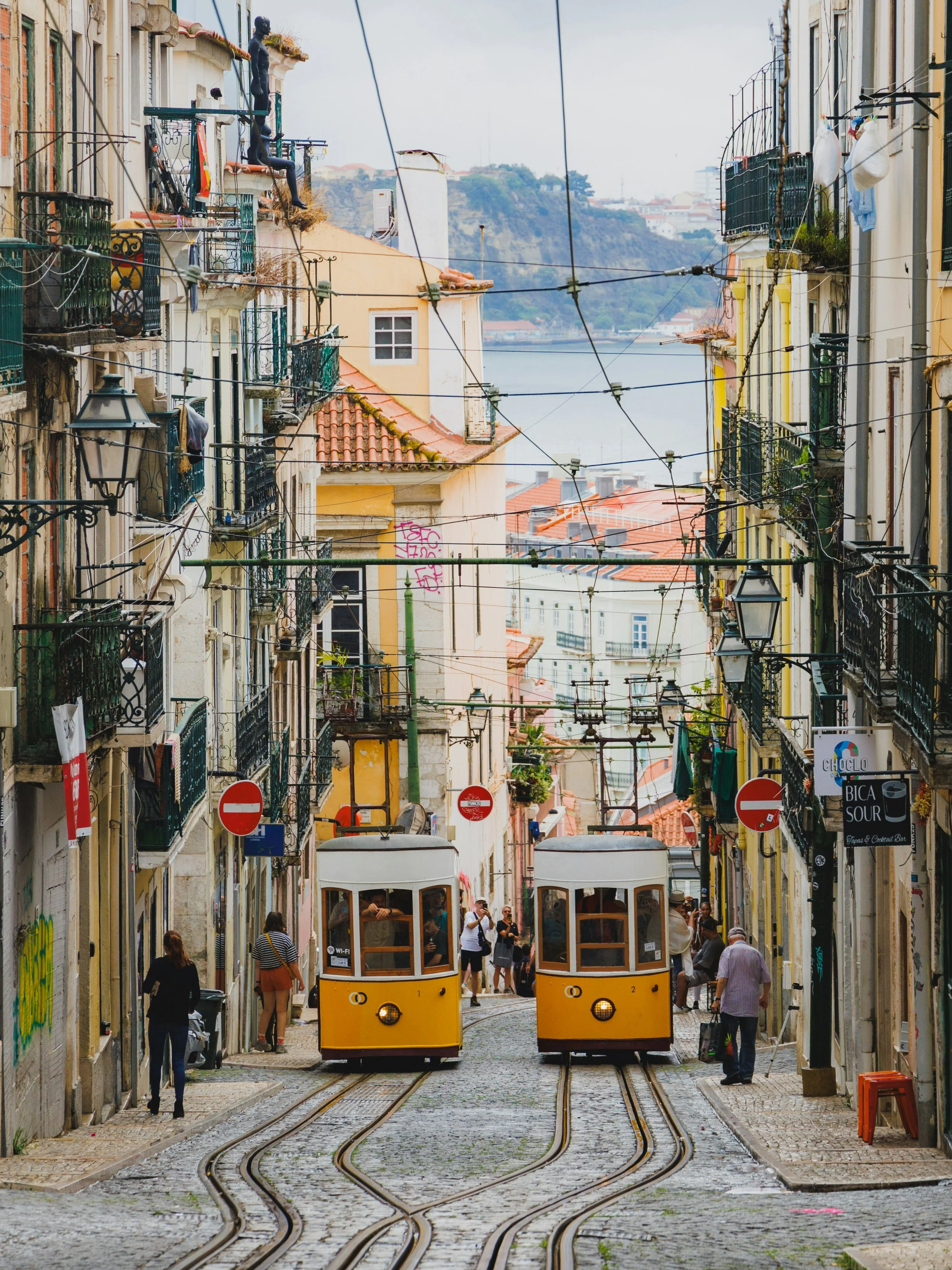
Portugal rewards slow travellers — take the train, follow the tiles, and never hurry a meal
Getting Around
Portugal's intercity train network (CP) connects Lisbon, Porto, and Coimbra comfortably. Lisbon to Porto takes under 3 hours on the Alfa Pendular express; Lisbon to Coimbra is 2 hours. Sintra is 40 minutes by train from Lisbon; Obidos is 1.5 hours. For the Douro Valley, the CP train from Porto to Pinhao is one of Europe's most scenic rail journeys. Funchal requires a flight from Lisbon (1.5 hours) or Porto.
Language & Currency
Portuguese is the language — a few words (obrigado/obrigada, por favor, faz favor) are always warmly received. The euro (EUR) is the currency. Portugal is one of Western Europe's most affordable destinations — excellent meals, wine, and accommodation cost significantly less than equivalent experiences in France, Italy, or Spain.
Etiquette
Meals are long and leisurely — do not rush a restaurant; the bill will not arrive until you ask for it (a pedir a conta). Lunch is the main meal, typically 1–3pm. The couvert (bread, butter, olives brought to the table) is not free — if you eat it, you pay for it; you can send it back if you prefer not to.
Safety
Portugal is consistently ranked among Europe's safest countries for travellers. Petty theft in Lisbon's Alfama, on Tram 28, and in tourist-dense areas is the main concern — keep bags secure. Driving in Portugal is generally good, but mountain roads in Madeira and around Sintra are narrow and require care.
Portugal does not announce itself.
It waits for you to arrive, feeds you something extraordinary, pours you a glass of something you have never tasted before,
and then — very quietly — it ruins you for everywhere else.