
Travel Guide
Morocco
Casablanca | Marrakesh | Atlas Mountains
Essaouira | Fes | Chefchaouen
Food · Culture · Vibes · Where to Stay, Eat & Explore
Welcome to Morocco
Morocco is a country that defies easy description. It is ancient medinas and modernist boulevards, scorching desert plains and snow-capped peaks, the scent of cumin drifting from a street-food cart and the chill of a marble hammam. It sits at the crossroads of Arab, Berber, African, and European influences — and that collision of cultures makes it one of the most sensory-rich destinations on the planet.
This guide covers six distinct experiences: the cosmopolitan energy of Casablanca, the living museum of Marrakesh, the elemental grandeur of the Atlas Mountains, the breezy soul of Essaouira, the ancient capital of Fes, and the dreamy Blue Pearl of Chefchaouen.
Best Time to Visit
Morocco is a year-round destination, but timing makes a significant difference depending on where you go.
- Spring (March–May): The sweet spot. Wildflowers, pleasant temperatures, crowds not yet peaked.
- Autumn (Sept–Nov): Harvest season, warm but not brutal, quieter medinas.
- Summer (June–Aug): Coastal cities cooled by Atlantic winds. Inland cities like Marrakesh can exceed 40°C.
- Winter (Dec–Feb): Cold in the mountains. Marrakesh and Casablanca remain mild and uncrowded.
- Peak tourist season runs April–May and September–October.
- Ramadan: Night markets come alive, but some restaurants close during daylight hours.
- Book riads well in advance for spring and autumn travel.
- Coastal Essaouira benefits from consistent trade winds year-round.

Intricate Moroccan zellige tilework — found on fountains, palaces, and medina walls across the kingdom
The Cosmopolitan Soul of the Kingdom
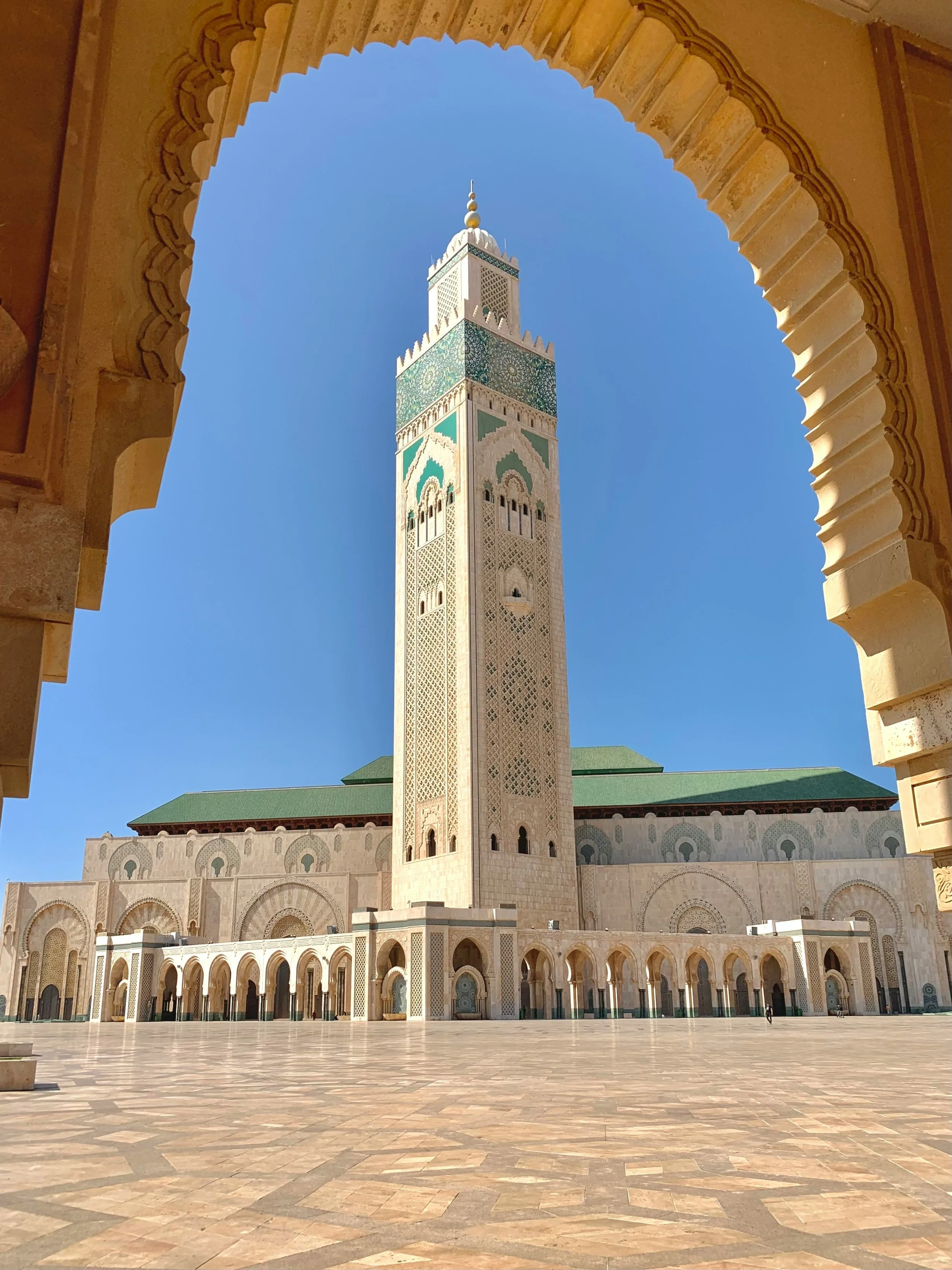
Hassan II Mosque — the third-largest mosque in the world, built partially over the Atlantic Ocean
Culture & Vibes
Casablanca is Morocco's economic powerhouse and its most misunderstood city. Forget the Hollywood noir — the real Casa is a buzzing metropolis of five million people where Art Deco facades give way to glass-and-steel towers, and the call to prayer competes with espresso machines in French-style cafes.
The city's personality is defined by its contradictions: traditional souks tucked behind European-style boulevards, fishermen mending nets below the world's third-largest mosque. Casablanca is where Morocco meets the world on its own terms.
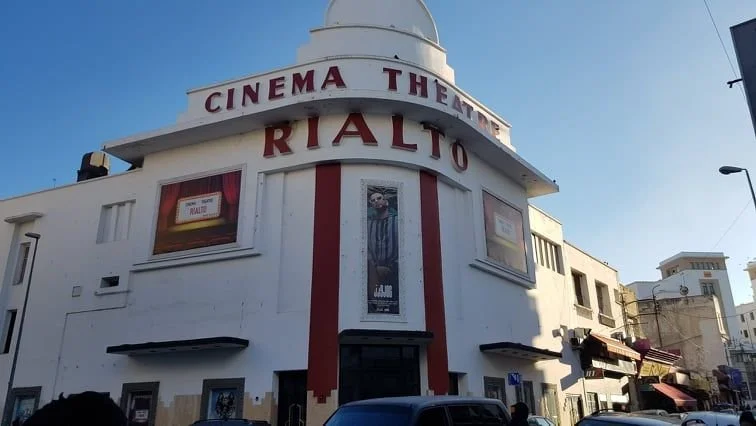
Art Deco architecture in the Ville Nouvelle
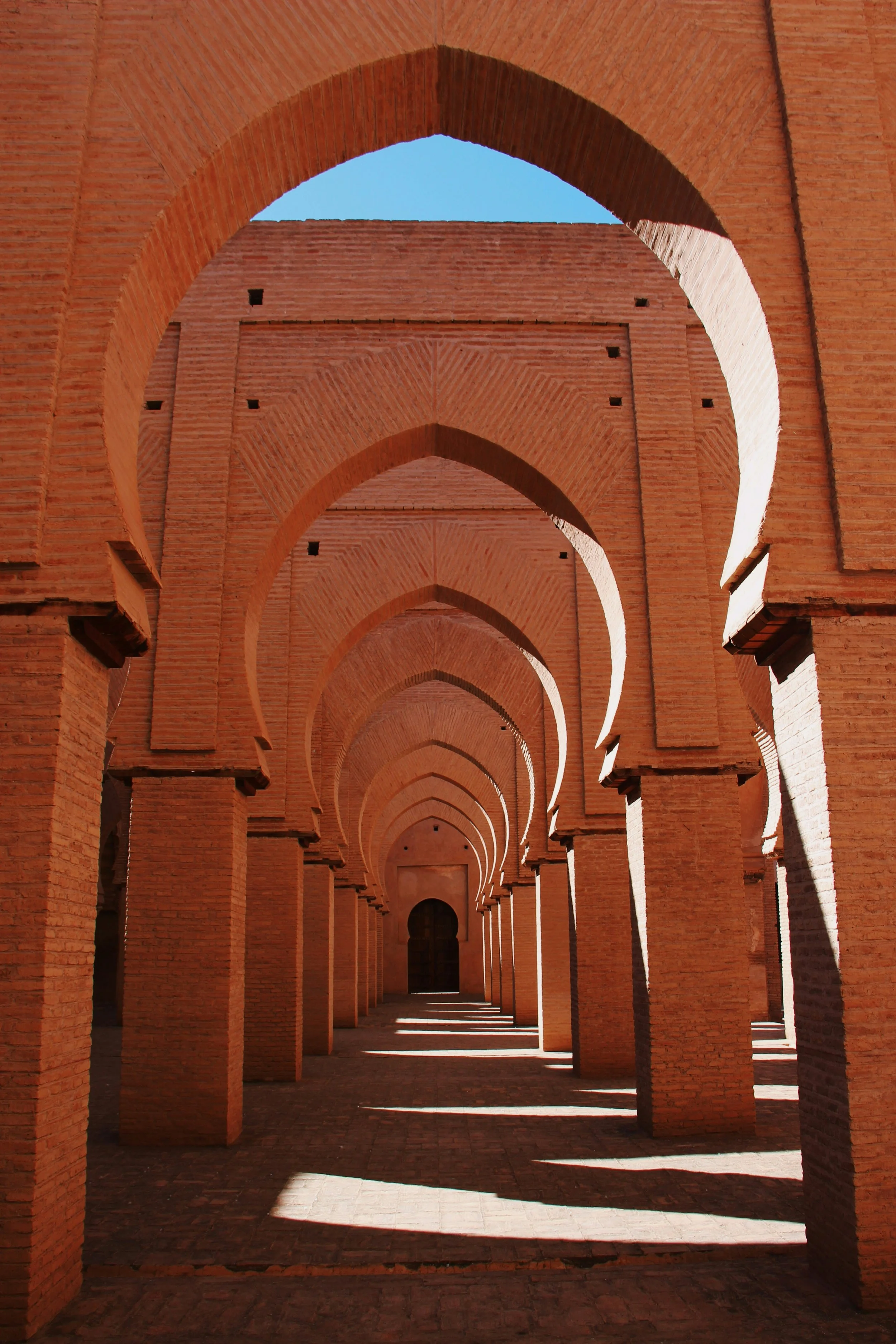
Moorish arches — architectural DNA across Morocco
Food
Casablanca's dining scene is Morocco's most diverse. Seafood is king here — fresh from the Atlantic.
Must Try: Harira, fresh grilled sardines at the port, pastilla, and meloui flatbread with honey and argan oil.
Cafe Culture: Order a cafe noir or cafe casse and settle in. Casablancans take their cafe time seriously.
Experience Snapshot
The Red City — All the Senses, All at Once
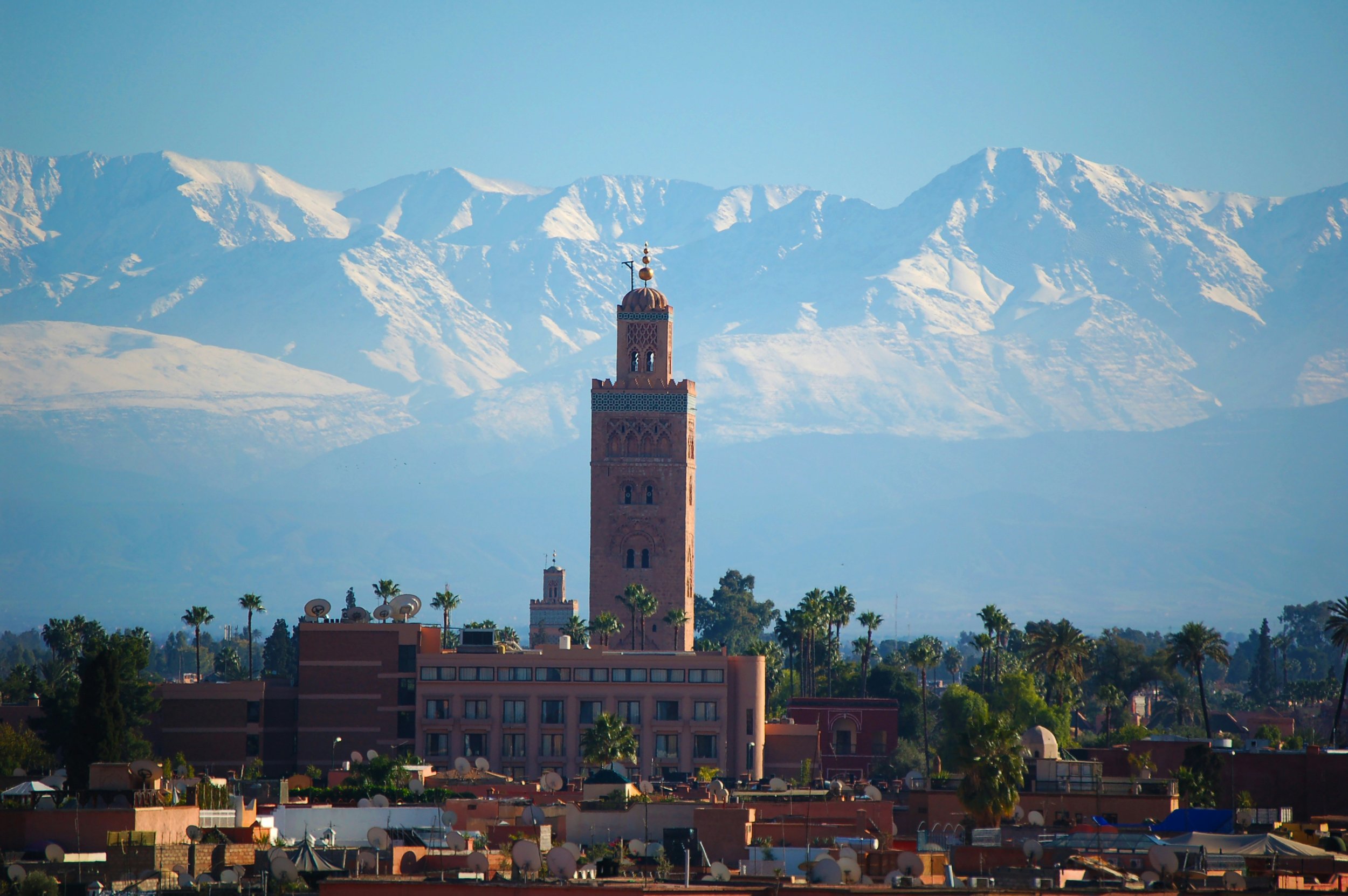
The Koutoubia Mosque minaret rising above Marrakesh's rose-pink rooftops, with the snow-dusted High Atlas behind
Culture & Vibes
Marrakesh is a full-body experience. The ancient medina — a UNESCO World Heritage site — is a labyrinth of impossibly narrow alleys where every turn reveals a carpet weaver, a spice pyramid, a hidden courtyard garden, or a donkey cart.
At the heart of it all is Djemaa el-Fna: snake charmers, storytellers, acrobats, and dozens of open-air food stalls filling the square with smoke and sound. Marrakesh operates on its own logic — surrender to it, and it gives you everything.
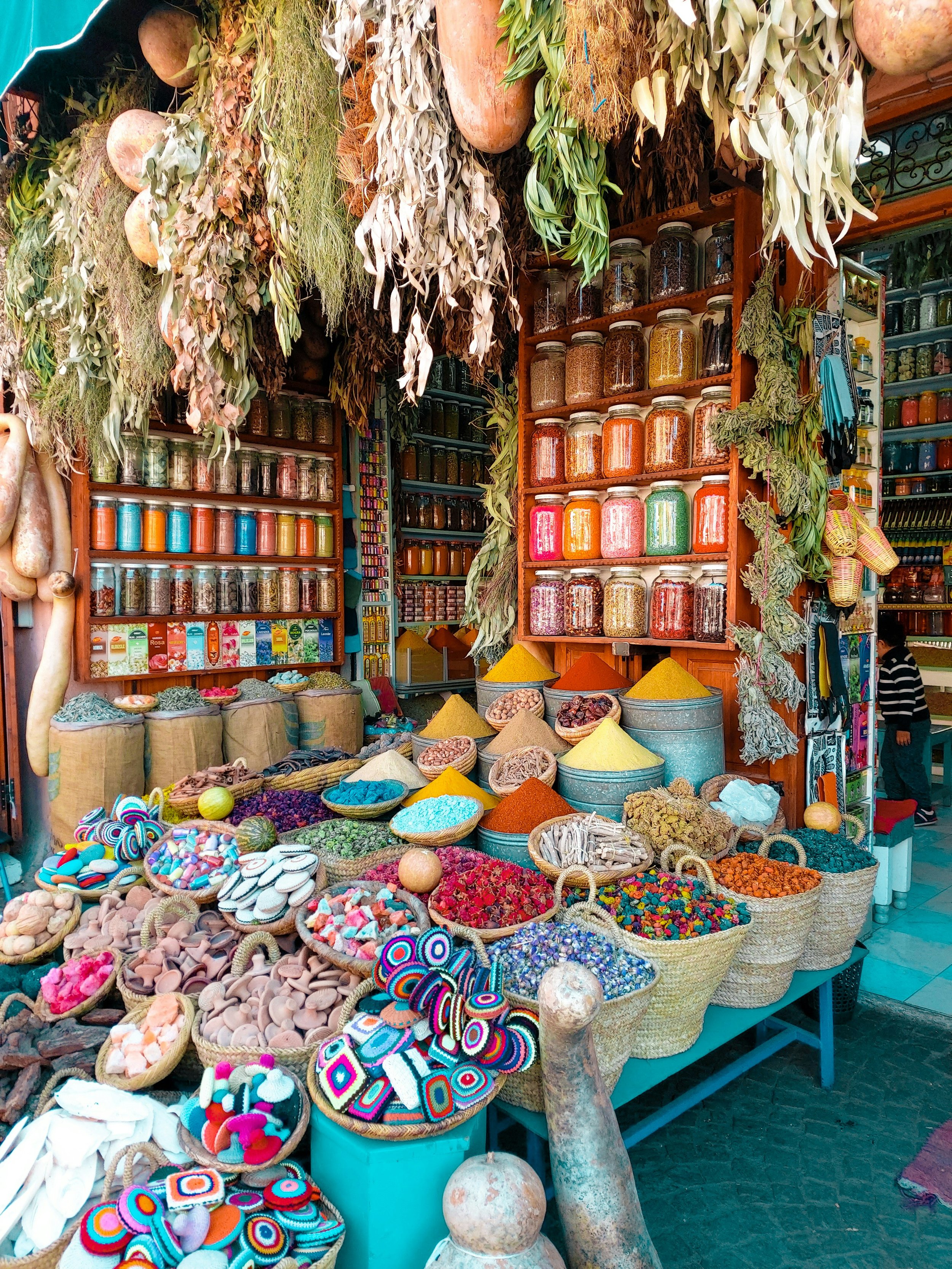
The spice souks of Marrakesh — pyramids of cumin, turmeric, rose petals, and ras el hanout blends
Food
Must Try: Lamb tagine with preserved lemon, couscous on Fridays, bastilla, fresh orange juice from Djemaa el-Fna, and mint tea poured from a height.
Riad Dining: Book a riad set dinner at least once — the candlelit courtyard experience is unforgettable.
Experience Snapshot
The Roof of North Africa — Silence, Space & Berber Soul
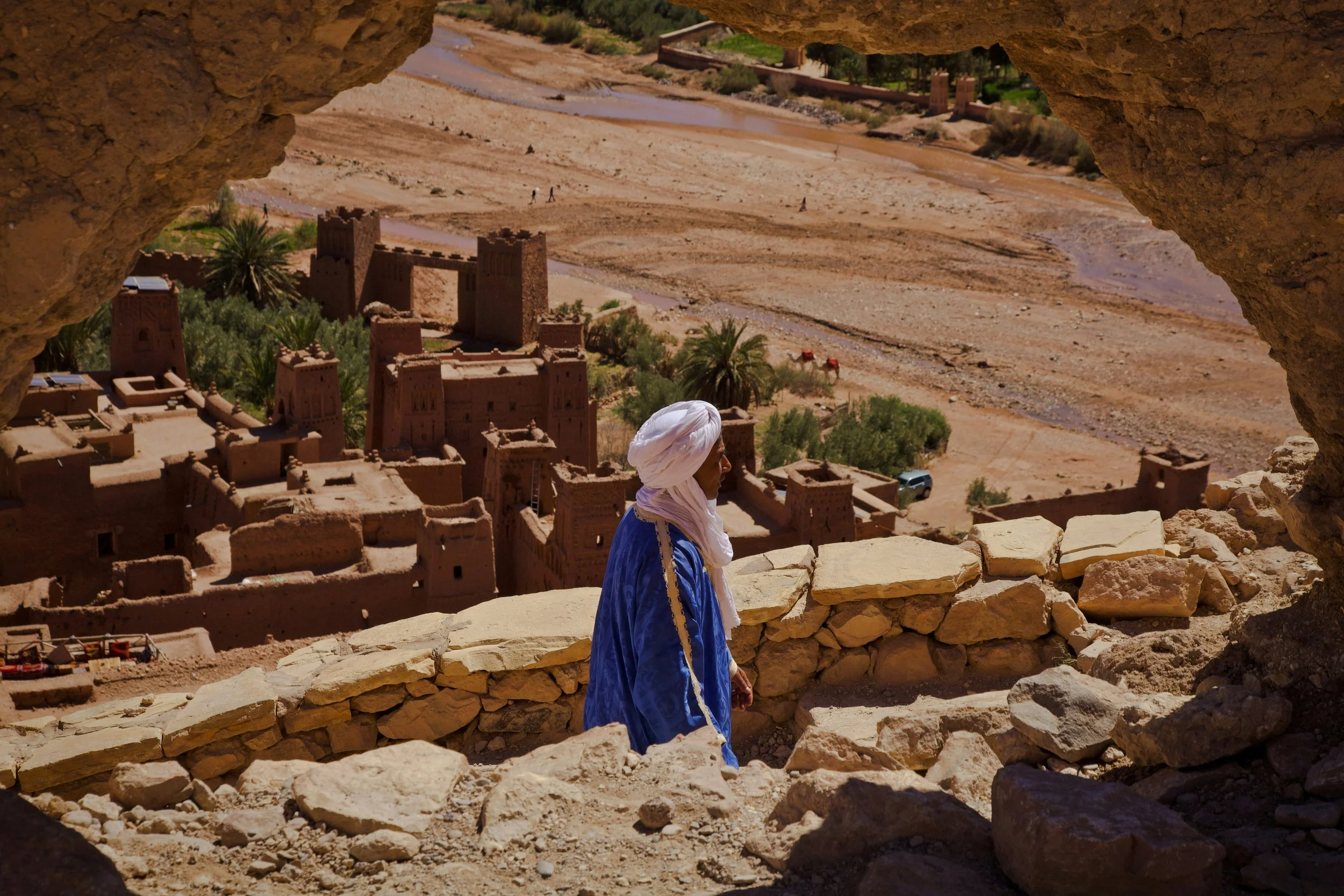
A Berber guide overlooks the ancient kasbah of Ait Benhaddou — used as a film set for Gladiator and Game of Thrones
Culture & Vibes
An hour south of Marrakesh, the Atlas Mountains rise from the plateau like a wall. The High Atlas is dominated by Jebel Toubkal — at 4,167 metres, the highest peak in North Africa — and is the heartland of the Amazigh (Berber) people, whose culture predates the Arab conquests by millennia.
Villages cling to cliffsides, terraced gardens step into river valleys, and woven Berber rugs line stone guesthouse doorways. The hospitality is extraordinary — you will be invited in for tea before you have asked a single question.
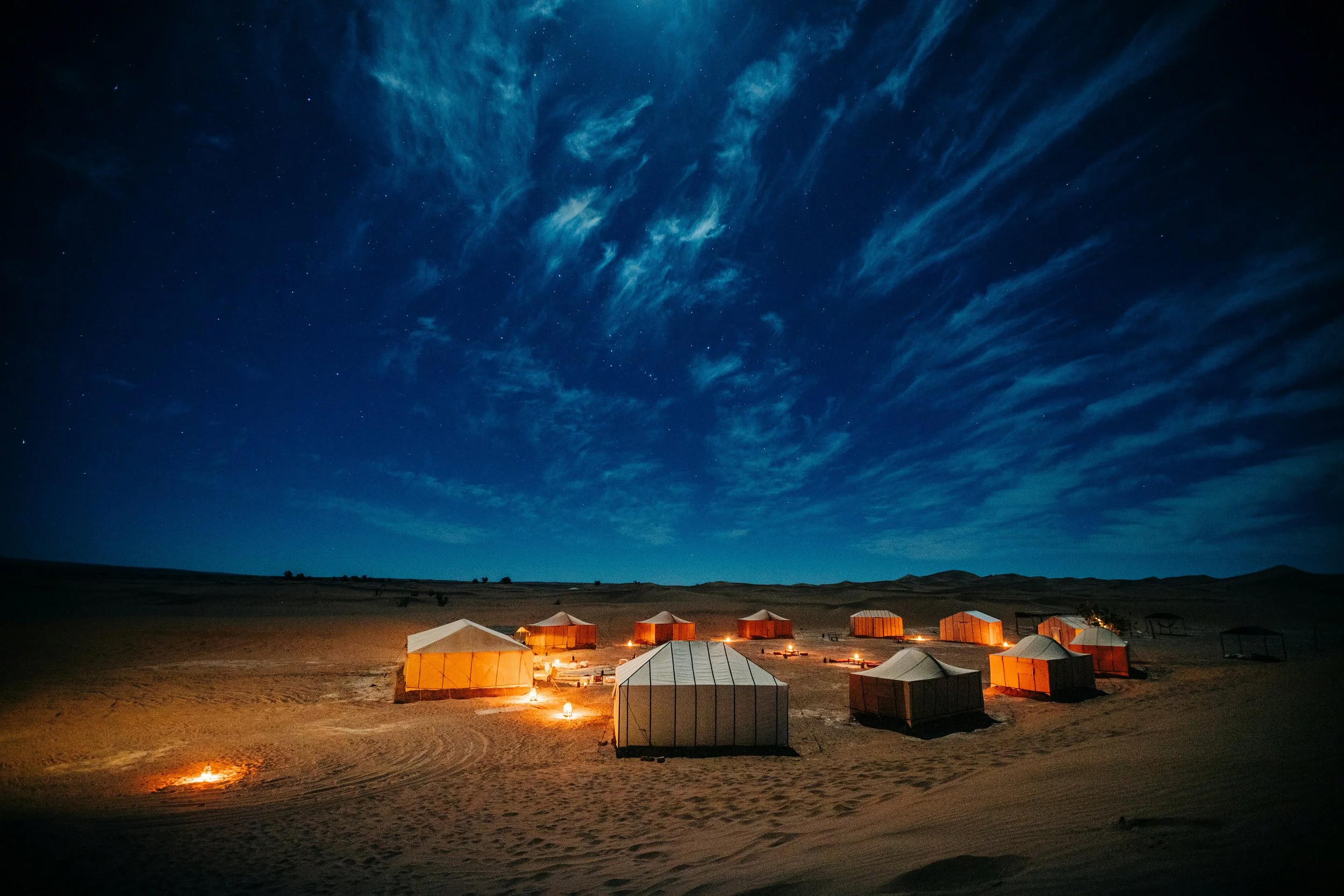
Desert glamping in the Agafay — candlelit tents under a vast Moroccan night sky
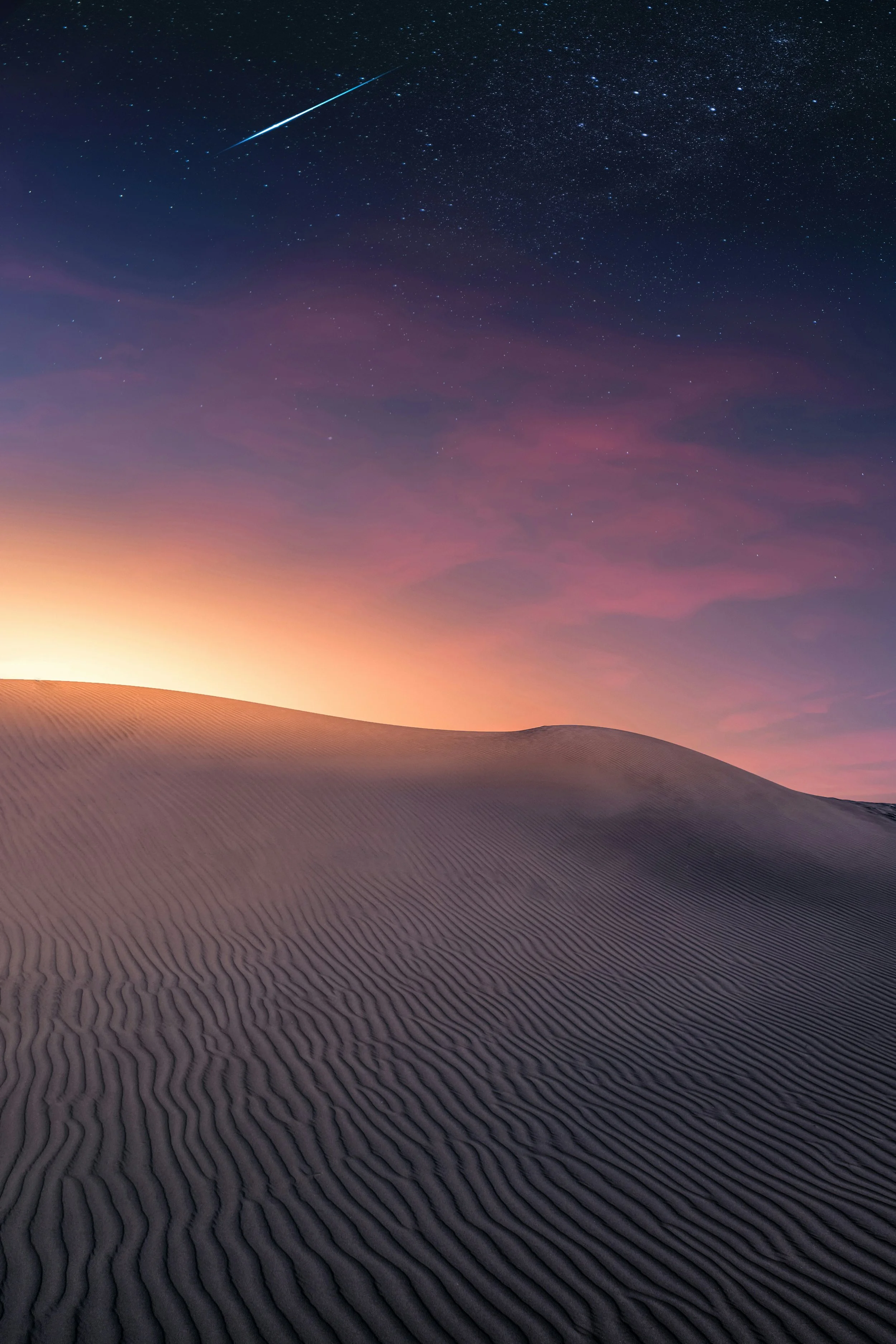
The Sahara dunes at twilight, a shooting star crossing the horizon
Food & Culture
Must Try: Berber tagine, amlou (argan oil, almonds, and honey), fresh barley bread from a clay oven, mint tea with pine nuts.
Hospitality: Meals in mountain guesthouses are communal and generous — you eat what the family eats.
Key Villages & Bases
Imlil (Toubkal trekking base), Ouirgane (lush valley, luxury ecolodges), Ait Benhaddou (UNESCO kasbah, used in Gladiator), Ouarzazate (gateway to the south, film capital of Morocco).
Experience Snapshot
The Windy City — Blue Boats, Gnawa Music & Atlantic Calm
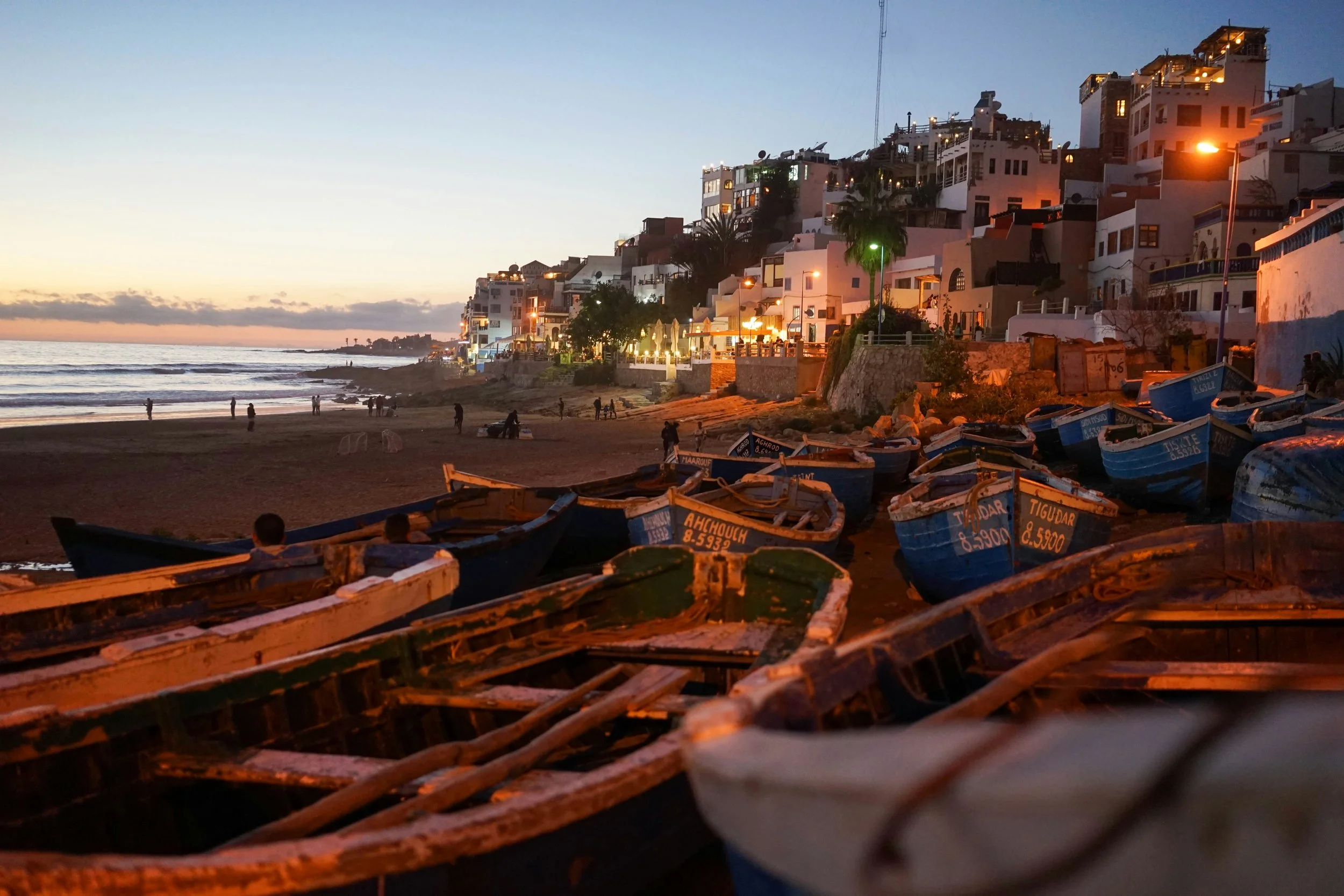
Essaouira at dusk — fishing boats on the Atlantic shore beneath the whitewashed medina walls
Culture & Vibes
Essaouira is Morocco's exhale. After the heat and intensity of Marrakesh, this blue-and-white Atlantic port city feels like a different country — cool walls, constant wind, silver light, and a pace slow enough to actually think.
Jimi Hendrix famously stayed nearby; Cat Stevens wrote here; the Gnawa music festival fills the city with hypnotic sub-Saharan rhythms every June. The medina is relaxed — no one harasses you, and the blue fishing boats are among the most photogenic things in all of Morocco.
Food
Must Try: Grilled sea bream and sardines from the port stalls, fish tagine with charmoula, calamari, and argan oil on everything.
Do Not Miss: The fish grill row just past the port gate — pick your fish by weight and eat it standing at a shared table.
Experience Snapshot
The Ancient Capital — Morocco's Living, Breathing Museum
The Bou Inania Medersa arches — Fes is a city where every doorway opens onto another century
Culture & Vibes
If Marrakesh is Morocco's heartbeat, Fes is its soul. Founded in the 9th century, Fes el-Bali is the world's largest living medieval city — a UNESCO World Heritage site of extraordinary density. Over 9,000 narrow streets form a labyrinth so complex that locals still get disoriented. Mules are the primary mode of transport.
Fes was for centuries Morocco's intellectual and spiritual capital, home to the University of al-Qarawiyyin — founded in 859 AD and recognised as the world's oldest continuously operating university.
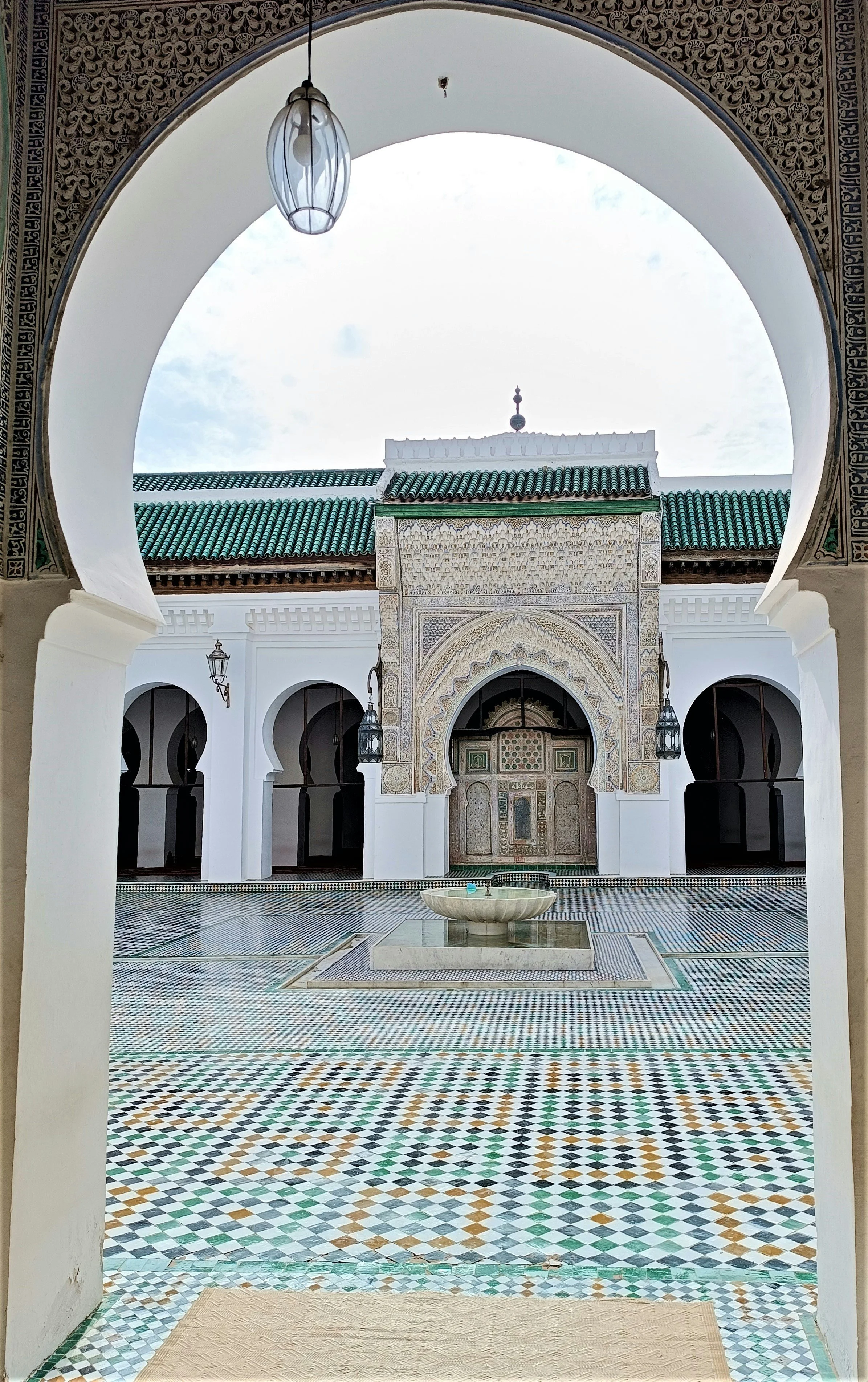
Zellige tilework — Fes is its historic centre
Soaring minarets echo the medieval Islamic world
Food
Fassi cuisine is considered the haute cuisine of Morocco: complex, fragrant, and deeply layered.
Must Try: Pastilla bil hout (seafood pastilla unique to Fes), lamb mechoui, seffa (sweet vermicelli with cinnamon), and rfissa (shredded flatbread with lentils and fenugreek).
The Tanneries: Fes' Most Iconic Sight
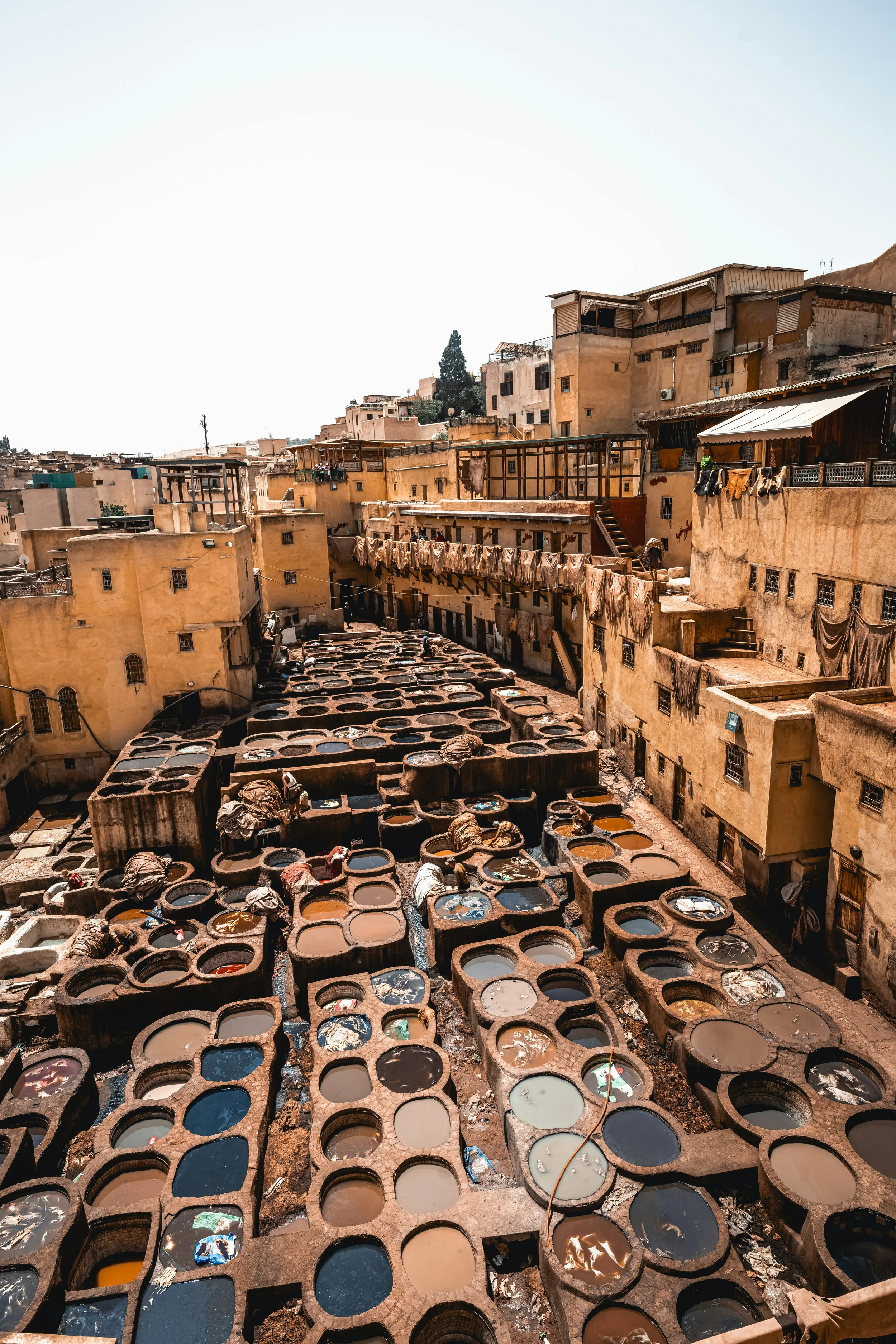
The Chouara Tanneries are vast stone honeycomb vats of dye — saffron yellow, poppy red, indigo blue — worked by hand since the 11th century. View them from leather shop terraces above in the morning light. Vendors offer mint sprigs for the smell, and you will be grateful.
Experience Snapshot
The Blue Pearl — Morocco's Most Dreamed-About Village
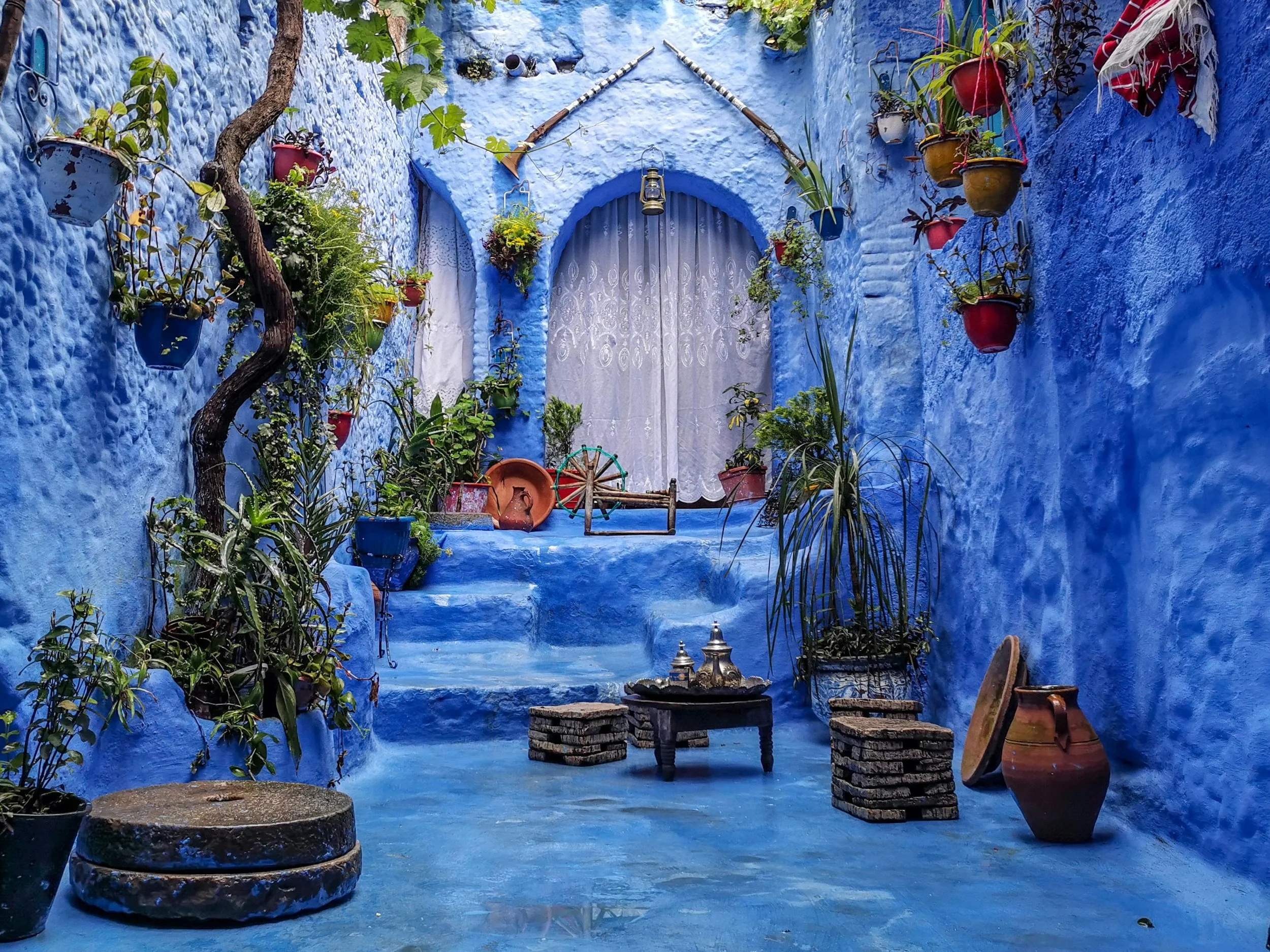
A blue-washed courtyard in the Chefchaouen medina — the colour saturates every alley, staircase, and doorway in the city
Culture & Vibes
Nestled in the folds of the Rif Mountains, Chefchaouen is one of the most visually arresting places in the world. Every surface — walls, steps, flowerpots, archways, doorsteps — is painted in shades of blue from pale sky to deep cobalt. Walking its medina feels less like visiting a city and more like stepping inside a painting.
Founded in 1471 as a refuge for Moorish and Jewish refugees from Spain. Despite the Instagram fame, Chefchaouen remains genuinely charming: small enough to walk in an afternoon, relaxed enough to stay for a week.
Culture & History
The Blue: Visit at dawn before the day-trippers arrive — the alleys are eerily and extraordinarily beautiful in early morning light.
The Rif Mountains: The one-hour hike to the Spanish Mosque rewards with extraordinary views over the blue rooftops into the surrounding valleys.
Art & Craft: The medina has a thriving weaving tradition — wool blankets and djellabas in soft natural colours are the signature purchase.
Food
Must Try: Goat cheese with argan oil and honey, Jben (fresh white goat cheese with thyme), kefta in a clay pot, and fresh msemen flatbread from the square bakeries.
Tea Ritual: Chefchaouen elevates the mint tea ceremony to an art form. Find a rooftop terrace with a view of the Rif and make it last.
Experience Snapshot
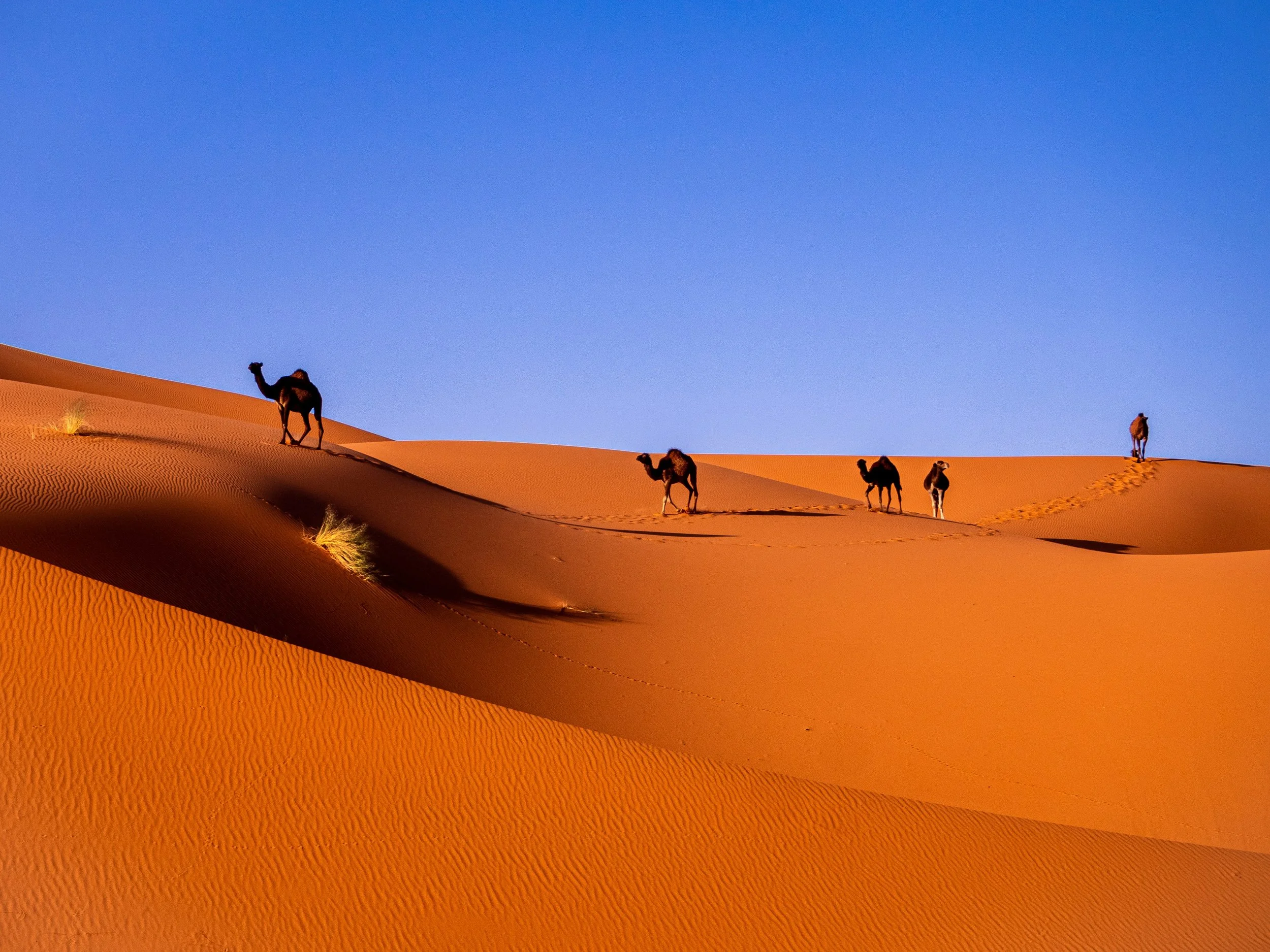
Camel caravans crossing the Erg Chebbi dunes of the Sahara near Merzouga
Getting Around
Morocco's cities are connected by a modern train network (ONCF) — the Casablanca–Marrakesh train is fast and comfortable. For the Atlas Mountains and Essaouira, hire a grand taxi or private driver. Shared grand taxis are cheap, fast, and the way most Moroccans travel between cities.
Language & Currency
Darija (Moroccan Arabic) and Tamazight are the languages of daily life, but French works almost everywhere in cities. The currency is the Moroccan Dirham (MAD). Haggling is expected in souks — start at around half the asking price.
Etiquette & Respect
Morocco is a Muslim-majority country. Dress modestly when visiting mosques, souks, and villages — shoulders and knees covered. Always ask permission before photographing people. During Ramadan, avoid eating or drinking in public during daylight hours.
Safety
Morocco is generally very safe for travellers. The main nuisance in cities like Marrakesh is persistent vendors — a firm but polite refusal is all that is needed.
Morocco rewards travellers who slow down.
Get lost in the medina. Accept the tea. Miss your bus because the conversation was worth it.
That is when this country gives you everything it has.