
Travel Guide
Mauritius
Port Louis & the North | Le Morne & the Southwest
The Wild South | Belle Mare & the East
Lagoons · Creole Flavour · Mountains · Where to Stay, Eat & Explore
Welcome to Mauritius
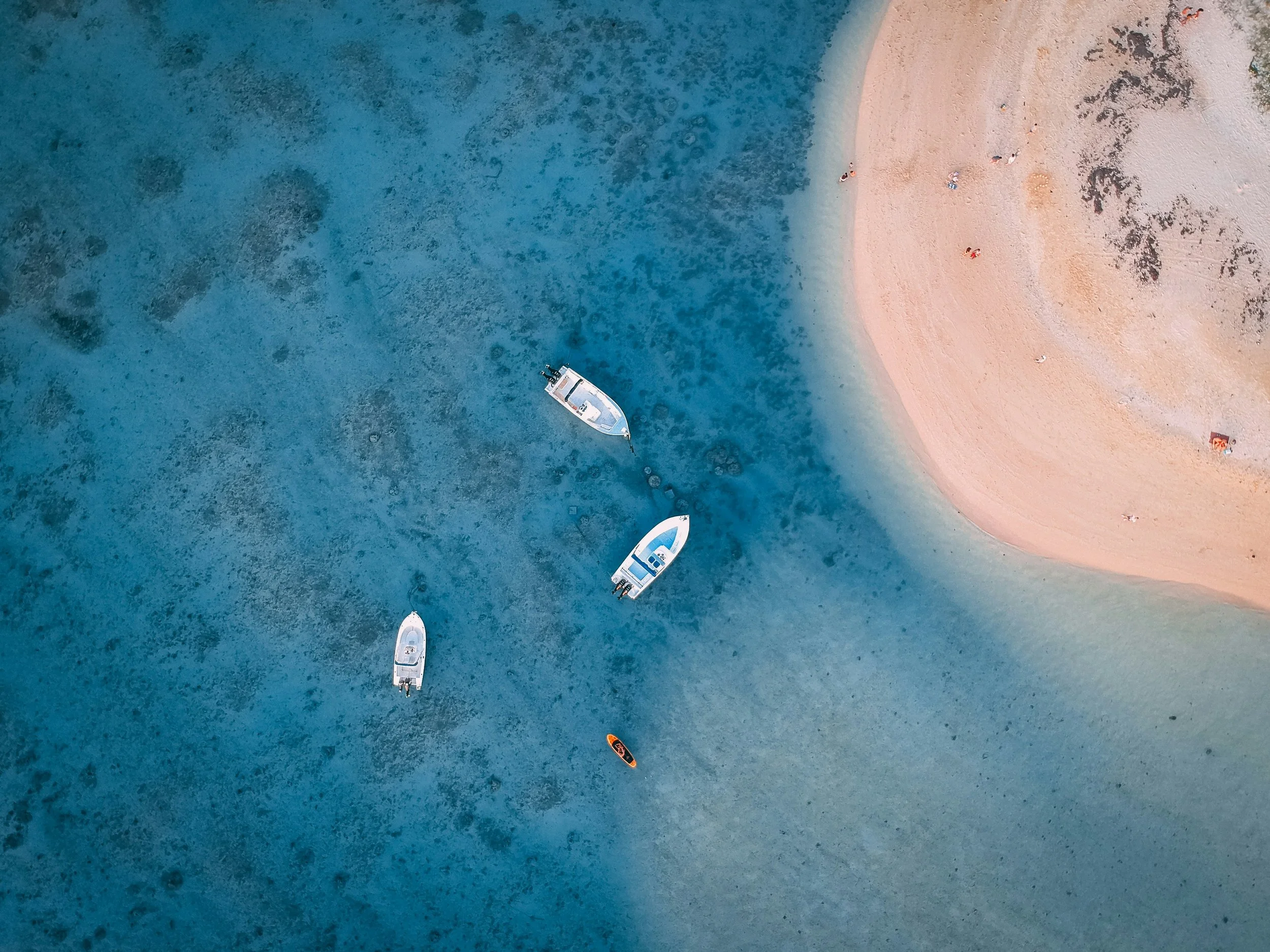
Mauritius is the Indian Ocean's soft landing: reef-protected lagoons in every shade of turquoise, white-sand beaches lined with casuarina trees, emerald sugarcane fields, dramatic volcanic peaks and some of the most gracious resorts in the world. It is a place made for slowing down — and, as the classic last stop after an African safari, for celebrating.
This guide covers four distinct experiences: Port Louis and the sunny, sociable north; Le Morne and the mountainous, nature-rich southwest; the wild, untamed south; and the long beaches and iconic resorts of Belle Mare and the east. Each coast has its own character, and many travellers split their stay between two.
Best Time to Visit
- May – October (Winter): Cooler, drier and breezy — ideal for hiking, touring and golf. The east and south coasts can be windy; the north and west are more sheltered.
- November – April (Summer): Hot and humid, with the warmest water and the best diving visibility. This is also cyclone season, with the highest risk from January to March.
- April – May and September – November: The sweet spots — warm, sunny and relatively dry.
- Year-round: Mauritius is warm enough for beach time in every season.
- Travel insurance is essential in cyclone season; cyclones are relatively rare, but they can disrupt flights and excursions.
- Whale watching is best from about July to October, when humpbacks pass the west coast; sperm whales can be seen year-round.
- Festivals are a highlight: Chinese New Year, Diwali, Thaipoosam Cavadee, and Maha Shivaratri, when pilgrims walk to the sacred lake of Grand Bassin.
- Pack reef-safe sunscreen, light layers for winter evenings, and modest clothing for temple visits.
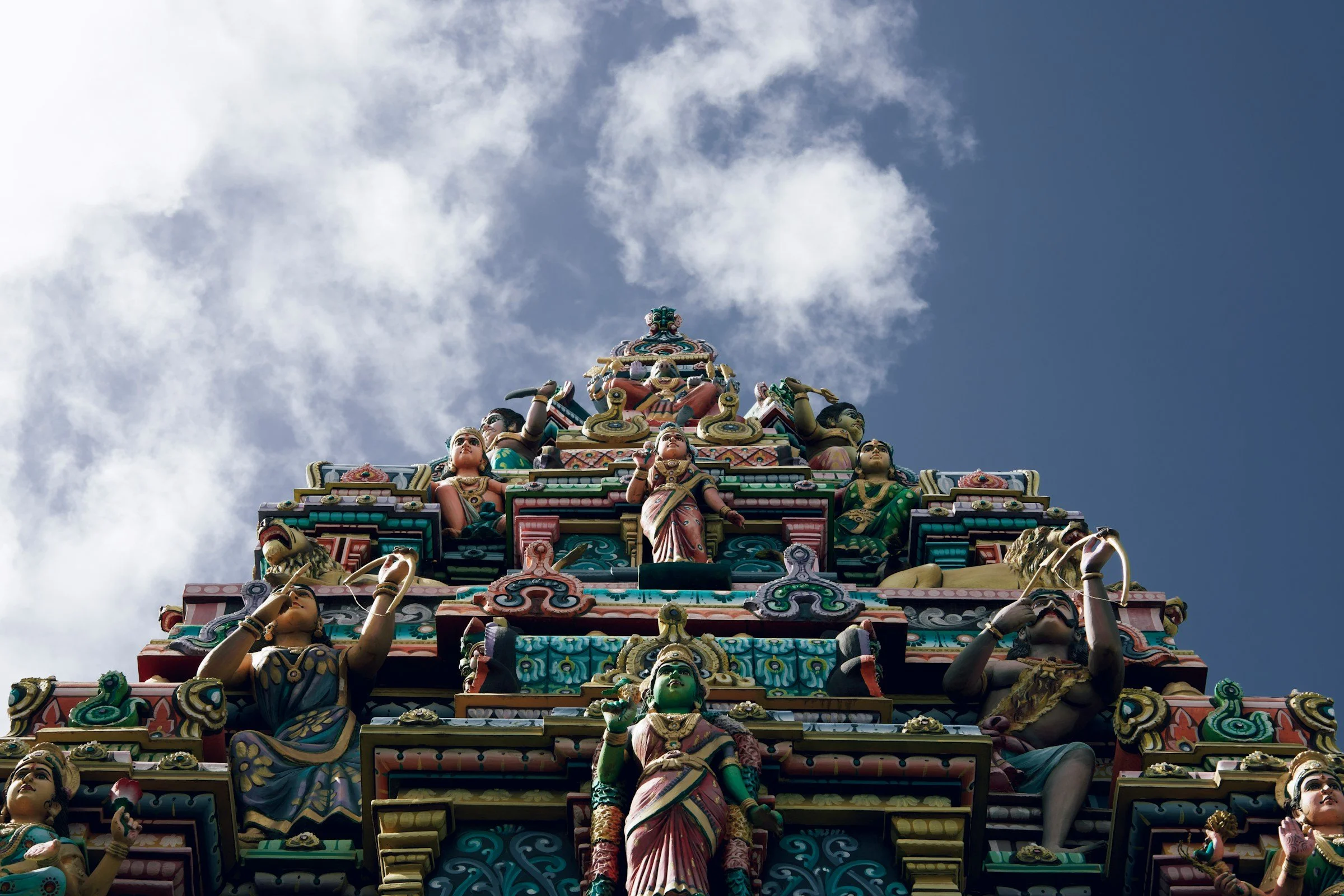
Hindu temples, mosques, churches and Chinese pagodas stand side by side — Mauritius is one of the world's great multicultural societies
Culture & Character
Mauritius had no native population before European arrival. Its people descend from French settlers, enslaved Africans and Malagasy, indentured labourers from India, and Chinese merchants — and that blend shapes everything, from the food to the festivals. Aapravasi Ghat in Port Louis, where hundreds of thousands of indentured workers arrived from 1849, is a UNESCO World Heritage Site.
Kreol (Mauritian Creole) is the everyday language, with English and French widely spoken. Séga, the music and dance born from enslaved communities, is recognised by UNESCO — catch a performance on a beach evening and you will feel its joy and history.
Food & Drink — What to Know
Mauritian food is a delicious fusion of Indian, Creole, Chinese and French traditions. Dholl puri (soft flatbread filled with ground split peas and served with curries and chutneys) is the beloved street food. Try rougaille (a Creole tomato sauce with fish, sausage or prawns), vindaye (fish or octopus in a mustard-turmeric marinade), mine frite (Chinese-style fried noodles), gateaux piments (crispy chilli-lentil fritters) and fresh octopus curry. Drink alouda (a sweet, milky basil-seed drink), Mauritian vanilla tea, and the island's excellent rum, including agricultural rhum from Chamarel.
Grand Baie, Markets & Mauritius's Sunniest Coast
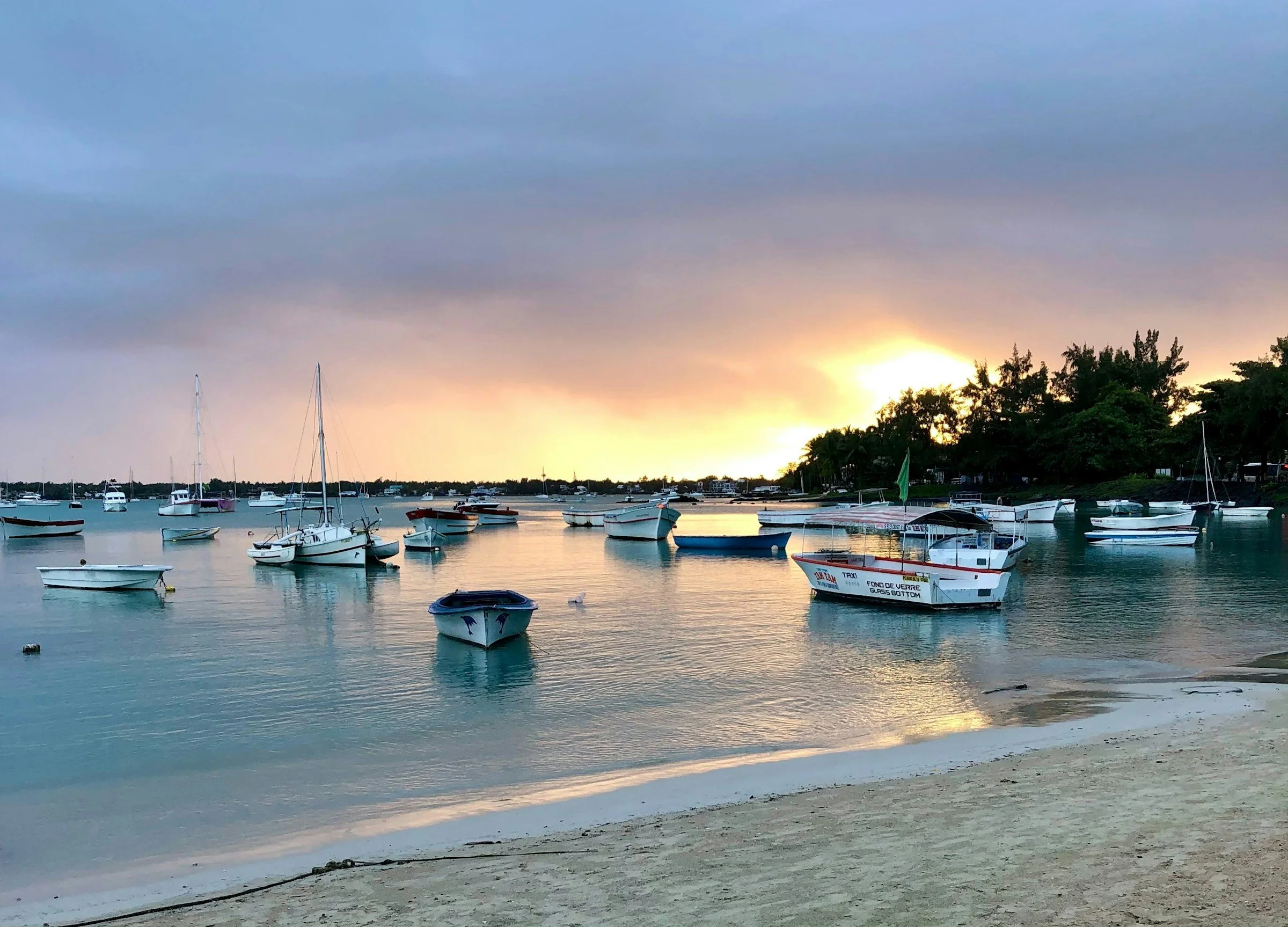
Grand Baie — the north's sheltered, sunny bay and the island's liveliest beach town
Culture & Vibes
The north coast — Grand Baie, Pereybère, Trou aux Biches and Mont Choisy — is the island's sunniest and most sheltered, with calm lagoons perfect for swimming and snorkelling. Catamaran trips sail to the islets of Gabriel Island, Flat Island and Coin de Mire for snorkelling and beach barbecues.
Thirty minutes south, the capital, Port Louis, brings culture and colour: the bustling Central Market, UNESCO-listed Aapravasi Ghat, Chinatown, and Le Caudan Waterfront with its shops, museums and cafés. Nearby, the Sir Seewoosagur Ramgoolam Botanical Garden at Pamplemousses is famous for its giant water lilies, and L'Aventure du Sucre tells the island's sugar story.
Food
Must Try: Dholl puri at the Port Louis Central Market, mine frite in Chinatown, and lunch among the orchards at Château de Labourdonnais, a beautifully restored 19th-century colonial mansion with its own rum distillery.
Experience Snapshot
Mountains Meet the Sea — Sunsets, Hikes & Wild Beauty
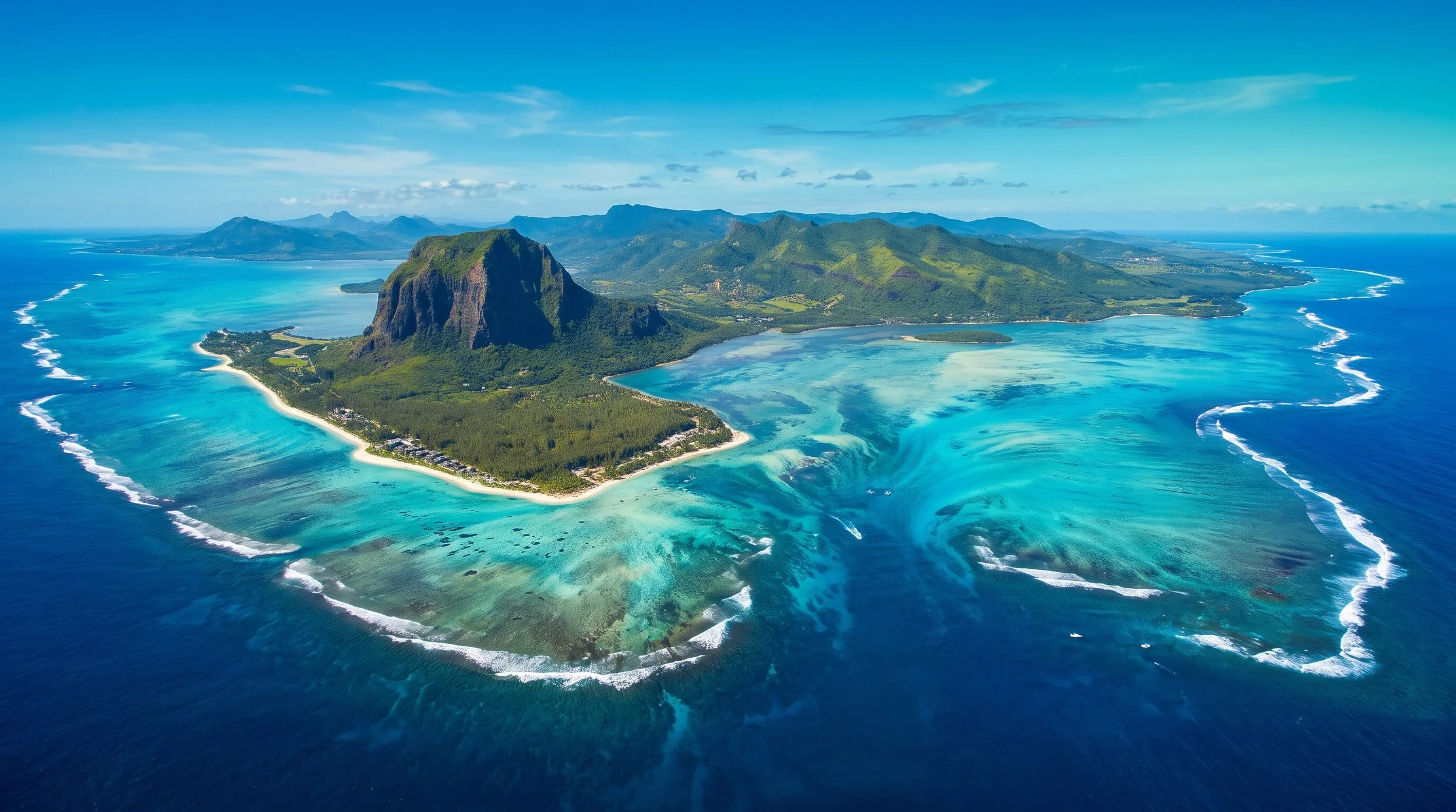
The 'underwater waterfall' off Le Morne — an optical illusion of sand and sediment best seen from the air
Culture & Vibes
Le Morne Brabant, a basalt mountain rising above a wide lagoon, is a UNESCO World Heritage Site and a powerful symbol of resistance: escaped enslaved people once sheltered on its summit. The guided hike to the top rewards with one of the most spectacular views in the Indian Ocean. Below, the Le Morne lagoon is one of the world's top kitesurfing spots.
Inland, the village of Chamarel is home to the Seven Coloured Earth Geopark, a striking waterfall and the Rhumerie de Chamarel. Black River Gorges National Park protects the island's remaining native forest, where you may spot the pink pigeon and Mauritius kestrel, both rescued from the brink of extinction. Along the west coast, Tamarin and Flic en Flac offer dolphin-watching trips and long, sunset-facing beaches.
A Note on Dolphin Trips
Spinner and bottlenose dolphins are often seen off the west coast in the early morning. Choose a responsible operator that keeps its distance and limits boat numbers — I am happy to recommend one.
Food
Must Try: A Creole lunch with mountain views in Chamarel, a rum tasting at the Rhumerie de Chamarel, and grilled fish at a beach shack as the sun sets over the ocean.
Experience Snapshot
Cliffs, Tea Estates, Sacred Lakes & Rare Wildlife
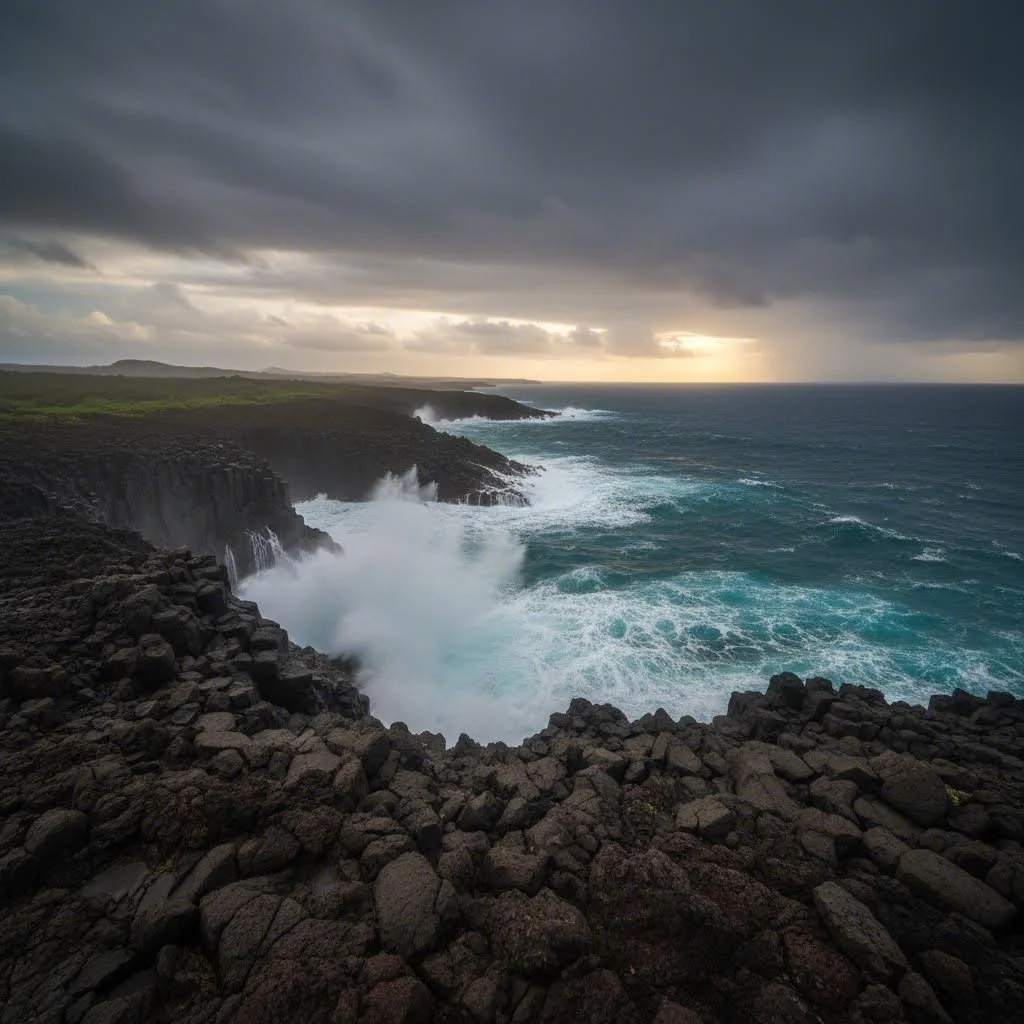
Gris Gris, where there is no protective reef and the Indian Ocean crashes dramatically against black basalt cliffs
Culture & Vibes
Along the south coast, the reef disappears in places and the Indian Ocean crashes against black basalt cliffs at Gris Gris. Inland, the Bois Chéri tea estate offers tours and tastings with views over the hills, and Grand Bassin (Ganga Talao), a crater lake guarded by a towering statue of Shiva, is the island's most sacred Hindu site.
In the southeast, the historic fishing town of Mahébourg has a lively Monday market, and the protected waters of Blue Bay Marine Park offer some of the island's best snorkelling. Just offshore, Île aux Aigrettes, a nature reserve run by the Mauritian Wildlife Foundation, is home to pink pigeons, giant Aldabra tortoises and rare native forest.
Food
Tea-infused dishes at Bois Chéri, street snacks at the Mahébourg market, and elegant Creole-French dining at the historic Château de Bel Ombre.
Experience Snapshot
Barefoot Luxury — Long Beaches, Iconic Resorts & Île aux Cerfs
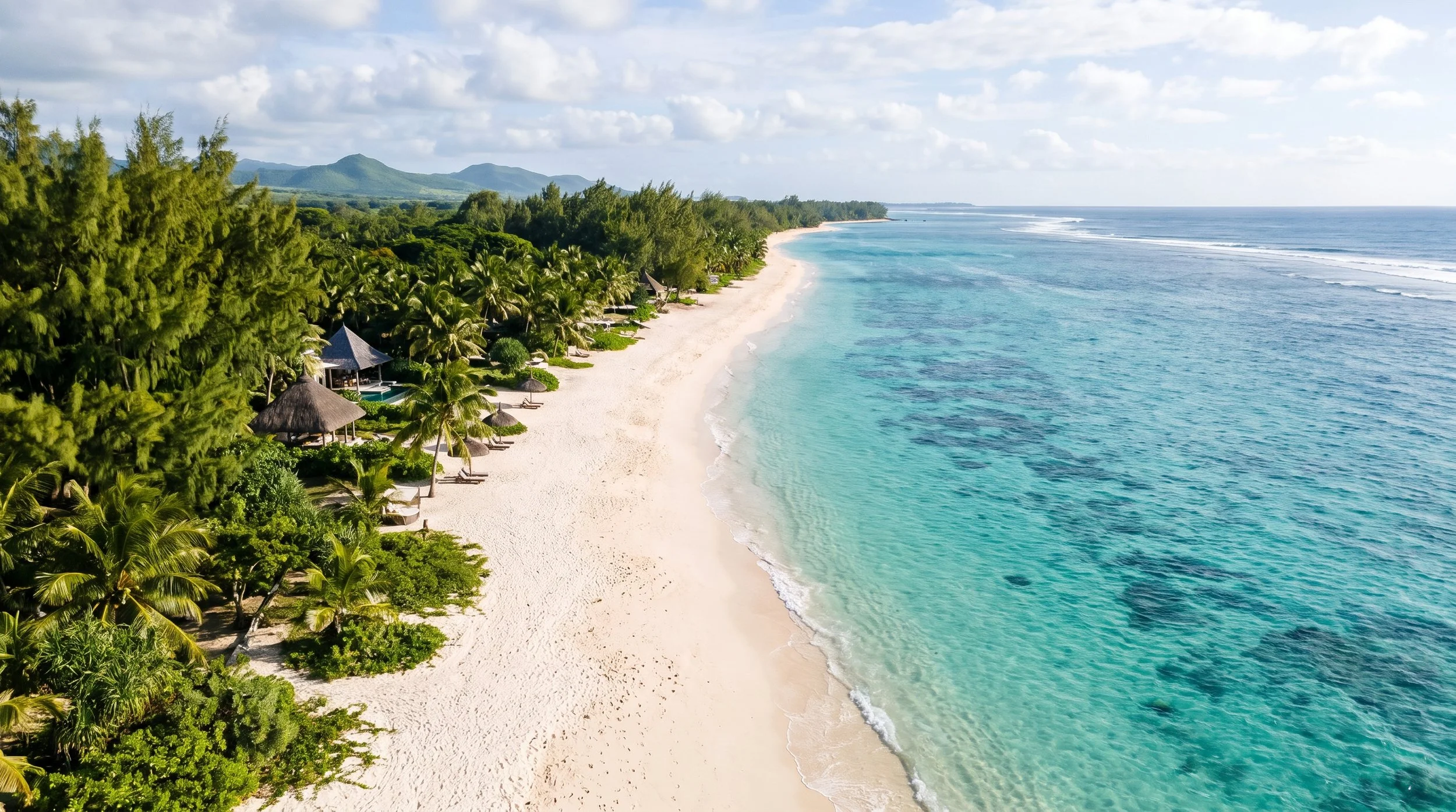
Belle Mare's long white beaches are home to some of the most celebrated resorts in the Indian Ocean
Culture & Vibes
The east coast, from Poste de Flacq to Trou d'Eau Douce, is home to some of the island's longest and most beautiful beaches, with lagoons of incredible clarity. This is where many of the most famous resorts sit, often with their own golf courses, spas and private stretches of sand.
Take a speedboat from Trou d'Eau Douce to Île aux Cerfs, an island of white sand, turquoise water and a championship golf course, often stopping at the Grand River South East waterfall on the way. Kayak through mangroves, play a round at Anahita or Île aux Cerfs, or simply settle into a lounger.
Food
Resort dining here is exceptional, from barefoot beach lunches to fine dining — including Le Barachois, the floating restaurant at Constance Prince Maurice, set on pontoons in a mangrove lagoon.
Experience Snapshot
A catamaran day on the lagoon — the most Mauritian way to spend an afternoon
Getting There & Around
Flights: There are no nonstop flights from the US. Connect through Dubai, Paris, Johannesburg or Istanbul to Sir Seewoosagur Ramgoolam International Airport in the southeast. Mauritius is about four hours from Johannesburg or Nairobi — an easy add-on after safari. On the island: Driving is on the left. Private drivers are the easiest way to explore; the drive from the airport to the north coast takes about an hour and a half.
Visas & Entry
US citizens do not need a visa for tourist stays of up to 90 days. You will need a passport valid for your stay, a return or onward ticket, and proof of accommodation. Confirm current requirements before travel.
Health & Safety
Malaria: There is no malaria risk in Mauritius. Sun and sea: Use reef-safe sunscreen, stay hydrated, and swim only where conditions are calm. Safety: Mauritius is very safe and welcoming. In cyclone season (November–April), follow local guidance and keep plans flexible.
Money & Currency
The currency is the Mauritian Rupee (MUR). Cards are widely accepted; carry cash for markets, street food and tips. Tipping is appreciated but not obligatory.
Culture & Etiquette
Mauritius is proudly multicultural and religiously diverse. Remove your shoes and dress modestly when visiting temples, mosques and churches. Beachwear is for the beach — cover up in towns and in Port Louis. Ask before photographing people.
Suggested Itinerary Combinations
5 days: One resort on the east or southwest coast. 7 days: North coast (3 nights) + Le Morne & the southwest (4). 10 days: Le Morne (4) + the south (2) + the east (4). Safari + beach: Kenya, Tanzania or South Africa safari (4–5 nights) followed by Mauritius (5 nights). Schedule a call and I will build a custom itinerary around your travel style and timeline.
Mauritius was made for slowing down.
Lagoons in impossible shades of blue, a mountain glowing at sunset,
dholl puri warm from the market, séga on the beach under the stars.
Savour every single moment.