
Travel Guide
Italy
Rome | Florence & Tuscany | Milan | Venice
Amalfi Coast | Naples | Puglia | Bologna
Food · Culture · Vibes · Where to Stay, Eat & Explore

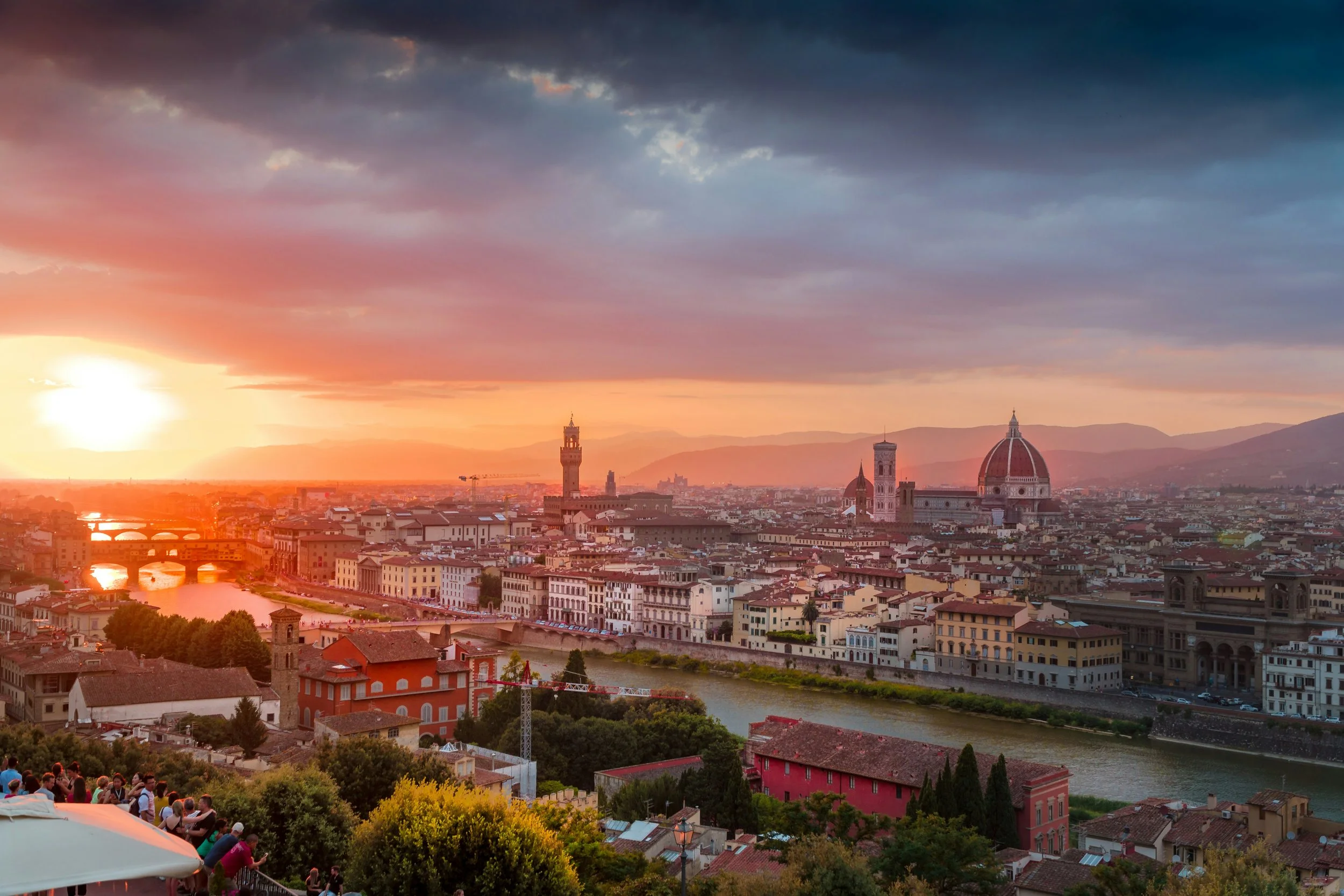
Welcome to Italy
Italy is the country that invented the art of living well. It gave the world the Renaissance, the Roman Empire, opera, espresso, pizza, pasta, and more masterpieces of art and architecture than anywhere else on earth. And yet for all its monumental history, Italy is never stuffy — it is warm, chaotic, loud, beautiful, and deeply, irresistibly human.
This guide takes you through eight extraordinary destinations: the eternal grandeur of Rome, the Renaissance treasure chest of Florence and Tuscany, the razor-sharp style of Milan, the impossible romance of Venice, the sun-scorched drama of the Amalfi Coast, the wild volcanic soul of Naples, the whitewashed simplicity of Puglia, and the quietly brilliant food capital of Bologna.
Best Time to Visit
- Spring (April–June): The golden window. Wildflowers in Tuscany, manageable crowds, warm temperatures. Rome and the Amalfi Coast at their best.
- Autumn (Sept–Oct): Grape harvest season, golden light, fewer tourists, Amalfi still warm enough to swim.
- Summer (July–Aug): Coastal areas electric but packed and hot. Venice and Rome can be overwhelming.
- Winter (Nov–March): Quiet, affordable, and atmospheric. Venice in the fog is hauntingly beautiful.
- Peak tourist season: June–August. Book accommodation months in advance for Venice, the Amalfi Coast, and Tuscany.
- Easter: Rome is spectacular but extremely crowded.
- August (Ferragosto): Many local restaurants and shops close — Italians go on holiday too.
- Shoulder seasons offer the best balance of weather, price, and experience.
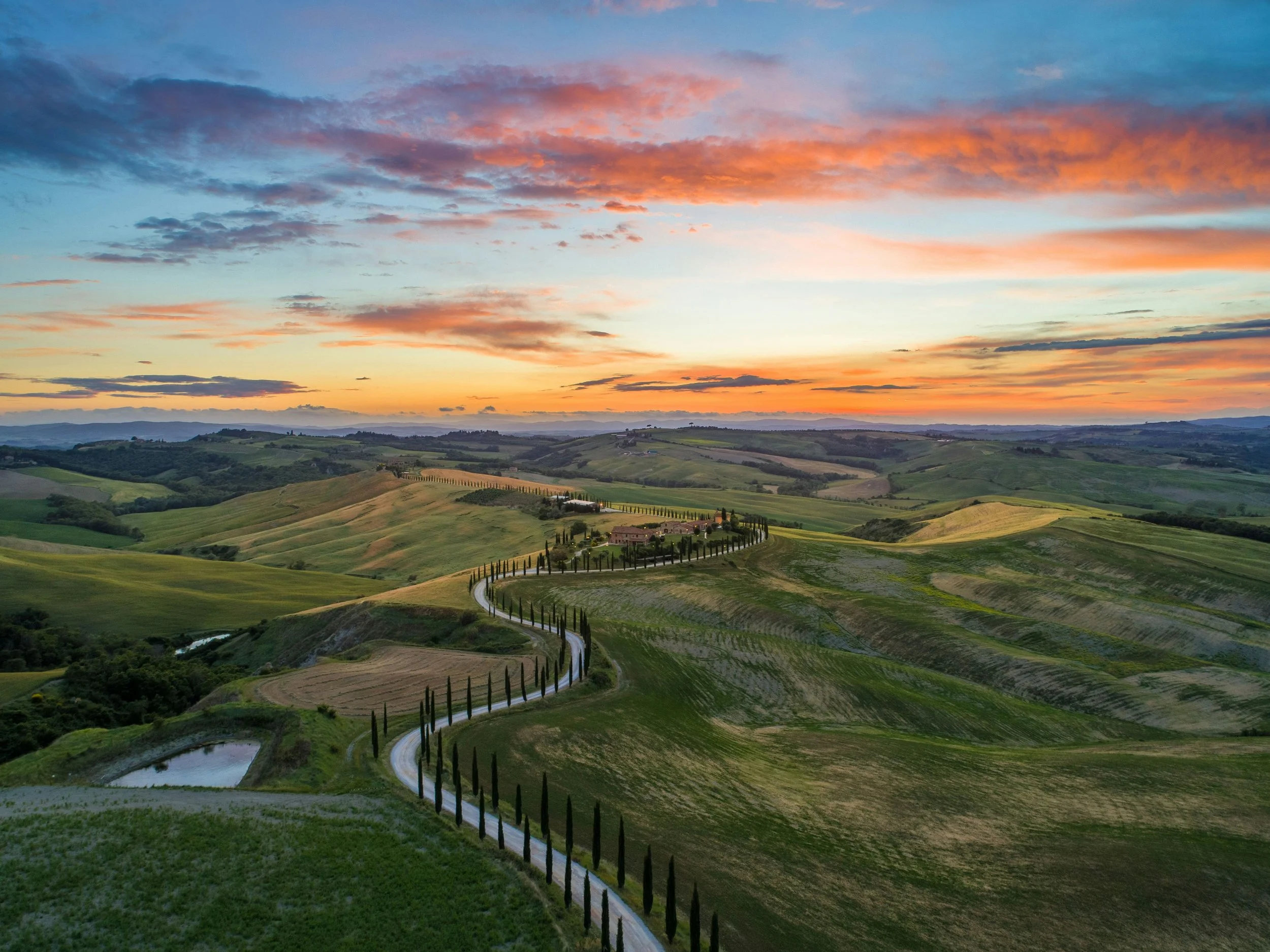
The timeless Italian landscape — rolling hills, ancient vines, and hilltop villages that look painted rather than built
The Eternal City — Three Thousand Years of Everything
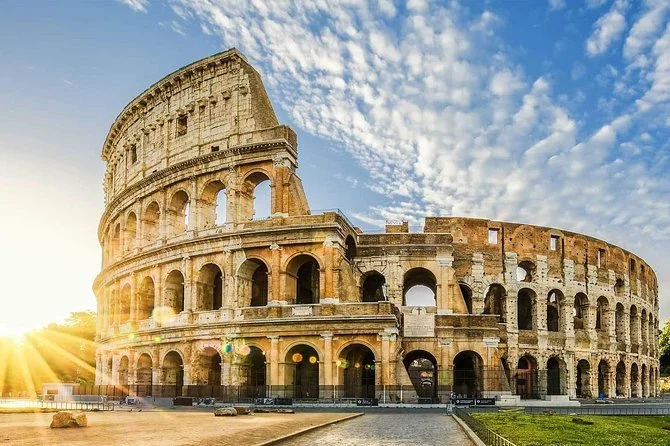
Rome: where every cobblestone has a story and every piazza is a stage
Culture & Vibes
Rome is not a city — it is a civilisation. Nowhere else on earth do you walk through 3,000 years of continuous history so casually: a fountain older than the United States on the corner, a 2,000-year-old temple turned church down the alley, ruins of the Roman Forum used as a shortcut. Romans themselves have long made peace with living inside a living museum, and they carry it with magnificent nonchalance.
The city operates on its own rhythm — late lunches, long passeggiatas at dusk, dinners that begin at 9pm. Each neighbourhood has its own personality: the ancient Forum and Palatine Hill, the chaotic energy of Trastevere, the bohemian Campo de' Fiori, the Vatican's overwhelming grandeur. Scratch the surface of any of them and Rome gives you more than you bargained for.
Food
Must Try: Cacio e pepe (pasta with pecorino and black pepper), carbonara (the real version — guanciale, egg, pecorino, no cream ever), supplì (fried rice balls), artichokes alla giudia (Jewish-style, fried flat and crispy), and a maritozzo (cream-filled brioche bun) for breakfast.
Where to Eat: Avoid anywhere near major tourist sights. The best trattorias are in Testaccio, Pigneto, and Trastevere — family-run, no English menus, paper tablecloths.
Experience Snapshot
The Cradle of the Renaissance — Art, Wine & Golden Hills
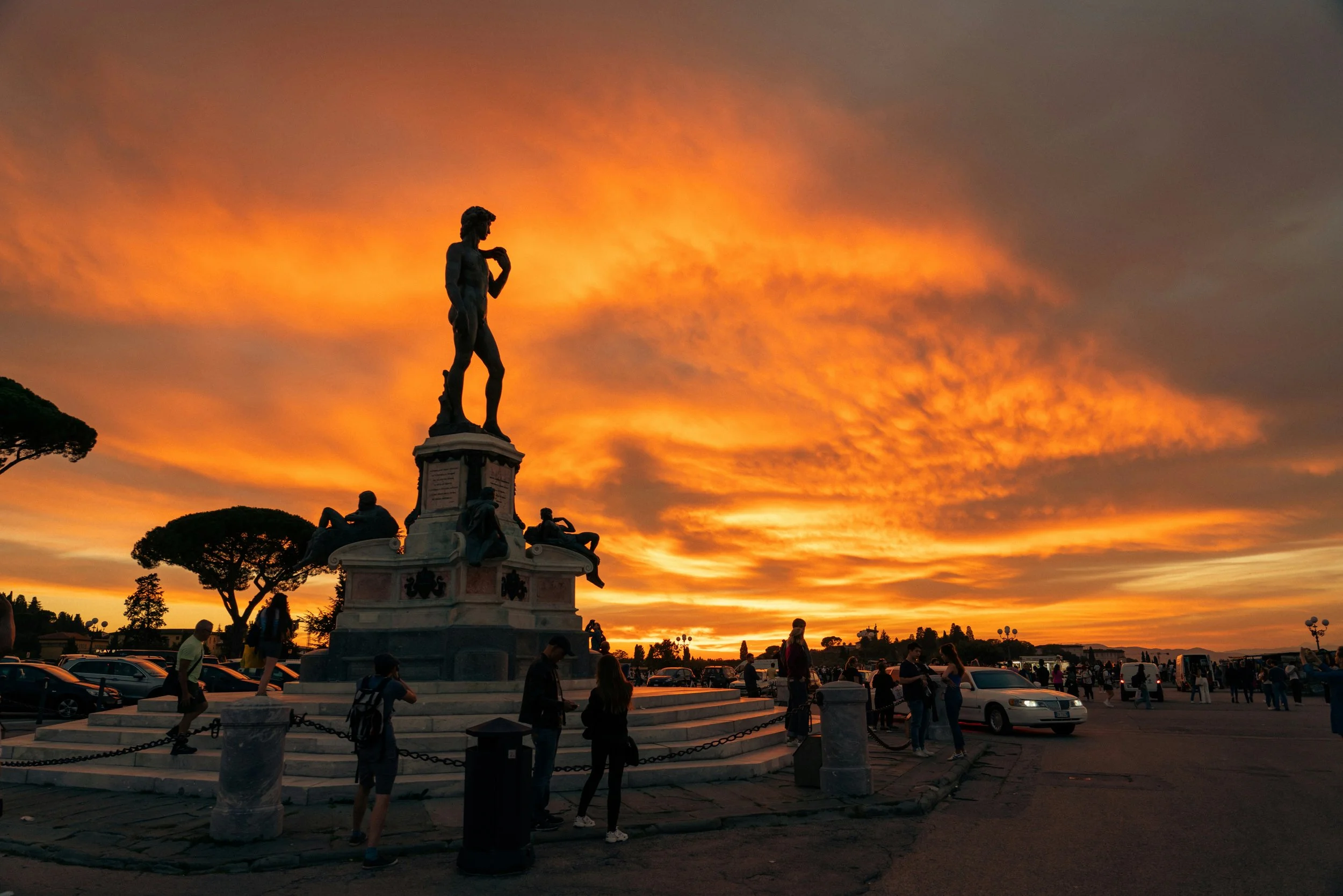
Florence: the city that gave the world the Renaissance, and has been quietly proud of it ever since
Culture & Vibes
Florence is the most art-dense city on the planet. The Uffizi alone contains more masterpieces per square metre than anywhere else in existence — Botticelli's Birth of Venus, Michelangelo's Doni Tondo, Raphael, Leonardo, Caravaggio, all in one building. Add the Accademia (home of David), the Bargello, and dozens of smaller churches each hiding a Giotto fresco or a Donatello relief.
Step outside the city and Tuscany unfolds: rolling hills of olive groves and vineyards, medieval hilltop towns like San Gimignano and Montepulciano, the cypress-lined roads seemingly designed to be photographed. Hiring a car and getting lost in the Val d'Orcia or the Chianti region is one of the great pleasures of Italian travel.
Food
Must Try: Bistecca alla Fiorentina (the T-bone steak — massive, rare, non-negotiable), ribollita (thick bread and vegetable soup), pappardelle al cinghiale (wide pasta with wild boar ragu), lampredotto (tripe sandwich from a street cart), cantucci with Vin Santo for dessert.
Wine: Chianti Classico, Brunello di Montalcino, and Vino Nobile di Montepulciano are the holy trinity. Visit a cantina in the Chianti region and taste direct from the source.
Experience Snapshot
Italy's Capital of Now — Fashion, Design & the Last Supper
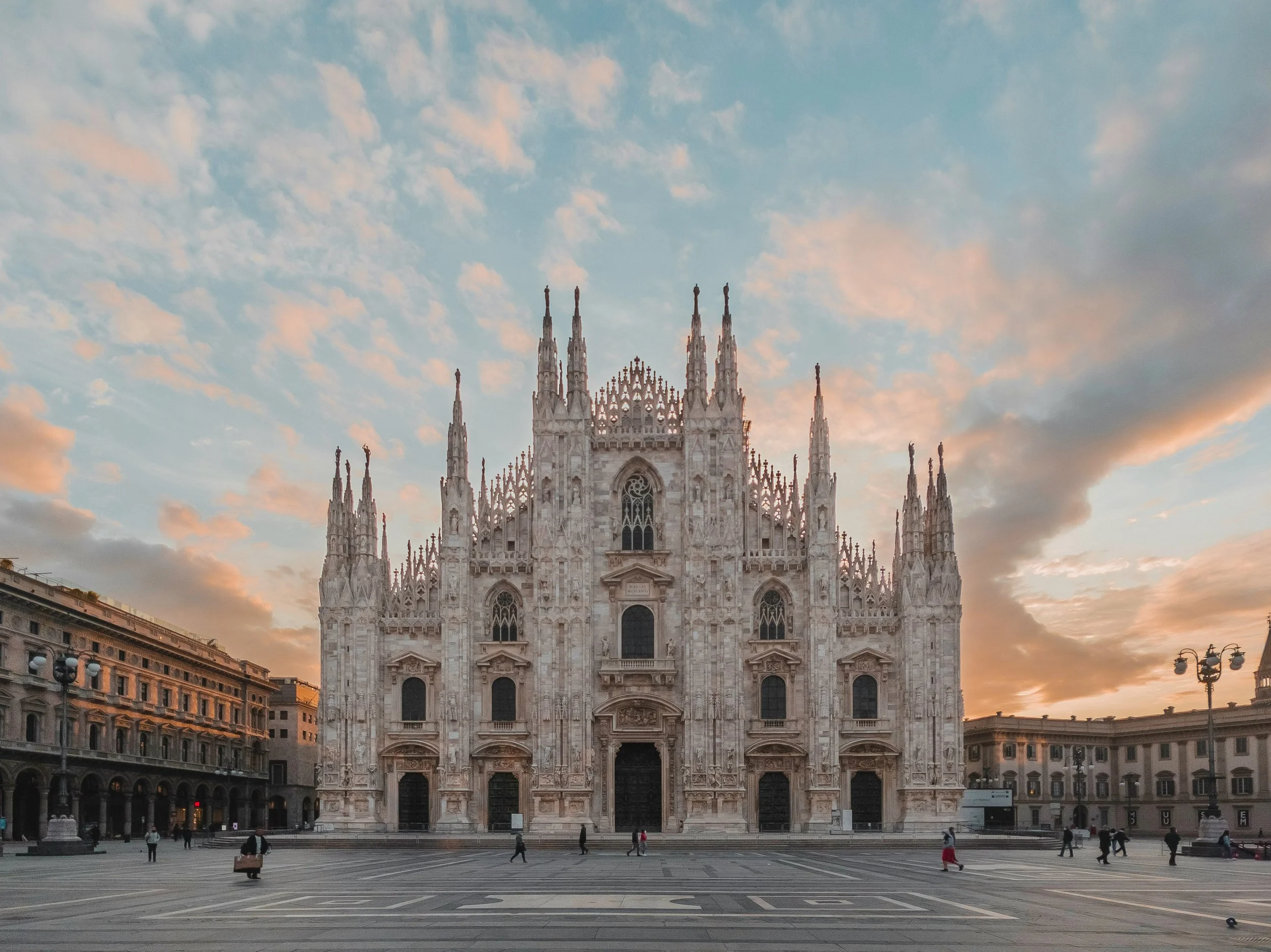
The Duomo di Milano: 600 years in the making, and still the most dramatic thing on any skyline
Culture & Vibes
Milan is the Italy that doesn't care what you think of Italy. While the rest of the country trades on Renaissance art and sun-bleached ruins, Milan is busy designing the future. It is the fashion capital of the world, the design capital of the world, and home to one of the world's most serious football rivalries. It works at a different pace — northern, efficient, purposeful.
And yet: the Duomo is the most extraordinary Gothic cathedral in existence. Leonardo's Last Supper is there. The Brera neighbourhood has the galleries and aperitivo bars and beautiful people. The Navigli canal district comes alive at night. Milan rewards those who look beyond the fashion windows.
Food
Must Try: Risotto alla Milanese (saffron risotto, deep gold, extraordinary), cotoletta alla Milanese (breaded veal — the original schnitzel), ossobuco (braised veal shank with gremolata), panettone (from a bakery, not a supermarket box).
Aperitivo Culture: From 6–9pm, bar counters become lavish free buffets when you buy a drink. The Navigli and Brera districts are the best hunting grounds.
Experience Snapshot
The Floating City — Impossible, Improbable, Unforgettable
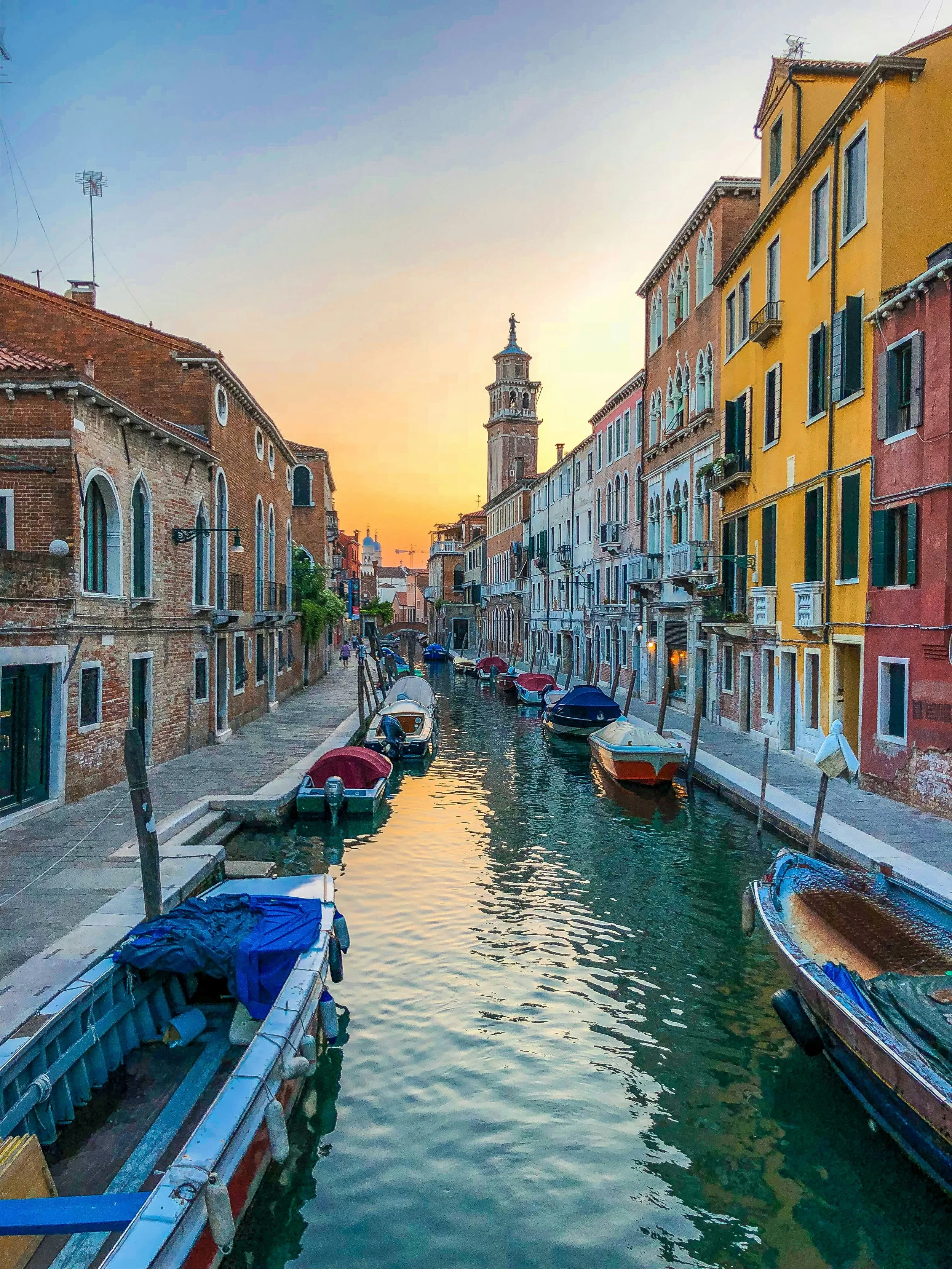
Venice: a city built on water, on improbable faith, and on the conviction that beauty justifies everything
Culture & Vibes
Venice should not exist. 118 islands connected by 400 bridges, built on wooden piles driven into a lagoon, the greatest trading empire of the medieval world condensed into a city with no cars, no roads, and no logic. And yet here it is. The Grand Canal at dawn with the mist still on the water is one of the defining images of European civilisation.
The key to Venice is getting away from San Marco. Take the vaporetto to the quieter sestieri — Cannaregio, Castello, Dorsoduro — where the tourist tide recedes and you find real Venetian life: laundry strung between buildings, locals at the Rialto market, children playing in a campo. Stay at least two nights, and walk until you are magnificently lost.
Food
Must Try: Sarde in saor (sweet-and-sour sardines — a medieval recipe still perfect), risi e bisi (rice and peas), bigoli in salsa (thick pasta with anchovy and onion), cicchetti (Venetian tapas at bacaros with an ombra of local wine), and tiramisu — invented in the Veneto region.
Bacaro Crawl: Hop between small wine bars in Cannaregio or near the Rialto, ordering cicchetti and a glass of prosecco or Soave at each stop. This is the best way to eat in Venice.
Experience Snapshot
The Divine Coastline — Cliffs, Lemons & Mediterranean Magic
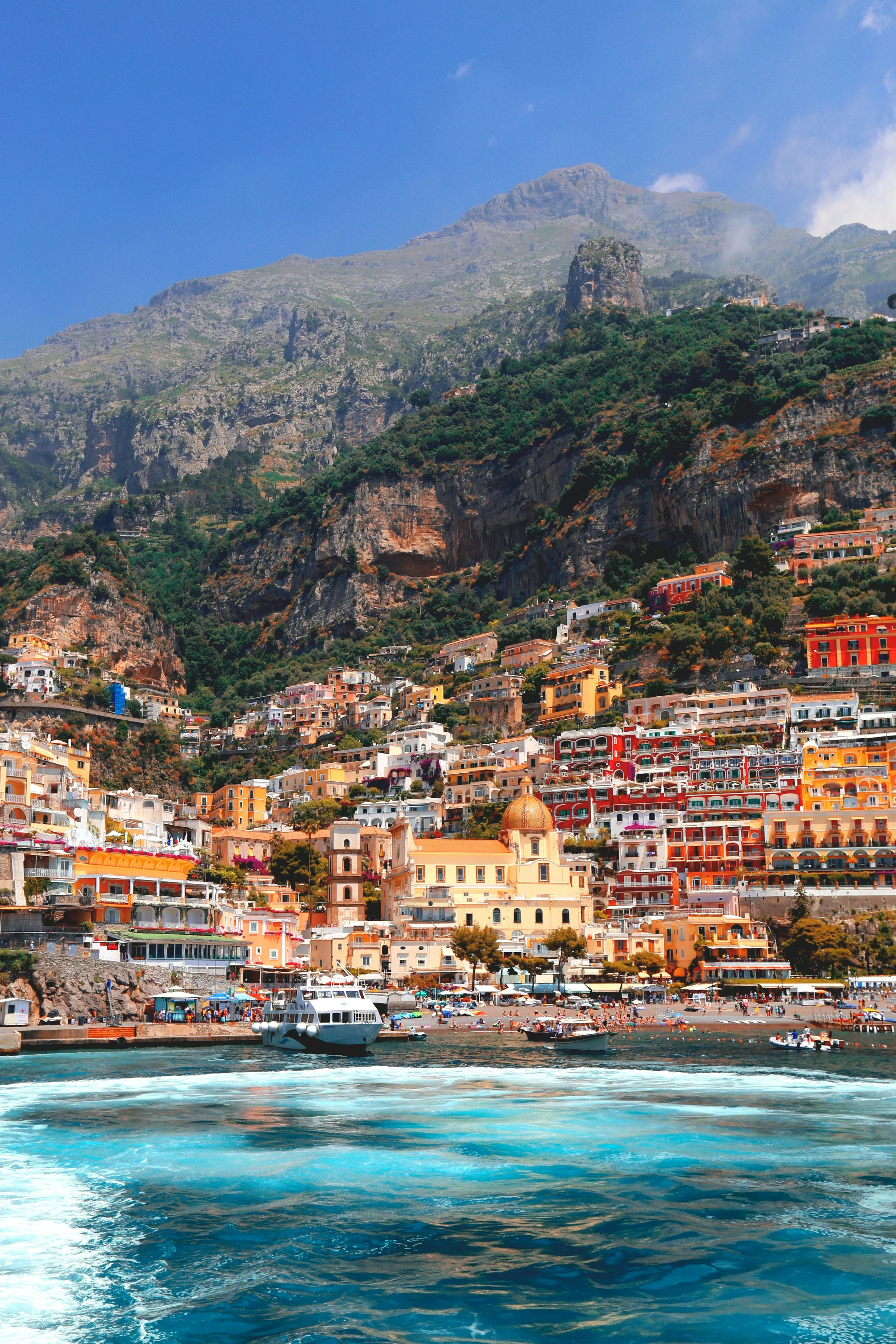
The Amalfi Coast: where the mountains meet the sea in the most dramatic fashion Italy can manage — and Italy always manages dramatically
Culture & Vibes
The Amalfi Coast is one of the world's most spectacular stretches of road — 50 kilometres of vertiginous cliffs, pastel-coloured villages clinging to rock faces, terraced lemon groves tumbling down to an impossibly blue Tyrrhenian Sea. It is the Italy of the imagination: Sophia Loren on a boat, Jackie Kennedy stepping off a yacht, Gore Vidal writing at a terrace table.
Positano is the glamour capital — steep, beautiful, expensive, and worth it. Ravello sits high above the sea with its Villa Cimbrone gardens. The entire coast is best explored by boat — hire one for a day and see the cliffs from the water, stopping at sea caves and hidden coves the road cannot reach.
Food
Must Try: Scialatielli ai frutti di mare (local fresh pasta with seafood), grilled whole fish with lemon and capers, mozzarella di bufala, sfogliatella and pastiera (Neapolitan pastries), and limoncello made from the giant Sfusato Amalfitano lemons — served ice-cold, lip-puckering, perfect.
Lemon Everything: The Amalfi lemon is a UNESCO-protected product. You will find it in pasta, salads, desserts, cocktails, and the best limoncello you will ever taste.
Experience Snapshot
The Untamed South — Pizza, Pompeii & Pure Neapolitan Spirit
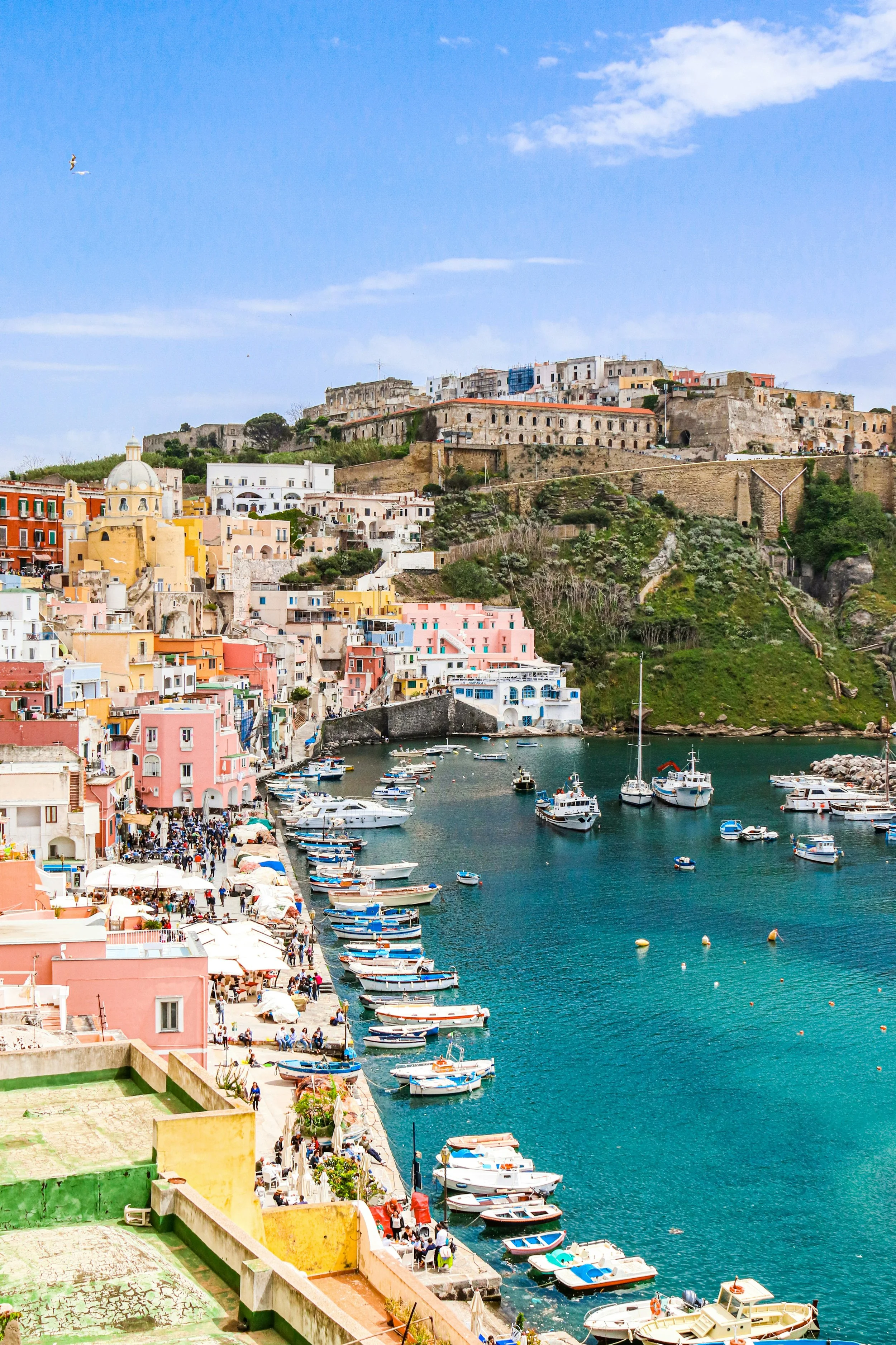
Naples: chaotic, magnificent, and more alive per square metre than anywhere else in Italy
Culture & Vibes
Naples is not for the faint of heart, and that is precisely what makes it magnificent. The historic centre — a UNESCO World Heritage site — is a dense grid of narrow streets (Spaccanapoli literally means 'Naples splitter') where baroque churches give way to crumbling palazzi, street shrines, motorbike repair shops, and the world's most sublime pizza ovens.
Naples sits under Vesuvius and has always lived accordingly — with a particular intensity, a fatalism dressed up as joy, and a hospitality so overwhelming it can feel like an ambush. It is also the base for Pompeii (40 minutes by train) and the island of Capri (45 minutes by hydrofoil).
Food
Must Try: Pizza Margherita at Pizzeria Da Michele or Sorbillo (arrive early, expect a queue, completely worth it), pizza fritta (deep-fried pizza), sfogliatella riccia (shell-shaped pastry, crisp and flaky), ragù Napoletano (meat sauce cooked for six hours, served with rigatoni), and cuoppo (paper cone of fried seafood) on the street.
Pompeii — A Full Day Trip
Forty minutes by Circumvesuviana train from Naples, Pompeii is one of the most extraordinary archaeological sites in the world. The 79 AD eruption of Vesuvius preserved a complete Roman city in volcanic ash — streets, houses, bakeries, brothels, and gardens intact. Allow a full day. Bring water and comfortable shoes. It is larger and more affecting than you expect.
Experience Snapshot
The Heel of the Boot — Whitewashed Towns, Trulli & Endless Coastline
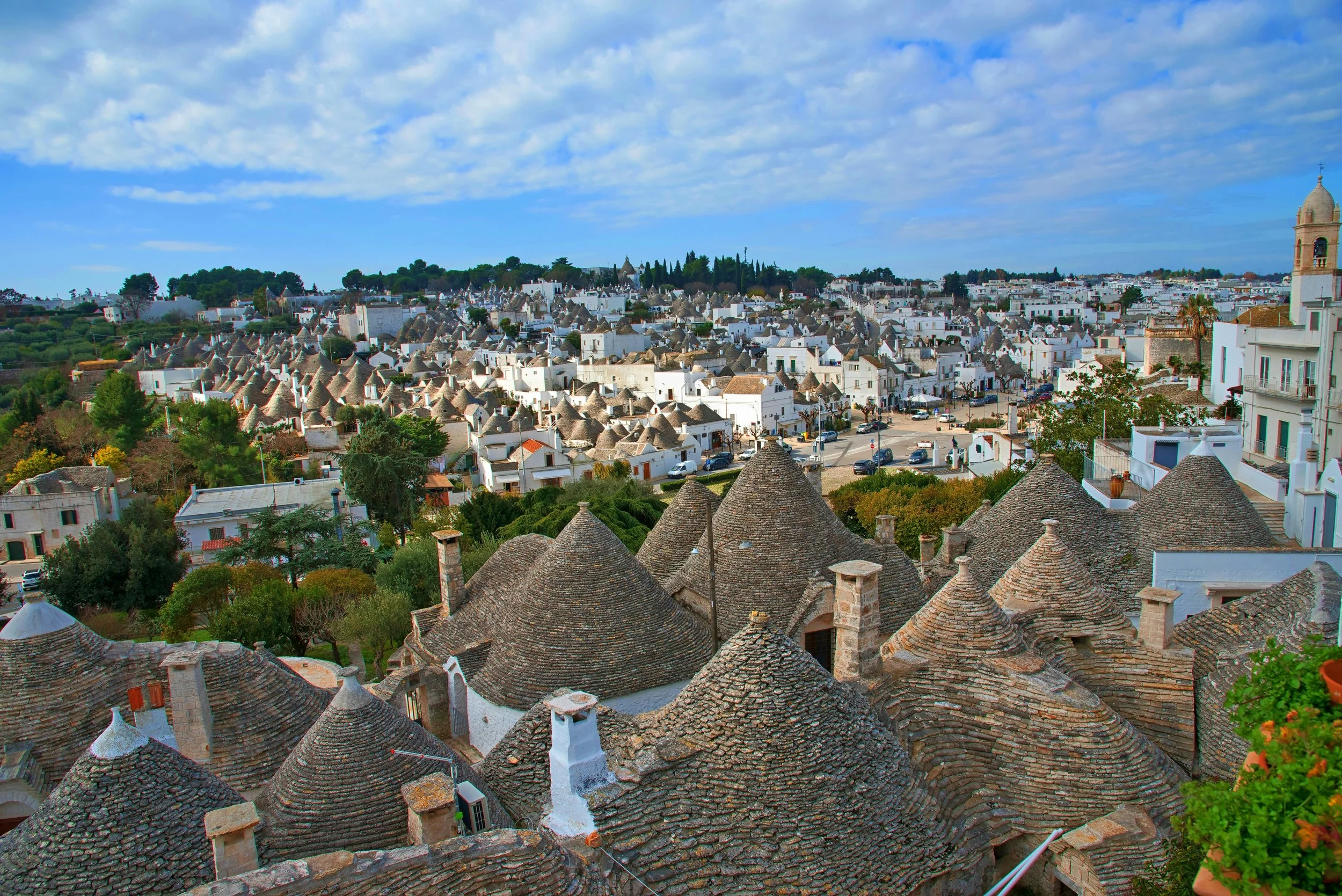
Puglia: cone-roofed trulli, whitewashed hill towns, and a coastline that rivals anything further north
Culture & Vibes
Puglia is the Italy that other Italians go on holiday to. Stretching down the heel of the boot between the Adriatic and Ionian seas, it trades hillside grandeur for flat, sun-bleached simplicity — silvery olive groves running to the horizon, dry-stone walls, and towns painted almost entirely in white or terracotta. Alberobello's trulli — whitewashed conical-roofed houses found nowhere else on earth — look like something out of a fairytale and are a UNESCO World Heritage site for good reason.
Baroque Lecce, nicknamed the "Florence of the South," is carved almost entirely from a soft golden local stone into extraordinary ornamental facades. Ostuni's Città Bianca tumbles down its hill in dazzling white. And the coastline — from the cliffs of Polignano a Mare to the crystalline coves of the Salento peninsula — is as beautiful as the Amalfi Coast, at a fraction of the price and with none of the crowds.
Food
Must Try: Orecchiette con cime di rapa ("little ears" pasta with bitter turnip tops, the region's signature dish), burrata (born in Andria — eat it here and nowhere will compare again), taralli (crunchy little rings, the local snack), fave e cicoria (creamy fava bean purée with wild chicory), focaccia Barese (olive oil, tomato, and oregano), and a pasticciotto (custard-filled pastry) from Lecce for breakfast.
Wine: Primitivo and Negroamaro are Puglia's own red grapes — bold, sun-ripened, and made for long outdoor lunches. Look for bottles from Manduria and the Salento.
Experience Snapshot
La Grassa, La Rossa, La Dotta — Italy's Best-Kept Secret
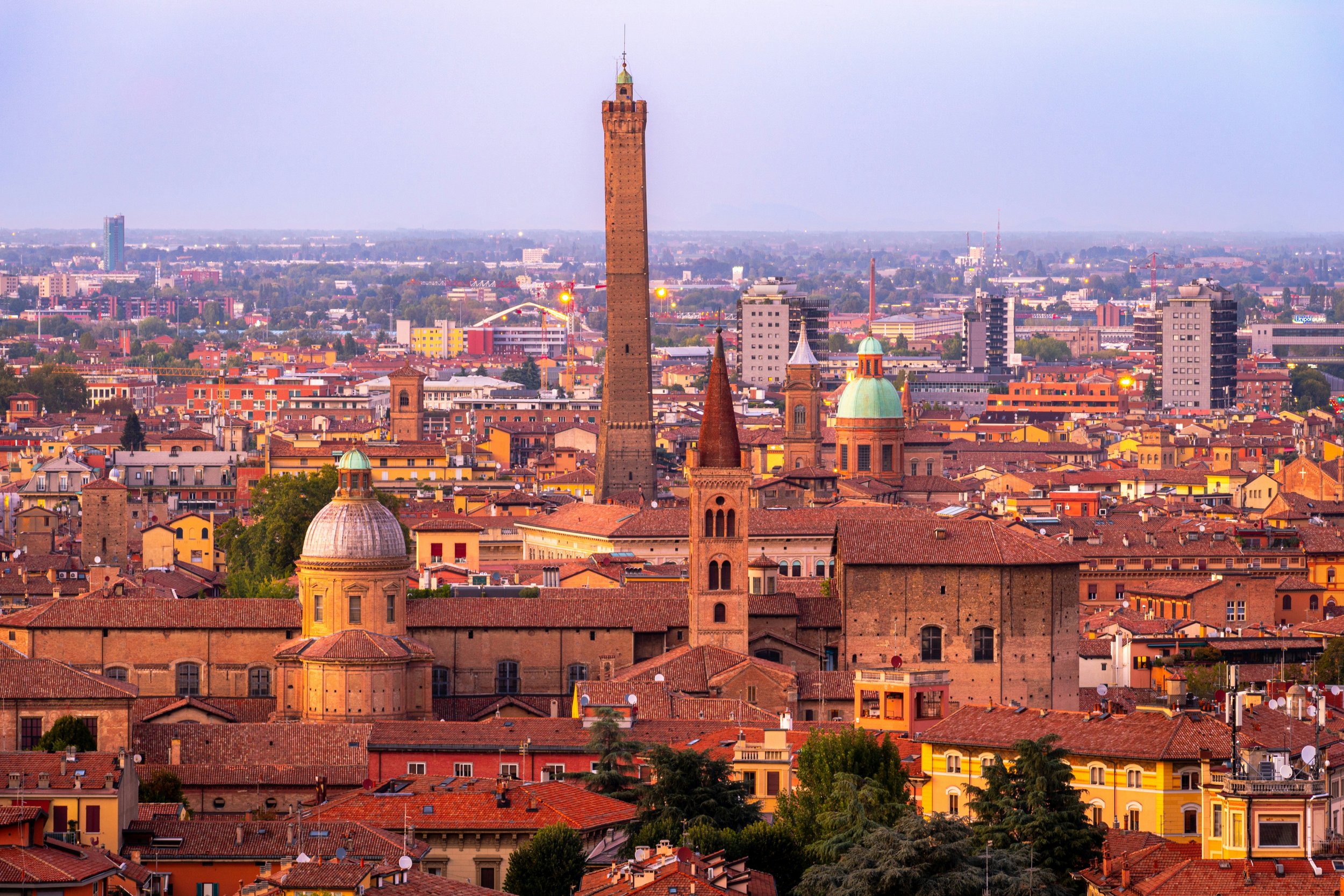
Bologna: city of porticos, politics, pasta, and the oldest university in the world — and the finest eating in Italy
Culture & Vibes
Bologna has three nicknames: La Grassa (the fat one — for its food), La Rossa (the red one — for its terracotta rooftops and historically left-wing politics), and La Dotta (the learned one — for the University of Bologna, founded in 1088 and the oldest in the Western world). Any of these alone would make it worth visiting. Together they make it one of Italy's most complete and undervisited cities.
The city's 38 kilometres of medieval porticos — recently awarded UNESCO World Heritage status — mean you can walk the entire historic centre in the rain without getting wet. The Quadrilatero food market is one of the great food markets of Europe. Bologna rewards slow travel and deep eating.
Food
Bologna is, by almost universal agreement, the finest place to eat in Italy. Emilia-Romagna produces Parmigiano-Reggiano, Prosciutto di Parma, Mortadella, balsamic vinegar of Modena, and the original Bolognese sauce — which contains no spaghetti. It is served with tagliatelle. Always.
Must Try: Tagliatelle al ragu (the real Bolognese — a slow meat sauce of beef, pork, wine, and milk on fresh egg pasta), tortellini in brodo (tiny stuffed pasta in rich capon broth — the city's soul food), mortadella (the original, perfumed with pistachio), crescentine fritte (fried dough pillows with salumi and cheese).
Day Trip: Modena
40 minutes by train from Bologna. Home to the world's finest aceto balsamico tradizionale (aged 12–25 years in wooden barrels), the Ferrari Museum in nearby Maranello, and Osteria Francescana — Massimo Bottura's three-Michelin-star restaurant, repeatedly named the world's best. Book months ahead, or simply explore the city's extraordinary food culture at the market and local trattorias.
Experience Snapshot
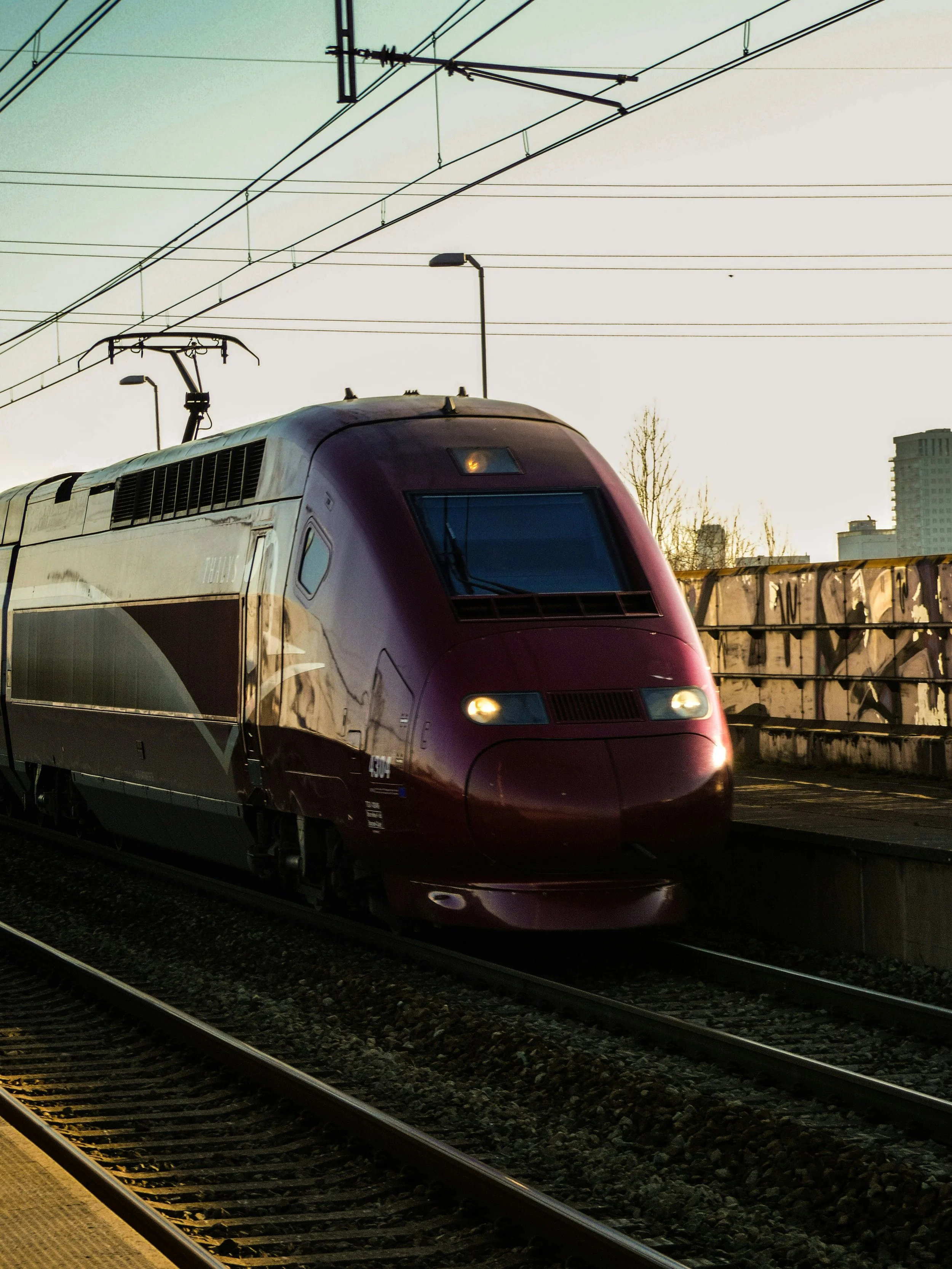
Italy is best explored slowly — the train between cities is half the pleasure
Getting Around
Italy's high-speed rail network (Trenitalia Frecciarossa and Italo) connects Rome, Florence, Milan, Venice, Naples, and Bologna in comfort and style. Rome–Florence takes 1.5 hours; Milan–Venice around 2.5 hours. Book ahead online for the best prices. For the Amalfi Coast, hire a driver or use the SITA bus from Salerno or Sorrento. Puglia is reached via Frecciarossa to Bari or Lecce (around 4 hours from Rome, or a short flight) — but once there, a rental car is essential for hopping between the trulli, the coast, and the whitewashed towns.
Language & Money
Italian is the language everywhere — even a few words (buongiorno, grazie, per favore, il conto per favore) are met with warmth. The euro (EUR) is the currency. Tipping is appreciated but not obligatory. Note the coperto (cover charge) on restaurant bills — this is standard, not a scam.
Etiquette
Dress modestly when visiting churches — shoulders and knees covered, no shorts at major basilicas. Lunch is sacred: 1–3pm, take your time. Dinner does not begin before 8pm. Espresso is drunk standing at the bar in under two minutes. Order a cappuccino after 11am if you want one — just do it with confidence.
Safety
Italy is very safe for travellers. The main concern in Rome, Naples, and Florence is pickpocketing in crowded tourist areas — keep bags in front of you and be alert in markets and on public transport. Naples has an undeserved reputation for danger; the historic centre is perfectly safe for aware visitors.
Italy does not ask you to understand it.
It asks you to eat well, walk slowly, and let the beauty do the rest.
Everything else — the art, the history, the chaos — is just context.